

1. Module Title: Introduction to Hospitality and Tourism industry
2. Brief description of aims and content
The module aims at impacting knowledge to the learner on the core concepts of hospitality and tourism industry that will help the students understand the link between the two.
Learning Outcomes
Knowledge and Understanding
Having successfully completed the module, students should be able to demonstrate knowledge and understanding of:
i The history and development of the hospitality and Tourism and its linkage.
ii Quality parameters used in rating the service standard quality in hospitality and tourism.
iii The current issues and future trends in hospitality and tourism
Cognitive/Intellectual skills/Application of Knowledge
Having successfully completed the module, students should be able to:
i. Classify different types of hospitality outlet
ii. Apply the knowledge gained in explaining the relationship between hospitality and tourism industry
iii. Contrast between hospitality and tourism industry
Communication/ICT/Numeracy/Analytic Techniques/Practical Skills
Having successfully completed the module, students should be able to:
- Demonstrate skills in classifying different sectors of tourism and hospitality.
- Evaluate the roles played by the hospitality and tourism industry
General transferable skills
Having successfully completed the module, students should be able to:
- Use knowledge gained to analyze the impact of tourism in economic, social, technological and cultural development
- Teacher: Ernest SAFARI

- Teacher: INNOCENT IRANKUNDA

This course introduces students to the fundamental concepts of Information and Communication Technology (ICT). Students will explore computer systems, operating systems, networking fundamentals, internet technologies, cybersecurity principles, cloud computing, and emerging digital technologies. The course combines theoretical knowledge with practical activities to develop essential digital skills required in academic and professional environments.
- Teacher: INNOCENT IRANKUNDA

Kozi hii inalenga kuwapatia wanafunzi ujuzi na maarifa muhimu katika uandishi na uhariri wa habari kwa ajili ya vyombo vya habari vya kisasa. Inawafundisha misingi ya uandishi wa habari ikiwemo usahihi, uwazi, usawa, na kutokuwa na upendeleo katika kuripoti habari. Wanafunzi watajifunza jinsi ya kukusanya, kuthibitisha, na kupanga taarifa ili kuandika habari zilizo bora na zenye mvuto kwa magazeti, redio, televisheni, na majukwaa ya kidijitali.
- Teacher: Emmanuel NGEZAHAYO S
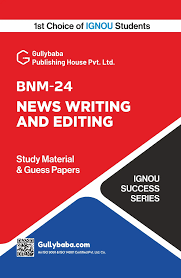
This course provides students with the essential skills and knowledge required for effective news writing and editing in the modern media environment. It introduces the principles of journalism, emphasizing accuracy, clarity, fairness, and objectivity in news reporting. Students learn how to gather, verify, and organize information to produce well-structured news stories suitable for print, broadcast, and online platforms.
- Teacher: Solange UMURERWA

This course provides students with practical and theoretical knowledge of radio production, focusing on the key stages of planning, creating, and broadcasting audio content. Students will learn how to develop radio programs, write scripts, operate recording and editing equipment, and apply techniques for voice delivery, sound mixing, and live or pre-recorded broadcasting. The course also explores radio formats, audience engagement strategies, media ethics, and the role of radio in society. Through hands-on projects and studio sessions, students will gain the technical skills and creative confidence needed to produce professional-quality radio content.
- Teacher: Richard Dani IRAGUHA


This course provides students with practical and theoretical knowledge of radio production, focusing on the key stages of planning, creating, and broadcasting audio content. Students will learn how to develop radio programs, write scripts, operate recording and editing equipment, and apply techniques for voice delivery, sound mixing, and live or pre-recorded broadcasting. The course also explores radio formats, audience engagement strategies, media ethics, and the role of radio in society. Through hands-on projects and studio sessions, students will gain the technical skills and creative confidence needed to produce professional-quality radio content.
Objectives:
- To introduce students to the fundamentals of radio broadcasting and audio production.
- To develop practical skills in scriptwriting, audio recording, editing, and mixing.
- To explore various radio formats and programming styles (news, talk shows, music, features, etc.).
- To enhance voice performance, interviewing techniques, and on-air presentation.
- To promote an understanding of media ethics, audience engagement, and regulatory guidelines in radio.
- To encourage creativity and teamwork in developing original radio content.
Learning Outcomes:
- Describe the structure, function, and impact of radio as a medium of mass communication.
- Plan and produce different types of radio programs using industry-standard tools and techniques.
- Write clear, engaging radio scripts tailored to various formats and audiences.
- Operate audio equipment for recording, editing, and broadcasting content.
- Demonstrate effective voice delivery, interviewing skills, and live presentation techniques.
- Apply ethical principles and follow broadcasting laws and regulations in radio production.
Course Code: BMAC 1303
Academic Year 2024-2025
Lecturer: Landuard MUGYEMA
- Teacher: content creator

Description:
The Media Law module provides an in-depth understanding of the legal principles, regulations, and ethical considerations that govern the media industry. It explores the legal rights and responsibilities of journalists, broadcasters, content creators, and media organizations, emphasizing the balance between freedom of expression and legal accountability.
This module covers key areas such as freedom of the press, defamation, privacy laws, copyright, intellectual property, media regulations, and ethical considerations in journalism and broadcasting. It also examines the role of government agencies and regulatory bodies in enforcing media laws and ensuring responsible journalism.
Through case studies, legal frameworks, and real-world scenarios, students will develop a strong foundation in media law and ethics, equipping them to navigate legal challenges in traditional and digital media landscapes.
Key Topics Covered:
-
Introduction to Media Law – The role and importance of legal frameworks in media and communication.
-
Freedom of the Press and Expression – Legal protections and limitations on speech and media content.
-
Defamation and Libel Laws – Understanding false statements, reputation damage, and legal consequences.
-
Privacy and Data Protection Laws – Rights of individuals versus public interest reporting.
-
Copyright and Intellectual Property – Media ownership, licensing, and fair use in content creation.
-
Media Regulations and Censorship – Government policies and regulatory bodies overseeing media practices.
-
Ethical Considerations in Media – Professional standards, journalistic integrity, and responsible reporting.
-
Digital Media and Cyber Laws – Online publishing, social media regulations, and digital content rights.
-
Case Studies in Media Law – Landmark legal cases and their impact on media practices.
By the end of this module, students will be able to analyze legal issues in media, apply ethical principles in journalism and broadcasting, and ensure compliance with media laws and regulations. This knowledge is essential for careers in journalism, public relations, broadcasting, content creation, and media management.
Course code: BMAC 1302
Course credit: 10
Pre-requisites: None
Academic year: 2024-2025
Lecturer:
Course Objectives:
By the end of this module, students should be able to:
-
Understand the Fundamental Principles of Media Law – Define media law and its significance in journalism, broadcasting, and digital media.
-
Explain Freedom of Expression and Press Rights – Analyze the legal protections and limitations on free speech in media.
-
Identify Laws Governing Defamation and Libel – Understand legal consequences related to false statements, reputation damage, and slander.
-
Examine Privacy and Data Protection Laws – Assess how privacy rights and media reporting intersect in different legal contexts.
-
Apply Copyright and Intellectual Property Laws – Recognize legal frameworks related to media ownership, content licensing, and fair use.
-
Analyze Media Regulations and Censorship – Understand the role of government agencies and regulatory bodies in overseeing media practices.
-
Evaluate Ethical Considerations in Media – Explore professional responsibilities, journalistic integrity, and ethical challenges in media reporting.
-
Understand Digital Media and Cyber Laws – Examine legal concerns related to online publishing, social media, and digital content rights.
-
Interpret Landmark Legal Cases in Media Law – Study real-world examples of legal battles that have shaped media regulations.
-
Apply Media Law Knowledge in Professional Contexts – Equip students with the ability to make legally sound decisions in journalism, public relations, and content creation.
This module aims to provide students with a comprehensive understanding of legal and ethical issues in media, ensuring they can navigate the complex legal landscape of the media industry responsibly and professionally.
Learning Outcomes:
By the end of this module, students will be able to:
-
Demonstrate Knowledge of Media Law Principles – Explain key legal concepts and frameworks governing media practices.
-
Analyze Freedom of Expression and Press Laws – Evaluate the rights and limitations of journalists and media organizations under various legal systems.
-
Identify and Address Legal Issues in Media Content – Recognize potential legal risks such as defamation, invasion of privacy, and intellectual property violations.
-
Apply Copyright and Intellectual Property Laws – Understand how copyright, trademarks, and fair use apply to media production and distribution.
-
Assess the Role of Government and Regulatory Bodies – Explain the impact of media regulations and censorship on journalism, broadcasting, and digital content.
-
Demonstrate Ethical Decision-Making in Media – Apply ethical standards and professional codes of conduct in media-related situations.
-
Understand Privacy and Data Protection Laws – Explain legal frameworks surrounding personal data, surveillance, and media reporting.
-
Interpret and Analyze Landmark Media Law Cases – Critically examine case studies that have shaped media law and regulations.
-
Evaluate Digital Media and Cyber Laws – Analyze the impact of internet laws, social media regulations, and online content policies on media practices.
-
Apply Legal Knowledge in Real-World Media Scenarios – Make informed decisions regarding legal compliance and ethical responsibility in journalism, broadcasting, and content creation.
This module equips students with a strong foundation in media law and ethics, ensuring they can operate legally and ethically in various media-related professions.
- Teacher: Zuhura Wambui

A media management course provides students with a comprehensive understanding of the strategic and operational aspects of the media industry, encompassing areas like content production, marketing, finance, and distribution across various platforms. It equips individuals with the skills to navigate the dynamic media landscape, manage resources effectively, and adapt to evolving technologies and market trends, preparing them for roles in media organizations.
Objectives:
- To introduce students to the principles and practices of managing media organizations in today’s dynamic environment.
- To understand the structure, functions, and operations of different media businesses (broadcast, print, digital, etc.).
- To explore strategic planning, marketing, budgeting, and human resource management in media contexts.
- To examine the impact of technology, convergence, and globalization on media management.
- To develop leadership, decision-making, and problem-solving skills relevant to media industry operations.
Learning Outcomes:
By the end of the course, students will be able to:
Explain the key functions and roles involved in managing media organizations.
-
Analyze the internal and external factors that influence media business decisions.
-
Apply management theories and tools to solve real-world media industry challenges.
-
Develop strategic plans for media enterprises, including marketing, content, and financial strategies.
-
Evaluate the role of leadership and ethics in media management practices.
-
Use analytical and creative thinking to manage change, innovation, and digital transformation in media.
Academic Year 2024-2025
Lecturer: Albert Fils NZAYURUGO
- Teacher: content creator