
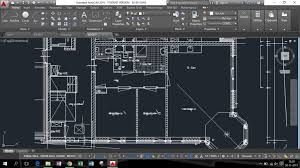
Course Information
Course Name: Computer Aided, Technical Drawing and Design II
Course Code: BIAD 1305
Programme: Industrial Art and Design
Academic Year: 2025–2026
Course Lecturer: Paul
Credits: 10
Hours: ____________________
Level/Semester: Year I – Trimester III
Delivery Mode: Face-to-face lectures, computer laboratory practical sessions, technical drawing studio workshops, classroom discussions, demonstrations, presentations, project-based learning, and Moodle Learning Management System (LMS) support.
Course Overview
This course builds upon the knowledge and skills acquired in Computer Aided, Technical Drawing and Design I (BIAD 1203) by introducing advanced technical drawing concepts and computer-aided design (CAD) applications. Students will develop proficiency in producing accurate technical drawings, engineering graphics, and industrial design layouts using both manual drafting techniques and CAD software. The course covers advanced orthographic projection, sectional views, auxiliary views, dimensioning standards, assembly drawings, and introductory three-dimensional (3D) modelling. Emphasis is placed on precision, professional drawing standards, creativity, and effective visual communication in industrial design.
Learning Objectives
Upon successful completion of this course, students should be able to:
- Apply advanced principles and standards of technical drawing.
- Produce complex engineering and industrial design drawings using manual and CAD techniques.
- Apply orthographic projection, sectional views, auxiliary views, and assembly drawing methods.
- Use computer-aided design (CAD) software to produce professional-quality technical drawings.
- Develop introductory 3D models using CAD applications.
- Interpret and communicate technical information using standard drawing conventions.
- Demonstrate precision, accuracy, and professionalism in technical drafting.
Learning Outcomes
By the end of this course, learners will be able to:
- Prepare professional technical drawings using international drafting standards.
- Produce detailed orthographic, sectional, auxiliary, and assembly drawings.
- Apply dimensioning, tolerancing, scaling, and annotation correctly.
- Create and edit two-dimensional (2D) and introductory three-dimensional (3D) CAD drawings.
- Interpret and analyze technical drawings for industrial design applications.
- Present technical design projects using appropriate CAD software and documentation.
- Demonstrate competence in manual drafting and computer-aided technical design.
Prerequisites
- Computer Aided, Technical Drawing and Design I (BIAD 1203).
- Basic Theories in Design and Computer Aided Graphics (BIAD 1102).
- Computer Literacy and Communication Skills (CLCS 1201).
Learning Resources
- Lecturer's notes and handouts.
- Technical Drawing and Engineering Graphics textbooks.
- CAD software (e.g., AutoCAD, Autodesk Fusion 360, SolidWorks, FreeCAD, or equivalent).
- Computers with appropriate graphics capabilities.
- Drawing instruments (drawing board, T-square, set squares, compass, protractor, scale ruler, pencils, erasers).
- ISO and other international technical drawing standards.
- Academic journals and scholarly articles.
- Moodle Learning Management System (LMS).
- Online CAD tutorials and educational videos.
Learning Activities
- Interactive lectures.
- Technical drawing studio practical sessions.
- CAD laboratory exercises.
- Orthographic and assembly drawing practice.
- 3D modelling demonstrations.
- Individual drafting assignments.
- Group design projects.
- Student presentations and drawing critiques.
- Portfolio development.
- Moodle-based learning activities.
Assessment Methods
- Individual Assignments
- Technical Drawing Practical Exercises
- CAD Practical Projects
- Design Portfolio
- Group Projects
- Quizzes
- Continuous Assessment Tests (CATs)
- Student Presentations
- Midterm Examination
- Final Examination
Course Duration
15 Weeks
Lecturer Information
Name: Paul
Email: ____________________
- Teacher: Yves mumararungu

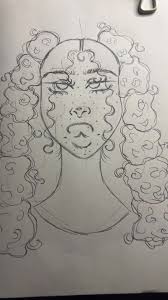
Course Information
Course Name: Drawing and Photo Media Theory and Practice I
Course Code: BIAD 1303
Programme: Industrial Art and Design
Academic Year: 2025–2026
Course Lecturer: Paul
Credits: 15
Hours: ____________________
Level/Semester: Year I – Trimester III
Delivery Mode: Face-to-face lectures, studio practical sessions, photography laboratory exercises, fieldwork, classroom discussions, demonstrations, presentations, exhibitions, and Moodle Learning Management System (LMS) support.
Course Overview
This course introduces students to the theoretical foundations and practical applications of drawing and photographic media in Industrial Art and Design. It emphasizes the development of observational drawing skills, visual composition, perspective, shading, proportion, and creative expression while introducing the principles of photography, camera operation, lighting, image composition, and digital photo editing. Students will gain hands-on experience in producing professional drawings and photographic works that effectively communicate artistic ideas and design concepts.
Learning Objectives
Upon successful completion of this course, students should be able to:
- Explain the fundamental theories and principles of drawing and photographic media.
- Demonstrate proficiency in freehand drawing and observational sketching.
- Apply perspective, proportion, shading, texture, and composition techniques.
- Operate digital cameras and understand basic photographic equipment.
- Apply photographic composition, lighting, and exposure techniques.
- Edit and enhance digital photographs using appropriate software.
- Integrate drawing and photography in creative design projects.
- Develop creativity, observation, and visual storytelling skills.
Learning Outcomes
By the end of this course, learners will be able to:
- Explain the principles and theories of drawing and photography.
- Produce accurate observational drawings using appropriate techniques.
- Apply perspective, proportion, balance, and tonal values effectively.
- Operate digital cameras and capture high-quality photographs.
- Demonstrate understanding of lighting, composition, and photographic exposure.
- Edit and prepare digital images for print and digital presentation.
- Combine drawing and photographic media in creative visual communication projects.
- Present a professional portfolio of drawings and photographic works.
Prerequisites
- Basic Terminologies in Design and Drawing (BIAD 1101).
- Basic Theories in Design and Computer Aided Graphics (BIAD 1102).
- Computer Literacy and Communication Skills (CLCS 1201).
Learning Resources
- Lecturer's notes and handouts.
- Drawing and Photography textbooks.
- Sketchbooks, drawing papers, pencils, charcoal, ink, markers, erasers, rulers, and other drawing materials.
- Digital cameras (DSLR, Mirrorless, or Smartphone cameras where applicable).
- Photography accessories (tripods, reflectors, lighting equipment, memory cards).
- Computers with photo editing software (Adobe Photoshop, Lightroom, GIMP, or equivalent).
- Multimedia projector and studio equipment.
- Academic journals and articles.
- Moodle Learning Management System (LMS).
- Online photography and drawing tutorials.
Learning Activities
- Interactive lectures.
- Studio drawing exercises.
- Outdoor observational drawing sessions.
- Photography practical workshops.
- Camera operation and lighting demonstrations.
- Photo editing laboratory sessions.
- Individual drawing and photography projects.
- Group critiques and discussions.
- Portfolio development.
- Student presentations.
- Field visits for landscape, architectural, and documentary photography.
- Moodle-based learning activities.
Assessment Methods
- Individual Drawing Assignments
- Photography Practical Exercises
- Photo Editing Projects
- Studio Portfolio
- Group Projects
- Quizzes
- Continuous Assessment Tests (CATs)
- Student Presentations
- Midterm Examination
- Final Examination
Course Duration
15 Weeks
Lecturer Information
Name: Paul
Email: ____________________
- Teacher: Yves mumararungu

Course Information
Course Name: Weaving and Multimedia Practices I
Course Code: BIAD 1302
Programme: Industrial Art and Design
Academic Year: 2025–2026
Course Lecturer: Paul
Credits: 10
Hours: ____________________
Level/Semester: Year I – Trimester III
Delivery Mode: Face-to-face lectures, weaving studio workshops, multimedia laboratory practical sessions, classroom discussions, demonstrations, presentations, field visits, and Moodle Learning Management System (LMS) support.
Course Overview
This course provides students with practical skills in weaving techniques and multimedia production as applied to Industrial Art and Design. It builds upon the theoretical knowledge acquired in earlier courses by emphasizing hands-on experience in textile production, pattern creation, loom operation, digital image editing, graphic composition, audio-visual production, and multimedia presentation. Students will learn to integrate traditional weaving techniques with modern digital technologies to create innovative textile and multimedia projects that demonstrate creativity, functionality, and effective visual communication.
Learning Objectives
Upon successful completion of this course, students should be able to:
- Demonstrate fundamental weaving techniques using appropriate tools and materials.
- Operate weaving looms and produce simple woven textile products.
- Apply colour, pattern, and texture principles in textile design.
- Use multimedia software to create and edit digital images, graphics, audio, and video.
- Integrate weaving designs with multimedia technologies for creative presentations.
- Develop professional studio and laboratory practices.
- Present weaving and multimedia projects effectively.
Learning Outcomes
By the end of this course, learners will be able to:
- Produce woven fabrics using basic weaving methods and techniques.
- Select and safely use weaving tools, equipment, and textile materials.
- Apply colour harmony, texture, and pattern development in textile production.
- Create multimedia content using graphic design, image editing, audio, and video software.
- Integrate traditional weaving with digital media to produce creative design solutions.
- Present weaving and multimedia projects professionally using appropriate visual communication techniques.
- Demonstrate creativity, technical competence, and problem-solving skills in textile and multimedia practices.
Prerequisites
- Introduction to Weaving and Multimedia (BIAD 1201)
- Basic Theories in Design and Computer Aided Graphics (BIAD 1102)
- Computer Literacy and Communication Skills (CLCS 1201)
Learning Resources
- Lecturer's notes and handouts.
- Textile Design and Weaving textbooks.
- Multimedia Design and Digital Media textbooks.
- Weaving looms, shuttles, reeds, heddles, yarns, fibres, and weaving accessories.
- Computers equipped with multimedia and graphic design software (e.g., Adobe Photoshop, Illustrator, Premiere Pro, CorelDRAW, or equivalent).
- Digital cameras, scanners, projectors, and audio recording equipment.
- Academic journals and articles.
- Moodle Learning Management System (LMS).
- Online educational videos and tutorials.
Learning Activities
- Interactive lectures.
- Practical weaving workshops.
- Multimedia laboratory practical sessions.
- Textile pattern development exercises.
- Graphic design and image editing projects.
- Audio and video editing practical sessions.
- Individual and group assignments.
- Student presentations and portfolio development.
- Educational visits to textile industries and multimedia production studios (where applicable).
- Moodle-based learning activities.
Assessment Methods
- Individual Assignments
- Practical Weaving Exercises
- Multimedia Production Projects
- Textile Design Projects
- Group Projects
- Quizzes
- Continuous Assessment Tests (CATs)
- Student Presentations
- Portfolio Assessment
- Midterm Examination
- Final Examination
Course Duration
15 Weeks
Lecturer Information
Name: Paul
Email: ____________________
- Teacher: Yves mumararungu

Course Information
Course Name: Principles of Design, Visual Communication and Exhibition I
Course Code: BIAD 1301
Programme: Industrial Art and Design
Academic Year: 2025–2026
Course Lecturer: Paul
Credits: 10
Hours: ____________________
Level/Semester: Year I – Trimester III
Delivery Mode: Face-to-face lectures, studio demonstrations, design workshops, visual communication exercises, exhibition planning activities, classroom discussions, presentations, critiques, field visits, and Moodle Learning Management System (LMS) support.
Course Overview
This course introduces students to the fundamental principles of design, visual communication, and exhibition practices. It explores the relationship between design elements, visual messages, audience interpretation, and the presentation of creative works. Students will study composition, colour, form, balance, contrast, hierarchy, typography, layout, symbolism, and visual storytelling. The course also introduces basic exhibition concepts, including artwork selection, display techniques, space arrangement, and communication strategies used in galleries and public exhibitions. Through theoretical and practical activities, students will develop the ability to create meaningful visual designs and effectively present creative ideas.
Learning Objectives
Upon successful completion of this course, students should be able to:
- Explain the fundamental principles and elements of design.
- Understand the role of visual communication in art and design.
- Apply design principles in creating effective visual compositions.
- Analyze how images, symbols, colours, and layouts communicate messages.
- Develop creative concepts for visual design projects.
- Understand the basic principles of exhibition planning and display.
- Develop skills in presenting and communicating design ideas professionally.
Learning Outcomes
By the end of this course, learners will be able to:
- Explain the principles and elements of design and their applications.
- Apply balance, rhythm, proportion, contrast, emphasis, and unity in design works.
- Create visual compositions that communicate clear messages.
- Analyze and interpret visual communication methods in different contexts.
- Develop design concepts based on audience needs and purpose.
- Plan basic exhibition layouts and artwork displays.
- Present and critique design projects using appropriate professional terminology.
- Demonstrate creativity and effective visual communication skills.
Prerequisites
- Basic Terminologies in Design and Drawing (BIAD 1101).
- Design and Appreciation Theories I (BIAD 1204).
- Basic Computer Literacy and Communication Skills (CLCS 1201).
Learning Resources
- Lecturer's notes and handouts.
- Principles of Design and Visual Communication textbooks.
- Exhibition Design and Gallery Management references.
- Art and Design history resources.
- Design journals and academic articles.
- Visual communication examples and case studies.
- Exhibition catalogues and gallery materials.
- Moodle Learning Management System (LMS).
- Online educational resources and design tutorials.
Learning Activities
- Interactive lectures.
- Studio design exercises.
- Visual analysis activities.
- Design composition practices.
- Group discussions and critiques.
- Exhibition planning exercises.
- Artwork arrangement and display activities.
- Individual and group design projects.
- Student presentations.
- Gallery and exhibition visits (where applicable).
- Moodle-based learning activities.
Assessment Methods
- Individual Design Assignments
- Visual Communication Projects
- Exhibition Planning Exercises
- Group Projects
- Artwork Critiques
- Quizzes
- Continuous Assessment Tests (CATs)
- Student Presentations
- Midterm Examination
- Final Examination
Course Duration
15 Weeks
Lecturer Information
Name: Paul
Email: ____________________
- Teacher: Yves mumararungu