


Course Information
Course Name: Computer Aided, Technical Drawing and Design I
Course Code: BIAD 1203
Programme: Industrial Art and Design
Academic Year: 2025–2026
Course Lecturer: Paul
Credits: 10
Hours: ____________________
Level/Semester: Year I – Trimester II
Delivery Mode: Face-to-face lectures, computer laboratory practical sessions, technical drawing studio workshops, classroom discussions, demonstrations, presentations, and Moodle Learning Management System (LMS) support.
Course Overview
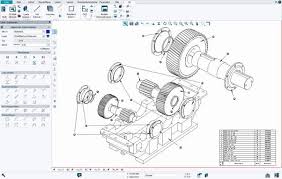
This course introduces students to the principles and techniques of technical drawing and computer-aided design (CAD). It provides a foundation in engineering and architectural drawing standards while developing practical skills in creating precise technical drawings using both manual drafting techniques and computer-aided design software. Students will learn orthographic projection, dimensioning, sectioning, isometric drawing, geometric construction, and the application of CAD tools to produce professional-quality technical drawings for industrial design projects.
Learning Objectives
Upon successful completion of this course, students should be able to:
- Explain the principles and standards of technical drawing.
- Identify and correctly use manual drafting instruments and CAD software.
- Apply standard drawing conventions, symbols, scales, and dimensioning techniques.
- Produce accurate orthographic, isometric, and sectional drawings.
- Create two-dimensional (2D) technical drawings using computer-aided design software.
- Interpret and communicate technical information through engineering drawings.
- Develop accuracy, precision, and professionalism in technical drafting and design.
Learning Outcomes
By the end of this course, learners will be able to:
- Explain the principles and applications of technical drawing and computer-aided design.
- Use drafting instruments and CAD software effectively.
- Prepare accurate technical drawings following international drawing standards.
- Apply geometric constructions, orthographic projection, dimensioning, and sectioning techniques.
- Produce professional-quality 2D technical drawings for industrial design applications.
- Interpret technical drawings and communicate design ideas accurately.
- Demonstrate competence in manual and computer-aided drafting techniques.
Prerequisites
- Basic Terminologies in Design and Drawing (BIAD 1101)
- Basic Theories in Design and Computer Aided Graphics (BIAD 1102)
- Basic Computer Literacy
Learning Resources
- Lecturer's notes and handouts.
- Technical Drawing and Engineering Graphics textbooks.
- Computer-Aided Design (CAD) software (e.g., AutoCAD, DraftSight, FreeCAD, or equivalent).
- Computers with appropriate graphics capabilities.
- Drawing instruments (drawing board, T-square, set squares, compass, protractor, scale ruler, pencils, erasers).
- National and international technical drawing standards (ISO standards).
- Academic journals and articles.
- Moodle Learning Management System (LMS).
- Online CAD tutorials and educational videos.
Learning Activities
- Interactive lectures.
- Technical drawing studio exercises.
- CAD laboratory practical sessions.
- Orthographic and isometric drawing practice.
- Geometric construction exercises.
- Individual drafting assignments.
- Group design projects.
- Student presentations and drawing critiques.
- Moodle-based learning activities.
Assessment Methods
- Individual Assignments
- Technical Drawing Exercises
- CAD Practical Exercises
- Design Projects
- Group Assignments
- Quizzes
- Continuous Assessment Tests (CATs)
- Student Presentations
- Midterm Examination
- Final Examination
Course Duration
15 Weeks
Lecturer Information
Name: Paul
Email: ____________________
- Teacher: Yves mumararungu
Course Information
Course Name: Basics of Sculpture, Ceramics and Exhibition
Course Code: BIAD 1202
Programme: Industrial Art and Design
Academic Year: 2025–2026
Course Lecturer: Paul
Credits: 10
Hours: ____________________
Level/Semester: Year I – Trimester II
Delivery Mode: Face-to-face lectures, studio demonstrations, practical workshop sessions, classroom discussions, exhibitions, presentations, field visits, and Moodle Learning Management System (LMS) support.
Course Overview
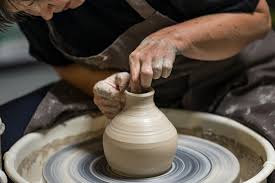
This course introduces students to the fundamental concepts, materials, techniques, and creative processes involved in sculpture, ceramics, and art exhibition. It provides learners with practical experience in modelling, carving, casting, relief work, hand-building, wheel throwing, glazing, firing, finishing, and the professional presentation of artworks. Students will explore the aesthetic, functional, and cultural significance of three-dimensional art while developing technical skills in sculpture and ceramics. The course also introduces the principles of exhibition planning, artwork installation, gallery management, and public presentation, preparing students for professional artistic practice.
Learning Objectives
Upon successful completion of this course, students should be able to:
- Explain the history, concepts, and significance of sculpture and ceramics.
- Identify and safely use tools, equipment, and materials for sculpture and ceramic production.
- Apply fundamental sculpting techniques, including modelling, carving, casting, and assemblage.
- Demonstrate basic ceramic production techniques such as hand-building, wheel throwing, glazing, and firing.
- Apply finishing and decorative techniques to sculptural and ceramic artworks.
- Plan, organize, and install artworks for exhibitions.
- Develop creativity, craftsmanship, critical thinking, and professional presentation skills.
Learning Outcomes
By the end of this course, learners will be able to:
- Explain the principles, history, and applications of sculpture and ceramics.
- Select appropriate materials, tools, and techniques for sculpture and ceramic production.
- Produce original sculptural and ceramic artworks using appropriate methods.
- Apply glazing, finishing, and surface decoration techniques effectively.
- Design and organize a professional art exhibition.
- Present and display artworks using accepted exhibition standards.
- Demonstrate creativity, technical competence, and aesthetic appreciation in three-dimensional art and exhibition practice.
Prerequisites
- Basic Terminologies in Design and Drawing (BIAD 1101)
- Basic Theories in Design and Computer Aided Graphics (BIAD 1102) (recommended)
- Basic Computer Literacy
Learning Resources
- Lecturer's notes and handouts.
- Sculpture and Ceramics textbooks.
- Clay, plaster, wood, stone, metal, wax, and recycled sculptural materials.
- Sculpting and ceramic equipment (modelling tools, carving tools, pottery wheel, kiln, glazing tools, moulds, and safety equipment).
- Exhibition design manuals and gallery catalogues.
- Academic journals and scholarly articles.
- Museum and gallery reference materials.
- Moodle Learning Management System (LMS).
- Online educational videos and digital learning resources.
Learning Activities
- Interactive lectures.
- Studio demonstrations.
- Practical sculpture workshops.
- Ceramic hand-building and wheel-throwing sessions.
- Glazing, decorating, and firing demonstrations.
- Individual sculpture and ceramic projects.
- Group discussions and critiques.
- Exhibition planning and installation exercises.
- Student presentations and portfolio reviews.
- Educational visits to museums, galleries, and exhibitions (where applicable).
- Moodle-based learning activities.
Assessment Methods
- Individual Assignments
- Practical Sculpture Exercises
- Ceramic Production Projects
- Exhibition Planning Project
- Group Projects
- Quizzes
- Continuous Assessment Tests (CATs)
- Student Presentations
- Midterm Examination
- Final Examination
Course Duration
15 Weeks
Lecturer Information
Name: Paul
Email: ____________________
- Teacher: Yves mumararungu
Course Information
Course Name: Introduction to Weaving and Multimedia
Course Code: BIAD 1201
Programme: Industrial Art and Design
Academic Year: 2025–2026
Course Lecturer: Paul
Credits: 10
Hours: ____________________
Level/Semester: Year I – Trimester II
Delivery Mode: Face-to-face lectures, studio demonstrations, weaving workshops, multimedia laboratory practical sessions, classroom discussions, presentations, field visits, and Moodle Learning Management System (LMS) support.
Course Overview
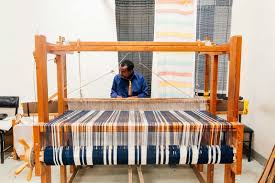
This course introduces students to the fundamental concepts and techniques of weaving alongside the basic principles of multimedia technologies used in art and design. It provides learners with practical experience in traditional and contemporary weaving methods, textile materials, loom operation, pattern development, and fabric construction. The course also explores multimedia concepts, including digital images, audio, video, animation, and interactive media, enabling students to integrate traditional textile design with modern digital technologies for creative expression and communication.
Learning Objectives
Upon successful completion of this course, students should be able to:
- Explain the history and significance of weaving in art and design.
- Identify weaving tools, looms, fibres, yarns, and other textile materials.
- Demonstrate basic weaving techniques and fabric construction methods.
- Understand the principles and components of multimedia.
- Use multimedia tools to create and present visual content.
- Integrate traditional weaving concepts with digital media applications.
- Develop creativity and technical skills in textile and multimedia design.
Learning Outcomes
By the end of this course, learners will be able to:
- Explain the fundamental concepts of weaving and multimedia.
- Select and use appropriate weaving tools, materials, and equipment.
- Produce simple woven textile products using basic weaving techniques.
- Create and edit basic multimedia content, including images, audio, and video.
- Apply multimedia technologies to support textile and design presentations.
- Demonstrate creativity by combining traditional weaving with digital media.
- Present weaving and multimedia projects professionally.
Prerequisites
- Basic Terminologies in Design and Drawing (BIAD 1101).
- Basic Theories in Design and Computer Aided Graphics (BIAD 1102) (recommended).
- Basic Computer Literacy.
Learning Resources
- Lecturer's notes and handouts.
- Weaving and Textile Design textbooks.
- Multimedia Design and Digital Media textbooks.
- Weaving looms, yarns, fibres, shuttles, reeds, and weaving accessories.
- Computers with multimedia software (Adobe Creative Suite, CorelDRAW, or equivalent).
- Multimedia equipment (digital cameras, projectors, speakers, microphones).
- Academic journals and articles.
- Moodle Learning Management System (LMS).
- Online educational videos and tutorials.
Learning Activities
- Interactive lectures.
- Studio demonstrations.
- Practical weaving workshops.
- Multimedia laboratory practical sessions.
- Fabric pattern development exercises.
- Digital media creation and editing.
- Individual and group assignments.
- Student presentations.
- Field visits to textile production centres (where applicable).
- Moodle-based learning activities.
Assessment Methods
- Individual Assignments
- Practical Weaving Exercises
- Multimedia Projects
- Group Projects
- Quizzes
- Continuous Assessment Tests (CATs)
- Student Presentations
- Midterm Examination
- Final Examination
Course Duration
15 Weeks
Lecturer Information
Name: Paul
Email: ____________________
- Teacher: Yves mumararungu