

Course Information
Course Name: Geography of Rwanda
Course Code: GEO 3201
Programme: Bachelor of Education with Honours in History and Geography
Academic Year: 2024–2025
Course Lecturer: Peacemaker
Credits: 10
Level/Semester: Year II, Trimestre III
Delivery Mode: Face-to-face lectures, fieldwork, map interpretation, practical exercises, case studies, group discussions, seminars, research assignments, and Moodle-supported learning.
Welcome Message
Welcome to Geography of Rwanda.
This course introduces students to the geographical characteristics of Rwanda, focusing on the physical environment, human activities, and socio-economic development patterns of the country. It provides an understanding of Rwanda’s landscapes, resources, population distribution, economic activities, and environmental challenges.
Throughout the course, students will explore Rwanda’s relief, climate, drainage systems, soils, vegetation, population dynamics, agriculture, urbanization, and development strategies. The course equips future geography educators with knowledge and practical skills to explain Rwanda’s geographical features and their influence on national development.
Course Overview
The Geography of Rwanda course provides students with a comprehensive understanding of the physical and human geography of Rwanda. It examines the interaction between natural systems and human activities within the Rwandan geographical context.
Students will study Rwanda’s geographical location, geological structure, relief features, climate, rivers and lakes, soils, vegetation, and biodiversity. The course also explores population characteristics, settlement patterns, agriculture, industry, tourism, transportation, environmental management, and sustainable development initiatives.
Practical activities include map interpretation, field observations, analysis of geographical data, and case studies related to environmental and socio-economic issues affecting Rwanda.
By the end of the course, students will be able to apply geographical knowledge to understand Rwanda’s development challenges and opportunities and effectively teach geographical concepts related to the country.
Learning Objectives
By the end of the course, students should be able to:
- Understand the geographical location and characteristics of Rwanda.
- Explain Rwanda’s physical features and environmental systems.
- Analyze the influence of climate, relief, and natural resources on human activities.
- Examine population distribution and settlement patterns in Rwanda.
- Analyze major economic activities including agriculture, industry, and tourism.
- Explain environmental challenges and conservation strategies in Rwanda.
- Interpret maps and geographical data related to Rwanda.
- Conduct field investigations of geographical features.
- Evaluate Rwanda’s development strategies from a geographical perspective.
- Apply geographical knowledge in teaching and community awareness.
Learning Outcomes
Upon successful completion of this course, students will be able to:
- Describe the physical and human geographical characteristics of Rwanda.
- Interpret maps, graphs, and geographical information about Rwanda.
- Analyze relationships between Rwanda’s environment and human activities.
- Explain patterns of population distribution and settlement.
- Evaluate the importance of natural resources in Rwanda’s development.
- Assess environmental issues such as land degradation and conservation.
- Analyze agricultural and economic development patterns.
- Conduct basic geographical field studies in Rwanda.
- Apply geographical approaches to solving local development challenges.
- Demonstrate competence in teaching Rwanda’s geography effectively.
Learning Resources
- Lecturer's notes and presentations
- Geography of Rwanda textbooks
- Physical and human geography reference books
- Topographic maps of Rwanda
- National statistics and development reports
- GIS and remote sensing resources
- Environmental reports and publications
- Academic journals in Geography and Development Studies
- Government publications and planning documents
- Educational documentaries and multimedia resources
- Moodle learning materials
Learning Activities
- Interactive lectures
- Map interpretation exercises
- Fieldwork and geographical observations
- Environmental and socio-economic case studies
- Group discussions
- Student presentations
- Research assignments
- Individual and group projects
- Geographical data analysis exercises
- Moodle-based learning activities
Assessment Methods
- Assignment: 10 Marks
- Continuous Assessment Test (CAT): 10 Marks
- Mid-Term Examination: 40 Marks
- Final Examination: 40 Marks
Course Duration
15 Weeks
- Teacher: content creator

Course Information
Course Name: Human Developmental Psychology
Course Code: EDH 2301
Programme: Bachelor of Education with Honours in History and Geography
Academic Year: 2024–2025
Course Lecturer: Daniel DUKUNDANE
Credits: 15
Level/Semester: Year II, Trimestre III
Delivery Mode: Face-to-face lectures, interactive discussions, case studies, classroom observations, seminars, reflective activities, assignments, and Moodle-supported learning.
Welcome Message
Welcome to Human Developmental Psychology.
This course introduces students to the study of human growth and development from conception to adulthood. It explores the physical, cognitive, emotional, social, moral, and psychological changes that occur throughout human life.
Throughout the course, students will examine major theories of human development and their application in educational settings. The course equips future educators with the knowledge and skills needed to understand learners’ developmental characteristics, individual differences, and learning needs.
Course Overview
The Human Developmental Psychology course provides students with a comprehensive understanding of human development across different stages of life. It examines how biological, psychological, social, cultural, and environmental factors influence human growth and behavior.
Students will explore major developmental theories including those of Jean Piaget, Erik Erikson, Lev Vygotsky, Lawrence Kohlberg, and Albert Bandura. The course covers physical development, cognitive development, language development, emotional growth, social relationships, personality formation, moral development, and adolescent behavior.
The course emphasizes the application of developmental psychology principles in education. Students will analyze learner characteristics, classroom behaviors, and appropriate teaching approaches that support learners at different developmental stages.
By the end of the course, students will be able to apply psychological knowledge to improve teaching practices and promote learners’ academic, social, and personal development.
Learning Objectives
By the end of the course, students should be able to:
- Understand the concepts and principles of human development.
- Explain major theories of developmental psychology.
- Describe physical, cognitive, emotional, social, and moral development stages.
- Analyze factors influencing human growth and behavior.
- Examine individual differences among learners.
- Apply developmental theories to teaching and learning situations.
- Identify learners’ developmental needs and challenges.
- Develop appropriate educational strategies based on learners’ development.
- Analyze adolescent development and its educational implications.
- Promote positive psychological and social development among learners.
Learning Outcomes
Upon successful completion of this course, students will be able to:
- Explain key concepts and theories of human developmental psychology.
- Describe human development from childhood to adulthood.
- Analyze the influence of heredity, environment, and culture on development.
- Apply psychological theories to classroom practices.
- Identify learners’ developmental characteristics and needs.
- Evaluate factors affecting learners’ behavior and learning processes.
- Design teaching approaches suitable for different developmental stages.
- Conduct basic observations of learners’ psychological development.
- Recommend strategies for supporting learners’ personal and academic growth.
- Demonstrate professional understanding of learner development.
Learning Resources
- Lecturer's notes and presentations
- Human Developmental Psychology textbooks
- Educational Psychology reference books
- Works of major developmental psychologists (Piaget, Erikson, Vygotsky, Kohlberg, Bandura)
- Academic journals in Developmental and Educational Psychology
- Classroom observation materials
- Educational case studies
- Multimedia resources and documentaries
- Digital psychology databases
- Moodle learning materials
Learning Activities
- Interactive lectures
- Group discussions
- Psychological case study analysis
- Classroom observation activities
- Student presentations
- Reflective learning activities
- Research assignments
- Individual and group projects
- Seminars and workshops
- Moodle-based learning activities
Assessment Methods
- Assignment: 10 Marks
- Continuous Assessment Test (CAT): 10 Marks
- Mid-Term Examination: 40 Marks
- Final Examination: 40 Marks
Course Duration
15 Weeks
- Teacher: content creator

Course Information
Course Name: Educational Measurements and Evaluations
Course Code: EDM 4301
Programme: Bachelor of Education with Honours in History and Geography
Academic Year: 2024–2025
Course Lecturer: Jerome KAYEMBA
Credits: 10
Level/Semester: Year II, Trimestre III
Delivery Mode: Face-to-face lectures, practical assessment exercises, classroom-based activities, group discussions, seminars, case studies, assignments, and Moodle-supported learning.
Welcome Message
Welcome to Educational Measurements and Evaluations.
This course introduces students to the principles, concepts, and practices of measuring and evaluating learning outcomes in educational settings. It provides future teachers with the knowledge and skills needed to design, administer, analyze, and interpret educational assessments effectively.
Throughout the course, students will explore assessment concepts, measurement theories, evaluation techniques, test construction, grading systems, and the use of assessment results to improve teaching and learning. The course prepares future educators to apply fair, reliable, and valid evaluation practices in classrooms.
Course Overview
The Educational Measurements and Evaluations course provides students with a comprehensive understanding of educational assessment and evaluation processes. It examines the role of measurement in determining learners’ achievement, progress, and educational outcomes.
Students will study concepts related to educational measurement, assessment methods, evaluation models, test construction principles, validity, reliability, item analysis, grading systems, and interpretation of assessment results.
The course emphasizes practical application through the development of classroom tests, analysis of assessment data, and evaluation of teaching effectiveness. Students will also explore formative and summative assessment approaches and their importance in improving learning outcomes.
By the end of the course, students will be able to design and apply appropriate assessment strategies that support effective teaching and learning.
Learning Objectives
By the end of the course, students should be able to:
- Understand the concepts and principles of educational measurement and evaluation.
- Explain the role of assessment in teaching and learning.
- Differentiate between measurement, assessment, and evaluation.
- Develop valid and reliable educational assessment tools.
- Apply different methods of evaluating learners’ performance.
- Analyze and interpret assessment results.
- Understand principles of test construction and administration.
- Apply statistical techniques used in educational measurement.
- Use assessment results to improve teaching practices.
- Promote fair and effective evaluation of learners.
Learning Outcomes
Upon successful completion of this course, students will be able to:
- Define and explain key concepts in educational measurement and evaluation.
- Describe different types and purposes of educational assessment.
- Construct appropriate classroom tests and assessment instruments.
- Evaluate the validity and reliability of assessment tools.
- Apply different assessment techniques in educational contexts.
- Analyze learners’ assessment results using appropriate methods.
- Interpret test scores and make educational decisions.
- Develop grading and reporting systems.
- Use evaluation findings to improve teaching and learning.
- Demonstrate competence in managing classroom assessment processes.
Learning Resources
- Lecturer's notes and presentations
- Educational Measurement and Evaluation textbooks
- Assessment and testing manuals
- Curriculum and assessment guidelines
- Academic journals in Educational Assessment
- Statistical analysis resources
- National examination and evaluation frameworks
- Research reports on educational assessment
- Digital learning resources and online databases
- Moodle learning materials
Learning Activities
- Interactive lectures
- Test construction exercises
- Assessment tool development activities
- Classroom assessment practices
- Group discussions
- Case study analysis
- Data interpretation exercises
- Student presentations
- Research assignments
- Individual and group projects
- Moodle-based learning activities
Assessment Methods
- Assignment: 10 Marks
- Continuous Assessment Test (CAT): 10 Marks
- Mid-Term Examination: 40 Marks
- Final Examination: 40 Marks
Course Duration
15 Weeks
- Teacher: content creator

Course Information
Course Name: Education Research
Course Code: EDR 3201
Programme: Bachelor of Education with Honours in History and Geography
Academic Year: 2024–2025
Course Lecturer: Ivan NIWABIINE
Credits: 10
Level/Semester: Year II, Trimestre III
Delivery Mode: Face-to-face lectures, research workshops, seminars, group discussions, practical research exercises, proposal development, assignments, and Moodle-supported learning.
Welcome Message
Welcome to Education Research.
This course introduces students to the principles, processes, and methods of conducting research in education. It equips future educators with the knowledge and skills required to identify educational problems, collect and analyze data, and use research findings to improve teaching and learning practices.
Throughout the course, students will explore research concepts, methodologies, data collection techniques, research ethics, and academic writing. The course prepares student teachers to become reflective practitioners who can use evidence-based approaches to address educational challenges.
Course Overview
The Education Research course provides students with a comprehensive understanding of educational research processes and their application in educational settings. It examines the role of research in improving educational policies, teaching practices, and learning outcomes.
Students will study research concepts, problem identification, literature review, research designs, qualitative and quantitative methods, sampling techniques, data collection instruments, data analysis, interpretation of findings, and research reporting.
The course emphasizes practical research skills through the development of research proposals, conducting small-scale investigations, analyzing educational issues, and presenting research findings.
By the end of the course, students will be able to design and conduct basic educational research and apply research findings to improve educational practices.
Learning Objectives
By the end of the course, students should be able to:
- Understand the concepts and importance of educational research.
- Explain different approaches and methods used in education research.
- Identify educational problems suitable for research investigation.
- Develop research questions, objectives, and hypotheses.
- Conduct literature reviews using appropriate sources.
- Apply qualitative and quantitative research methods.
- Design appropriate data collection instruments.
- Understand research ethics and responsible research practices.
- Analyze and interpret educational research data.
- Prepare and present educational research reports.
Learning Outcomes
Upon successful completion of this course, students will be able to:
- Explain key concepts and principles of educational research.
- Identify and formulate research problems in education.
- Develop research proposals following academic standards.
- Select appropriate research designs and methodologies.
- Apply sampling techniques and data collection procedures.
- Analyze qualitative and quantitative educational data.
- Interpret research findings and draw conclusions.
- Prepare academic research reports.
- Apply research findings to improve teaching and learning.
- Demonstrate ethical and professional research practices.
Learning Resources
- Lecturer's notes and presentations
- Educational Research Methodology textbooks
- Research design and data analysis reference books
- Academic journals in Education Studies
- Research reports and dissertations
- National education policy documents
- Statistical analysis resources
- Online academic databases and digital libraries
- Research ethics guidelines
- Moodle learning materials
Learning Activities
- Interactive lectures
- Research proposal writing exercises
- Literature review activities
- Group discussions
- Research methodology workshops
- Data collection exercises
- Case study analysis
- Student presentations
- Individual research assignments
- Group research projects
- Moodle-based learning activities
Assessment Methods
- Assignment: 10 Marks
- Continuous Assessment Test (CAT): 10 Marks
- Mid-Term Examination: 40 Marks
- Final Examination: 40 Marks
Course Duration
15 Weeks
- Teacher: content creator

Course Information
Course Name: Environmental Geography
Course Code: GEO 1203
Programme: Bachelor of Education with Honours in History and Geography
Academic Year: 2024–2025
Course Lecturer: Jesse NANYUMBA
Credits: 10
Level/Semester: Year I, Trimestre II
Delivery Mode: Face-to-face lectures, fieldwork, environmental observations, laboratory exercises, map interpretation, case studies, group discussions, seminars, and Moodle-supported learning.
Welcome Message
Welcome to Environmental Geography.
This course introduces students to the study of interactions between humans and the natural environment. It explores environmental systems, resource utilization, environmental challenges, and strategies for sustainable management of natural resources.
Throughout the course, students will examine ecosystems, climate change, pollution, land degradation, biodiversity conservation, and environmental management approaches. The course equips future geography educators with the knowledge and practical skills needed to promote environmental awareness and sustainable development.
Course Overview
The Environmental Geography course provides students with a comprehensive understanding of environmental systems and the relationships between human activities and the physical environment. It examines how natural processes and human actions influence environmental conditions at local, regional, and global levels.
Students will explore ecosystems, natural resources, population-environment relationships, climate change, environmental hazards, pollution, conservation strategies, and sustainable development practices.
The course emphasizes practical learning through environmental field observations, map interpretation, case studies, and geographical analysis of environmental issues. Students will develop the ability to assess environmental challenges and propose solutions using geographical approaches.
By the end of the course, students will understand the importance of environmental stewardship and be able to apply geographical knowledge in environmental conservation and sustainable development initiatives.
Learning Objectives
By the end of the course, students should be able to:
- Understand the concepts and scope of environmental geography.
- Explain interactions between humans and the natural environment.
- Analyze environmental systems and ecological processes.
- Identify major environmental challenges affecting societies.
- Explain causes and impacts of climate change.
- Assess effects of pollution and environmental degradation.
- Examine natural resource management strategies.
- Understand biodiversity conservation approaches.
- Apply geographical tools in environmental analysis.
- Develop skills in environmental observation and fieldwork.
Learning Outcomes
Upon successful completion of this course, students will be able to:
- Explain fundamental concepts and principles of environmental geography.
- Analyze relationships between human activities and environmental systems.
- Describe major environmental issues at local, regional, and global levels.
- Evaluate the impacts of climate change, pollution, and land degradation.
- Interpret environmental maps, data, and geographical information.
- Conduct basic environmental field investigations.
- Assess strategies for environmental conservation and management.
- Apply geographical knowledge to sustainable development challenges.
- Recommend solutions to environmental problems.
- Demonstrate environmental responsibility and conservation awareness.
Learning Resources
- Lecturer's notes and presentations
- Environmental Geography textbooks
- Physical and Human Geography reference books
- Environmental management and conservation materials
- Topographic maps and environmental atlases
- GIS and remote sensing introductory resources
- Government environmental reports and publications
- Academic journals in Geography and Environmental Studies
- Educational documentaries and multimedia resources
- Online environmental databases and digital libraries
- Moodle learning materials
Learning Activities
- Interactive lectures
- Environmental fieldwork and observations
- Map reading and interpretation exercises
- Laboratory practical activities
- Environmental case study analysis
- Group discussions
- Student presentations
- Research assignments
- Individual and group projects
- Moodle-based learning activities
Assessment Methods
- Assignment: 10 Marks
- Continuous Assessment Test (CAT): 10 Marks
- Mid-Term Examination: 40 Marks
- Final Examination: 40 Marks
Course Duration
15 Weeks
- Teacher: content creator

Course Information
Course Name: Methods and Techniques in Spatial Analysis
Course Code: GEO 2302
Programme: Bachelor of Education with Honours in History and Geography
Academic Year: 2024–2025
Course Lecturer: Jesse NANYUMBA
Credits: 10
Level/Semester: Year II, Trimestre III
Delivery Mode: Face-to-face lectures, GIS practical sessions, laboratory exercises, fieldwork, map interpretation, spatial data analysis, case studies, group discussions, seminars, and Moodle-supported learning.
Welcome Message
Welcome to Methods and Techniques in Spatial Analysis.
This course introduces students to the concepts, methods, and technologies used in analyzing spatial information. It provides an understanding of how geographical data is collected, processed, interpreted, and applied in solving environmental, social, and development-related problems.
Throughout the course, students will explore cartographic techniques, Geographic Information Systems (GIS), remote sensing, GPS applications, spatial data collection, and spatial analysis methods. The course equips future geography educators with practical skills required for modern geographical research and decision-making.
Course Overview
The Methods and Techniques in Spatial Analysis course provides students with a comprehensive understanding of methods used to analyze geographical patterns and relationships in space. It focuses on the collection, management, analysis, and visualization of spatial data.
Students will study spatial data concepts, map-making techniques, GIS principles, remote sensing applications, GPS technology, spatial databases, and analytical methods used in geography. The course emphasizes practical applications of spatial analysis in environmental management, urban planning, agriculture, resource management, and sustainable development.
Through laboratory exercises, field data collection, and GIS-based activities, students will develop practical competencies in handling spatial information and applying geographical techniques to real-world problems.
By the end of the course, students will be able to use spatial analysis techniques to interpret geographical phenomena and support decision-making processes.
Learning Objectives
By the end of the course, students should be able to:
- Understand the concepts and principles of spatial analysis.
- Explain different methods of collecting and managing spatial data.
- Apply cartographic techniques in geographical studies.
- Understand the principles and applications of GIS.
- Use remote sensing and GPS technologies in spatial analysis.
- Analyze spatial patterns and relationships.
- Interpret maps, satellite images, and spatial datasets.
- Develop basic spatial databases.
- Apply spatial analysis techniques to environmental and social issues.
- Develop practical skills in geographical data visualization.
Learning Outcomes
Upon successful completion of this course, students will be able to:
- Explain concepts and methods used in spatial analysis.
- Collect, organize, and manage geographical data.
- Interpret maps, aerial photographs, and satellite imagery.
- Apply GIS techniques in geographical analysis.
- Use GPS tools for spatial data collection.
- Analyze spatial patterns using geographical methods.
- Produce basic thematic maps and spatial representations.
- Apply spatial techniques in environmental and development studies.
- Evaluate geographical problems using spatial approaches.
- Demonstrate practical competence in modern geographical technologies.
Learning Resources
- Lecturer's notes and presentations
- Spatial Analysis and GIS textbooks
- Cartography and Remote Sensing reference books
- GIS software manuals (QGIS, ArcGIS)
- Topographic maps and thematic maps
- Satellite imagery and aerial photographs
- GPS fieldwork guides
- Academic journals in Geography and GIS
- Government geospatial reports and databases
- Digital mapping resources and online GIS platforms
- Moodle learning materials
Learning Activities
- Interactive lectures
- GIS laboratory practicals
- Spatial data collection exercises
- Map interpretation activities
- Remote sensing demonstrations
- GPS field surveys
- Spatial analysis exercises
- Case study analysis
- Student presentations
- Individual and group research projects
- Moodle-based learning activities
Assessment Methods
- Assignment: 10 Marks
- Continuous Assessment Test (CAT): 10 Marks
- Mid-Term Examination: 40 Marks
- Final Examination: 40 Marks
Course Duration
15 Weeks
- Teacher: content creator
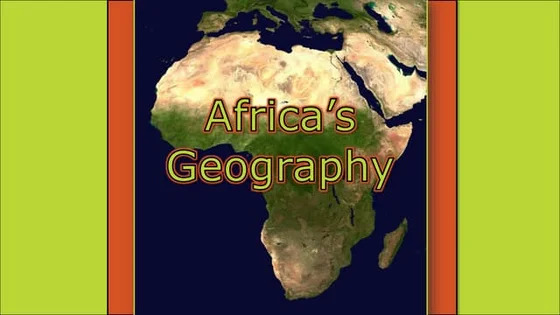
Course Information
Course Name: Geography of Africa
Course Code: GEO 4301
Programme: Bachelor of Education with Honours in History and Geography
Academic Year: 2024–2025
Course Lecturer: Samuel Ngendahimana
Credits: 10
Level/Semester: Year II, Trimestre III
Delivery Mode: Face-to-face lectures, map interpretation, field studies, geographical data analysis, case studies, group discussions, seminars, research assignments, and Moodle-supported learning.
Welcome Message
Welcome to Geography of Africa.
This course introduces students to the physical and human geographical characteristics of the African continent. It explores Africa’s landscapes, natural resources, population patterns, economic activities, environmental challenges, and development processes.
Throughout the course, students will examine Africa’s relief, climate, drainage systems, vegetation, soils, population distribution, settlements, agriculture, industries, trade, urbanization, and regional development issues. The course equips future geography educators with knowledge and skills to understand and explain the geographical diversity and challenges of Africa.
Course Overview
The Geography of Africa course provides students with a comprehensive understanding of the physical and human geography of the African continent. It examines the interaction between natural environments and human activities and how these relationships influence development across different African regions.
Students will explore Africa’s geographical location, geological structure, major landforms, climatic regions, ecosystems, natural resources, and environmental issues. The course also examines population dynamics, settlement patterns, agriculture, mining, industrial development, transportation, trade, tourism, and regional cooperation.
Practical activities involve map interpretation, analysis of geographical data, case studies of African countries, and field-based investigations of geographical phenomena.
By the end of the course, students will be able to analyze Africa’s geographical characteristics and apply geographical knowledge to understand development challenges and opportunities across the continent.
Learning Objectives
By the end of the course, students should be able to:
- Understand the geographical location and characteristics of Africa.
- Explain Africa’s physical features and environmental systems.
- Analyze climatic patterns and their influence on human activities.
- Examine Africa’s natural resources and their importance.
- Analyze population distribution, migration, and settlement patterns.
- Explain major economic activities across African regions.
- Assess environmental challenges facing Africa.
- Understand regional differences in development.
- Interpret maps and geographical data related to Africa.
- Apply geographical approaches to African development issues.
Learning Outcomes
Upon successful completion of this course, students will be able to:
- Describe the major physical and human geographical features of Africa.
- Interpret maps, graphs, and geographical information about African regions.
- Analyze relationships between Africa’s environment and human activities.
- Explain population trends and settlement patterns across Africa.
- Evaluate the role of natural resources in Africa’s economic development.
- Assess environmental issues such as desertification, climate change, and land degradation.
- Analyze agricultural, industrial, and trade patterns in Africa.
- Compare geographical characteristics of different African regions.
- Conduct geographical research using appropriate methods.
- Demonstrate competence in teaching African geography concepts.
Learning Resources
- Lecturer's notes and presentations
- Geography of Africa textbooks
- Physical and Human Geography reference books
- Maps and atlases of Africa
- Satellite images and GIS resources
- African development reports
- Government and regional organization publications
- Academic journals in Geography and Development Studies
- Environmental and economic reports
- Educational documentaries and multimedia resources
- Moodle learning materials
Learning Activities
- Interactive lectures
- Map interpretation exercises
- Geographical data analysis
- Regional case study discussions
- Fieldwork and observations
- Group discussions
- Student presentations
- Research assignments
- Individual and group projects
- Seminars and debates
- Moodle-based learning activities
Assessment Methods
- Assignment: 10 Marks
- Continuous Assessment Test (CAT): 10 Marks
- Mid-Term Examination: 40 Marks
- Final Examination: 40 Marks
Course Duration
15 Weeks
- Teacher: HABINSHUTI EMMANUEL

Course Information
Course Name: Imperialism in the Third World
Course Code: HIS 2301
Programme: Bachelor of Education with Honours in History and Geography
Academic Year: 2024–2025
Course Lecturer: Jerome KAYEMBA
Credits: 10
Level/Semester: Year II, Trimestre III
Delivery Mode: Face-to-face lectures, historical document analysis, seminars, case studies, group discussions, student presentations, research assignments, and Moodle-supported learning.
Welcome Message
Welcome to Imperialism in the Third World.
This course introduces students to the study of imperialism and its impact on societies in Africa, Asia, Latin America, and other developing regions. It explores the political, economic, social, and cultural effects of imperial domination and the struggles of peoples seeking independence and self-determination.
Throughout the course, students will examine the causes and expansion of imperialism, colonial systems, resistance movements, decolonization processes, and the continuing effects of imperialism in the modern world. The course develops students’ ability to critically analyze historical events and understand their influence on contemporary global relations.
Course Overview
The Imperialism in the Third World course provides students with a comprehensive understanding of imperial expansion and its consequences in developing regions. It examines the motivations behind European imperialism, colonial administration systems, exploitation of resources, cultural transformation, and resistance movements.
Students will explore major themes including the Scramble for Africa, colonial experiences in Asia and Latin America, economic exploitation, missionary activities, anti-colonial struggles, nationalism, independence movements, and post-colonial challenges.
The course also examines concepts such as neo-colonialism, dependency, globalization, and the continuing influence of former colonial powers on developing countries.
Through historical documents, case studies, maps, and comparative analysis, students will develop the skills needed to understand the historical roots of contemporary political, economic, and social issues in the Third World.
Learning Objectives
By the end of the course, students should be able to:
- Understand the concepts and theories of imperialism and colonialism.
- Explain the causes and motives behind imperial expansion.
- Examine the spread of imperialism in Africa, Asia, and Latin America.
- Analyze colonial political, economic, and social systems.
- Assess the effects of imperialism on indigenous societies.
- Examine African and other Third World resistance movements.
- Explain the processes of decolonization and independence.
- Evaluate the long-term consequences of imperialism.
- Analyze the relationship between imperialism and modern development challenges.
- Develop historical research and critical analysis skills.
Learning Outcomes
Upon successful completion of this course, students will be able to:
- Define and explain key concepts related to imperialism and colonialism.
- Analyze the causes and consequences of imperial expansion.
- Describe different colonial systems and their impacts.
- Evaluate the experiences of Third World societies under imperial rule.
- Explain the role of resistance movements and nationalism.
- Interpret historical documents related to imperialism.
- Compare colonial experiences across different regions.
- Analyze the relationship between colonial history and contemporary development issues.
- Assess the impact of neo-colonialism and globalization.
- Demonstrate critical understanding of imperialism in world history.
Learning Resources
- Lecturer's notes and presentations
- Imperialism and Colonial History textbooks
- African, Asian, and Latin American History reference books
- Historical maps and atlases
- Colonial documents and archival materials
- Academic journals in History and International Studies
- Books on nationalism and decolonization
- United Nations and development reports
- Educational documentaries and multimedia resources
- Digital history databases and online libraries
- Moodle learning materials
Learning Activities
- Interactive lectures
- Historical document analysis
- Group discussions
- Colonial case study analysis
- Map interpretation exercises
- Student presentations
- Historical debates
- Research assignments
- Individual and group projects
- Seminar presentations
- Moodle-based learning activities
Assessment Methods
- Assignment: 10 Marks
- Continuous Assessment Test (CAT): 10 Marks
- Mid-Term Examination: 40 Marks
- Final Examination: 40 Marks
Course Duration
15 Weeks
- Teacher: content creator

Course Information
Course Name: Transformation of Europe I (French Revolution 1789)
Course Code:
Programme: Bachelor of Education with Honours in History and Geography
Academic Year: 2024–2025
Course Lecturer: Jesse NANYUMBA
Credits: 10
Level/Semester: Year II, Trimestre III
Delivery Mode: Face-to-face lectures, historical document analysis, seminars, group discussions, case studies, student presentations, research assignments, and Moodle-supported learning.
Welcome Message
Welcome to Transformation of Europe I (French Revolution 1789).
This course introduces students to one of the most significant events in modern European history: the French Revolution of 1789. It examines the political, social, economic, and intellectual changes that transformed France and influenced societies across the world.
Throughout the course, students will explore the causes of the French Revolution, the collapse of the old order, revolutionary ideas, major events, key personalities, and the consequences of the revolution. The course develops students’ understanding of how revolutions shape political systems, social structures, and historical change.
Course Overview
The Transformation of Europe I (French Revolution 1789) course provides students with a detailed understanding of the origins, development, and impacts of the French Revolution. It examines the conditions of eighteenth-century France, including the structure of the Ancien Régime, social inequalities, economic difficulties, political weaknesses, and the influence of Enlightenment ideas.
Students will study major revolutionary events such as the meeting of the Estates-General, the Storming of the Bastille, the Declaration of the Rights of Man and Citizen, the Reign of Terror, the rise of Napoleon Bonaparte, and the transformation of European political systems.
The course also explores the wider significance of the French Revolution, including its influence on democracy, nationalism, human rights, and other revolutionary movements around the world.
By the end of the course, students will understand the causes, processes, and consequences of the French Revolution and its role in shaping modern Europe.
Learning Objectives
By the end of the course, students should be able to:
- Understand the historical background of eighteenth-century Europe.
- Explain the political, social, and economic causes of the French Revolution.
- Analyze the role of Enlightenment ideas in revolutionary change.
- Examine the major stages and events of the French Revolution.
- Identify important personalities involved in the revolution.
- Assess the impact of the revolution on French society and Europe.
- Explain the development of concepts such as liberty, equality, and citizenship.
- Analyze the rise of Napoleon Bonaparte and his influence on Europe.
- Interpret historical documents related to the French Revolution.
- Develop critical historical analysis skills.
Learning Outcomes
Upon successful completion of this course, students will be able to:
- Explain the causes and background of the French Revolution of 1789.
- Analyze the structure and weaknesses of the Ancien Régime.
- Evaluate the influence of Enlightenment thinkers on revolutionary movements.
- Describe major events and phases of the French Revolution.
- Interpret primary sources such as revolutionary declarations and speeches.
- Assess the social, political, and economic consequences of the revolution.
- Explain the impact of the French Revolution on European history.
- Analyze the relationship between revolution and political transformation.
- Compare revolutionary ideas with modern democratic principles.
- Demonstrate skills in historical research and interpretation.
Learning Resources
- Lecturer's notes and presentations
- European History textbooks
- French Revolution reference books
- Primary historical documents:
- Declaration of the Rights of Man and Citizen
- Revolutionary speeches and writings
- Political documents from 1789 onwards
- Historical maps and timelines
- Biographies of revolutionary leaders
- Academic journals in European History
- Educational documentaries and multimedia resources
- Digital history databases and online libraries
- Moodle learning materials
Learning Activities
- Interactive lectures
- Historical document analysis
- Group discussions
- Revolutionary case study analysis
- Historical debates
- Student presentations
- Research assignments
- Individual and group projects
- Timeline development activities
- Moodle-based learning activities
Assessment Methods
- Assignment: 10 Marks
- Continuous Assessment Test (CAT): 10 Marks
- Mid-Term Examination: 40 Marks
- Final Examination: 40 Marks
Course Duration
15 Weeks
- Teacher: content creator