

Course Information
Course Name: Human Development Psychology
Course Code: EDH 2301
Programme: Bachelor of Education with Honours in History and Geography
Academic Year: 2025–2026
Course Lecturer:
Credits: 15
Level/Semester: Year I, Trimestre III
Delivery Mode: Face-to-face lectures, interactive discussions, case studies, classroom observations, group presentations, reflective activities, seminars, and Moodle-supported learning.
Welcome Message
Welcome to Human Development Psychology.
This course explores the psychological, cognitive, emotional, social, and physical development of human beings from conception through old age. It provides students with an understanding of the major theories of human development and their application in educational settings.
Throughout the course, students will examine the developmental stages of learners, factors influencing growth and behavior, and strategies for supporting healthy development. The course equips future teachers with the knowledge and skills necessary to understand learners' developmental needs and create effective learning environments.
Course Overview
The Human Development Psychology course provides students with a comprehensive understanding of human growth and development across the lifespan. It examines the physical, cognitive, emotional, social, moral, and language development of individuals from infancy through adulthood.
Students will explore major theories proposed by psychologists such as Jean Piaget, Erik Erikson, Lev Vygotsky, Lawrence Kohlberg, and Albert Bandura. The course also considers the influence of heredity, environment, culture, family, education, and society on human development.
Practical activities include case study analysis, classroom observations, developmental assessments, reflective discussions, and the application of developmental theories to teaching and learning.
By the end of the course, students will understand learners' developmental characteristics and apply psychological principles to improve educational practice.
Learning Objectives
By the end of the course, students should be able to:
- Understand the concepts and principles of human development.
- Explain the major theories of human development.
- Describe the stages of physical, cognitive, emotional, and social development.
- Examine factors influencing growth and development.
- Analyze developmental characteristics across the lifespan.
- Apply developmental theories to educational practice.
- Assess learners' developmental needs in classroom settings.
- Promote healthy psychological and social development among learners.
- Develop appropriate teaching strategies based on developmental stages.
- Enhance critical thinking through psychological case analysis.
Learning Outcomes
Upon successful completion of this course, students will be able to:
- Explain the major concepts and theories of human development.
- Describe developmental changes from infancy to adulthood.
- Analyze the influence of biological, social, cultural, and environmental factors on development.
- Apply developmental psychology principles in teaching and learning.
- Identify learners' developmental needs and individual differences.
- Evaluate classroom situations using developmental theories.
- Recommend appropriate educational strategies for different developmental stages.
- Conduct basic developmental observations and assessments.
- Demonstrate effective communication and interpersonal skills in educational settings.
- Apply psychological knowledge to support learners' academic and personal development.
Learning Resources
- Lecturer's notes and presentations
- Educational Psychology and Human Development textbooks
- Books by Piaget, Erikson, Vygotsky, Kohlberg, and Bandura
- Academic journals in Educational and Developmental Psychology
- Case studies on human development
- Educational documentaries and multimedia resources
- Government education policy documents
- Digital psychology databases and online learning resources
- Moodle learning materials
- Classroom observation guides
Learning Activities
- Interactive lectures
- Group discussions
- Case study analysis
- Classroom observation activities
- Student presentations
- Individual and group research assignments
- Reflective journals
- Developmental assessment exercises
- Seminars and workshops
- Moodle-based learning activities
Assessment Methods
- Assignment: 10 Marks
- Continuous Assessment Test (CAT): 10 Marks
- Mid-Term Examination: 40 Marks
- Final Examination: 40 Marks
Course Duration
15 Weeks
- Teacher: Edison ISHIMWE
Course Name: Methods and Techniques in Spatial Analysis
Course Code: GEO 2301
Programme: Bachelor of Education with Honours in History and Geography
Academic Year: 2025–2026
Course Lecturer:
Credits: 15
Level/Semester: Year II, Trimestre I
Delivery Mode: Face-to-face lectures, laboratory practicals, GIS demonstrations, fieldwork, map interpretation, computer-based spatial analysis, seminars, group discussions, and Moodle-supported learning.
Welcome Message
Welcome to Methods and Techniques in Spatial Analysis.
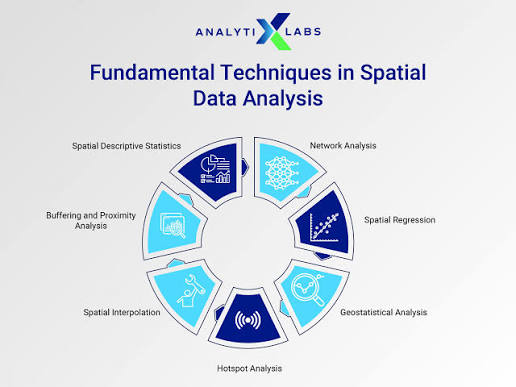
This course introduces students to the principles, methods, and techniques used to collect, analyze, interpret, and present spatial data. It emphasizes the application of geographical tools and technologies in solving real-world environmental, social, and economic problems.
Throughout the course, students will gain practical experience in map interpretation, spatial data collection, Geographic Information Systems (GIS), remote sensing, statistical analysis, and spatial modeling. The course prepares future geography educators with essential analytical and technical skills required for modern geographical research and planning.
Course Overview
The Methods and Techniques in Spatial Analysis course provides students with a comprehensive understanding of the theories, methods, and technologies used in spatial analysis. The course explores spatial data collection techniques, cartographic principles, Geographic Information Systems (GIS), remote sensing, Global Positioning Systems (GPS), spatial statistics, and data visualization.
Students will learn how to acquire, organize, analyze, and interpret spatial information for decision-making in environmental management, urban planning, agriculture, disaster management, transportation, and sustainable development.
Practical sessions emphasize the use of GIS software, map interpretation, field surveys, spatial databases, and analytical techniques for solving geographical problems.
By the end of the course, students will possess both theoretical knowledge and practical competencies in spatial analysis and geographical research.
Learning Objectives
By the end of the course, students should be able to:
- Understand the concepts and principles of spatial analysis.
- Explain methods of collecting and managing spatial data.
- Apply cartographic techniques in geographical analysis.
- Use GIS and remote sensing for spatial analysis.
- Interpret maps, aerial photographs, and satellite imagery.
- Analyze spatial patterns using statistical techniques.
- Conduct field surveys using GPS and other geographical tools.
- Develop spatial databases for geographical research.
- Apply spatial analysis techniques to environmental and socio-economic issues.
- Develop practical skills in geographical data analysis and visualization.
Learning Outcomes
Upon successful completion of this course, students will be able to:
- Explain the concepts and applications of spatial analysis.
- Collect, organize, and manage spatial data effectively.
- Interpret topographic maps, aerial photographs, and satellite images.
- Apply GIS and remote sensing techniques in geographical studies.
- Perform basic spatial statistical analyses.
- Conduct field investigations using GPS and modern surveying techniques.
- Produce maps and spatial visualizations for research and planning.
- Analyze geographical problems using spatial analytical methods.
- Recommend spatial solutions to environmental and development challenges.
- Demonstrate competence in the use of modern geographical technologies.
Learning Resources
- Lecturer's notes and presentations
- Spatial Analysis and GIS textbooks
- GIS software (e.g., QGIS, ArcGIS)
- Remote sensing and GPS manuals
- Topographic maps and thematic maps
- Aerial photographs and satellite imagery
- Academic journals in Geography and GIS
- Government geospatial data and reports
- Digital spatial databases and online GIS resources
- Moodle learning materials
Learning Activities
- Interactive lectures
- GIS laboratory practicals
- Map reading and interpretation exercises
- Remote sensing demonstrations
- GPS field surveys
- Spatial data analysis exercises
- Case study analysis
- Student presentations
- Individual and group research projects
- Moodle-based learning activities
Assessment Methods
- Assignment: 10 Marks
- Continuous Assessment Test (CAT): 10 Marks
- Mid-Term Examination: 40 Marks
- Final Examination: 40 Marks
Course Duration
15 Weeks
- Teacher: Edison ISHIMWE
Course Information
Course Name: Transformation in Europe
Course Code: HIS 2302
Programme: Bachelor of Education with Honours in History and Geography
Academic Year: 2025–2026
Course Lecturer:
Credits: 10
Level/Semester: Year II, Trimestre I
Delivery Mode: Face-to-face lectures, seminars, historical document analysis, map interpretation, group discussions, student presentations, research projects, and Moodle-supported learning.
Welcome Message
Welcome to Transformation in Europe.
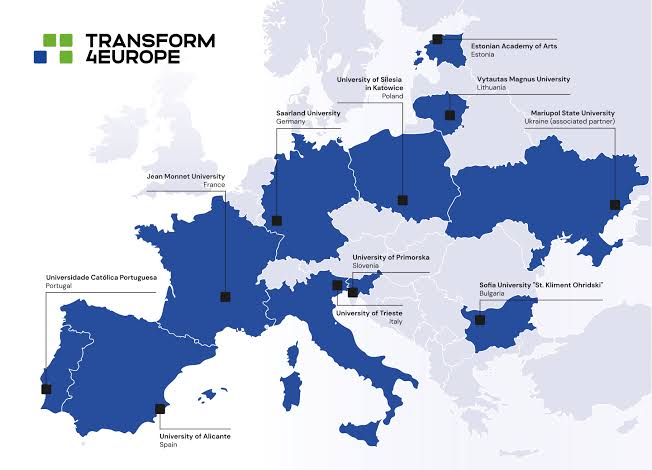
This course explores the major political, economic, social, intellectual, and cultural transformations that shaped Europe from the late medieval period to the modern era. It examines key events and movements that contributed to the emergence of modern European societies and their influence on world history.
Throughout the course, students will study the Renaissance, the Reformation, the Scientific Revolution, the Enlightenment, the Industrial Revolution, the French Revolution, nationalism, imperialism, and the development of modern European states. The course encourages critical analysis of historical developments and their global significance.
Course Overview
The Transformation in Europe course provides students with a comprehensive understanding of the historical changes that transformed Europe into a leading political, economic, and cultural force in the world. The course examines the transition from medieval feudal societies to modern industrial and democratic states.
Students will explore the intellectual movements that challenged traditional beliefs, technological innovations that fueled industrial growth, political revolutions that promoted democracy and nationalism, and social reforms that reshaped European societies. The course also examines Europe's expanding global influence through imperialism and international relations.
Through historical documents, maps, case studies, and comparative analysis, students will develop historical inquiry skills while understanding how European transformations influenced global developments.
Learning Objectives
By the end of the course, students should be able to:
- Understand the major periods of European transformation.
- Explain the causes and significance of the Renaissance and Reformation.
- Analyze the Scientific Revolution and the Enlightenment.
- Examine the causes and impacts of the Industrial Revolution.
- Assess the significance of the French Revolution and Napoleonic Era.
- Explain the rise of nationalism and nation-states in Europe.
- Evaluate Europe's imperial expansion and its global effects.
- Analyze political, social, and economic reforms in modern Europe.
- Interpret historical documents and maps related to European history.
- Develop historical research and analytical skills.
Learning Outcomes
Upon successful completion of this course, students will be able to:
- Explain the major transformations that shaped modern Europe.
- Analyze the political, economic, social, and cultural changes in European history.
- Evaluate the significance of the Renaissance, Reformation, and Enlightenment.
- Assess the causes and consequences of the Industrial and French Revolutions.
- Interpret historical documents, maps, and other historical evidence.
- Compare different stages of European political and economic development.
- Analyze the emergence of nationalism and modern nation-states.
- Evaluate Europe's influence on global history through imperialism and modernization.
- Conduct historical research using primary and secondary sources.
- Demonstrate critical thinking in interpreting historical events and developments.
Learning Resources
- Lecturer's notes and presentations
- European History textbooks
- Primary historical documents (e.g., Magna Carta, Declaration of the Rights of Man, Napoleonic Code)
- Historical maps and atlases
- Academic journals in European and World History
- Biographies of influential European historical figures
- Government and archival historical publications
- Educational documentaries and multimedia resources
- Digital libraries and online historical databases
- Moodle learning materials
Learning Activities
- Interactive lectures
- Group discussions
- Historical document analysis
- Map interpretation exercises
- Case study analysis
- Student presentations
- Research assignments
- Individual and group projects
- Historical debates
- Moodle-based learning activities
Assessment Methods
- Assignment: 10 Marks
- Continuous Assessment Test (CAT): 10 Marks
- Mid-Term Examination: 40 Marks
- Final Examination: 40 Marks
Course Duration
15 Weeks
- Teacher: Edison ISHIMWE
Course Information
Course Name: Imperialism in the Third World
Course Code: HIS 2301
Programme: Bachelor of Education with Honours in History and Geography
Academic Year: 2025–2026
Course Lecturer:
Credits: 10
Level/Semester: Year II, Trimestre I
Delivery Mode: Face-to-face lectures, seminars, document analysis, case studies, group discussions, student presentations, research activities, and Moodle-supported learning.
Welcome Message
Welcome to Imperialism in the Third World.
This course examines the origins, development, and consequences of imperialism in Asia, Africa, Latin America, and other regions commonly referred to as the Third World. It explores how colonial expansion transformed political, economic, social, and cultural systems while shaping contemporary global relations.
Students will critically examine the motivations behind imperialism, colonial administration, nationalist movements, decolonization, and the lasting legacy of colonial rule. The course encourages historical analysis of imperialism from both global and regional perspectives.
Course Overview
The Imperialism in the Third World course provides students with a comprehensive understanding of the processes and impacts of imperial expansion from the nineteenth century to the modern era. It explores European colonialism, economic exploitation, political domination, cultural influence, and resistance movements across Africa, Asia, Latin America, and the Middle East.
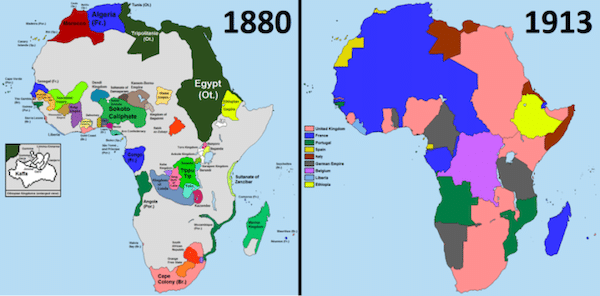
Students will examine the causes of imperialism, the Scramble for Africa, colonial governance, missionary activities, economic systems, anti-colonial struggles, nationalism, independence movements, and post-colonial challenges. The course also considers neo-colonialism and globalization as continuing influences on developing nations.
Through historical documents, maps, case studies, and comparative analysis, students will gain the skills necessary to evaluate the historical and contemporary significance of imperialism.
Learning Objectives
By the end of the course, students should be able to:
- Understand the concepts and theories of imperialism and colonialism.
- Explain the causes and motivations behind imperial expansion.
- Examine the process of imperialism in Africa, Asia, and Latin America.
- Analyze colonial political, economic, and social systems.
- Assess the impact of imperialism on indigenous societies.
- Examine nationalist and anti-colonial movements.
- Explain the process of decolonization and independence.
- Evaluate the legacy of imperialism in contemporary developing countries.
- Interpret historical documents related to colonialism and imperialism.
- Develop historical research and analytical skills.
Learning Outcomes
Upon successful completion of this course, students will be able to:
- Explain the historical development of imperialism in the Third World.
- Analyze the political, economic, social, and cultural impacts of colonial rule.
- Evaluate the causes and consequences of European imperial expansion.
- Interpret historical sources related to colonialism and resistance.
- Assess the significance of nationalist movements and decolonization.
- Compare colonial experiences across different regions of the Third World.
- Analyze the continuing effects of imperialism and neo-colonialism.
- Apply historical knowledge to contemporary global development issues.
- Conduct historical research using primary and secondary sources.
- Demonstrate critical thinking in evaluating historical events and interpretations.
Learning Resources
- Lecturer's notes and presentations
- Books on Imperialism, Colonialism, and African, Asian, and Latin American History
- Primary historical documents and colonial archives
- Historical maps and atlases
- Academic journals in History and International Relations
- United Nations and UNESCO historical publications
- Government and archival records
- Educational documentaries and multimedia resources
- Digital history databases and online libraries
- Moodle learning materials
Learning Activities
- Interactive lectures
- Group discussions
- Historical document analysis
- Case study analysis
- Map interpretation exercises
- Student presentations
- Research assignments
- Individual and group projects
- Historical debates
- Moodle-based learning activities
Assessment Methods
- Assignment: 10 Marks
- Continuous Assessment Test (CAT): 10 Marks
- Mid-Term Examination: 40 Marks
- Final Examination: 40 Marks
Course Duration
15 Weeks
- Teacher: Edison ISHIMWE
Course Information
Course Name: American History
Course Code: HIS 4302
Programme: Bachelor of Education with Honours in History and Geography
Academic Year: 2025–2026
Course Lecturer: Charles NDAYISENGA
Credits: 10
Level/Semester: Year I, Trimestre III
Delivery Mode: Face-to-face lectures, seminars, document analysis, map interpretation, group discussions, student presentations, case studies, independent research, and Moodle-supported learning.
Welcome Message
Welcome to American History.
This course introduces students to the historical development of the United States of America from the pre-colonial period to the contemporary era. It examines the political, economic, social, and cultural forces that shaped the nation and explores America's influence on global history.
Throughout the course, students will study the emergence of indigenous societies, European colonization, the struggle for independence, constitutional development, territorial expansion, the Civil War, industrialization, world wars, the Civil Rights Movement, and modern America. The course also encourages critical analysis of historical sources and promotes an understanding of the historical processes that continue to influence American society today.
Course Overview
The American History course provides students with a comprehensive understanding of the major events, personalities, institutions, and historical developments that have shaped the United States. The course explores the evolution of American democracy, political institutions, economic transformations, social movements, and international relations.
Students will examine the lives of Native Americans before European settlement, the colonial period, the American Revolution, the drafting of the Constitution, westward expansion, slavery and sectionalism, the Civil War and Reconstruction, industrial growth, immigration, the Great Depression, the World Wars, the Cold War, the Civil Rights Movement, and recent developments in American politics and society.
Special attention is given to historical interpretation, the use of primary and secondary sources, and comparative perspectives that connect American history with global historical developments.
By the end of the course, students will have developed analytical and research skills necessary for understanding historical events and their significance in both national and international contexts.
Learning Objectives
By the end of the course, students should be able to:
- Understand the historical development of the United States.
- Describe the origins and cultures of Native American societies.
- Explain the causes and consequences of European colonization.
- Analyze the American Revolution and the creation of the United States.
- Examine the development of the U.S. Constitution and democratic institutions.
- Assess the causes and impacts of westward expansion and industrialization.
- Evaluate the origins and consequences of the American Civil War.
- Examine America's role in major global conflicts.
- Analyze the Civil Rights Movement and contemporary American society.
- Develop historical inquiry, interpretation, and research skills.
Learning Outcomes
Upon successful completion of this course, students will be able to:
- Explain the major periods in American history.
- Analyze political, economic, social, and cultural developments in the United States.
- Interpret historical documents and primary sources.
- Assess the significance of the American Revolution and Constitutional development.
- Evaluate the causes and consequences of the Civil War and Reconstruction.
- Explain the effects of industrialization, immigration, and urbanization.
- Analyze America's participation in World Wars and international affairs.
- Examine the Civil Rights Movement and its historical significance.
- Compare American historical developments with global historical trends.
- Demonstrate critical thinking and historical research skills.
Learning Resources
- Lecturer's notes and presentations
- American History textbooks
- Primary historical documents (Declaration of Independence, Constitution, Bill of Rights, Emancipation Proclamation, etc.)
- Historical atlases and maps
- Academic journals in American and World History
- Biographies of significant American historical figures
- Government archives and historical publications
- Educational documentaries and multimedia resources
- Digital libraries and online historical databases
- Moodle learning materials
Learning Activities
- Interactive lectures
- Group discussions
- Historical document analysis
- Map interpretation exercises
- Case study analysis
- Student presentations
- Research assignments
- Individual and group projects
- Historical debates
- Moodle-based learning activities
Assessment Methods
- Assignment: 10 Marks
- Continuous Assessment Test (CAT): 10 Marks
- Mid-Term Examination: 40 Marks
- Final Examination: 40 Marks
Course Duration
15 Weeks
- Teacher: Charles NDAYISENGA