

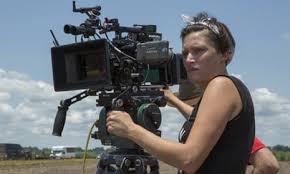
This module deepens students’ knowledge of cinematography by focusing on camera techniques, lighting, lens use, visual storytelling, and the relationship between cinematography and narrative meaning. Students will learn to manipulate light, shadow, movement, and composition to create mood, emotion, and realism on screen. Emphasis will also be placed on practical exercises and collaboration within the production team.
LEARNING OUTCOMES
By the end of this module, learners should be able to:
-
Apply intermediate-level camera movements and lens techniques in film production.
-
Demonstrate control of lighting, shadows, and gels to shape mood and depth.
-
Analyze how cinematography influences storytelling and audience perception.
-
Collaborate effectively as part of a cinematography team on set.
-
Produce short films or scenes that reflect professional cinematographic practices.
CONTENTS
-
Introduction
-
Cinematic Visual Language
-
Advanced Camera Techniques
-
Lighting and Shadows
-
Use of Gels and Color Theory
-
Lenses and Depth of Field
-
Composition and Framing
-
On-Set Workflow and Collaboration
-
Post-Production Awareness for Cinematographers
-
Practical Exercises
1. Introduction
(Explains why cinematography is the "language of cinema," builds on basics, importance of mood/visual storytelling.)
2. Cinematic Visual Language
-
Show vs. Tell
-
Symbolism, atmosphere, negative space
-
Visual subtext in images
3. Advanced Camera Techniques
-
Dolly, crane, handheld, gimbal, drone
-
Blocking and choreography
-
Focus pulling, rack focus
-
Frame rate choices
4. Lighting and Shadows
-
Three-point lighting advanced applications
-
High-key vs. low-key
-
Shadows for drama, realism, and artistry
-
Controlling spill, diffusion, reflectors, flags
5. Use of Gels and Color Theory
-
Correction gels (CTO, CTB)
-
Effect gels (mood, atmosphere)
-
Simulation (sunset, moonlight, office light)
-
Diffusion gels and softening
-
Color in storytelling (blue = cold/sad, red = passion/danger, etc.)
6. Lenses and Depth of Field
-
Prime vs. Zoom
-
Wide, normal, telephoto effects
-
Shallow vs. deep focus
-
Emotional impact of lens choice
7. Composition and Framing
-
Rule of thirds vs. breaking rules
-
Foreground/midground/background layers
-
Leading lines, framing within frames
-
Symmetry vs. asymmetry
8. On-Set Workflow and Collaboration
-
Roles of DP, ACs, gaffer, grip
-
Reports, shot logs, continuity
-
Communication with director and crew
-
Safety protocols
9. Post-Production Awareness
-
Color correction vs. grading
-
Matching shots for consistency
-
DP’s collaboration with editor and colorist
- Teacher: Aisha UMURUTA