
Course Information
Course Name: Film Acting
Course Code: BFS1205
Programme: Bachelor of Film Making and Film Production
Academic Year: 2025–2026 (Adjust if applicable)
Course Lecturer: Aisha UMURUTA
Credits: 15
Level/Semester: Year I, Trimester III
Delivery Mode: Face-to-face with practical acting workshops, rehearsals, and studio sessions
Welcome Message
Welcome to Film Acting. This course introduces you to the principles and techniques of acting for the screen. Through practical exercises, rehearsals, and scene performances, you will develop the skills needed to create authentic, emotionally engaging, and believable performances for film and television.
Course Overview
Film Acting is a practical course that introduces students to the fundamental principles and techniques of acting for film and television. The course focuses on character development, script interpretation, emotional expression, voice control, body language, camera awareness, and performance continuity. Students participate in practical acting exercises, rehearsals, scene studies, and filmed performances to develop confidence, creativity, and professionalism in front of the camera.
Learning Objectives
By the end of this course, students should be able to:
- Understand the principles and techniques of acting for film.
- Interpret scripts and develop believable characters.
- Apply voice, movement, and emotional expression effectively.
- Demonstrate awareness of camera positions and continuity during performance.
- Collaborate professionally with directors and other actors.
- Perform scripted scenes confidently for the camera.
Learning Outcomes
Upon successful completion of this course, students will be able to:
- Explain the fundamentals of film acting and screen performance.
- Analyze scripts to develop authentic character portrayals.
- Demonstrate effective vocal and physical acting techniques.
- Perform scenes with emotional truth and continuity.
- Adapt performances to different camera angles and shot sizes.
- Work collaboratively during rehearsals and film productions.
- Evaluate and improve acting performances through feedback and self-reflection.
Learning Activities
- Interactive lectures
- Acting workshops
- Character development exercises
- Script and scene analysis
- Improvisation activities
- Camera acting practice
- Group rehearsals
- Filmed performance projects
- Peer review and feedback sessions
Assessment
- Assignments
- Practical acting exercises
- Scene performances
- Mid-Term Examination
- Final Performance/Examination
Learning Resources
- Lecture notes
- Acting for film textbooks
- Screenplays and scene excerpts
- Film performance case studies
- Video demonstrations
- Moodle learning materials
- Discussion Forum
Course Duration
15 Weeks
- Teacher: Aisha UMURUTA

Course Information
Course Name: Intermediate Sound Recording for Film
Course Code: BFS1202
Programme: Bachelor of Film Making and Film Production
Academic Year: 2025–2026
Course Lecturer: Aisha UMURUTA
Credits: 15
Level/Semester: Year I, Trimester III
Delivery Mode: Face-to-face with practical sound recording studio and field sessions
Welcome Message
Welcome to Intermediate Sound Recording for Film. This course builds on basic sound recording skills and prepares you to handle more advanced challenges in capturing, monitoring, and managing professional-quality audio for film production.
Course Overview
This course builds on basic sound recording techniques by developing students' skills in recording, monitoring, and managing high-quality audio for film productions. It covers microphone selection and placement, location sound recording, dialogue capture, sound continuity, field recording, and basic audio workflow. Students gain practical experience in both studio and on-location environments to ensure professional sound quality in film projects.
Learning Objectives
By the end of this course, students should be able to:
- Apply intermediate sound recording techniques for film production.
- Select and use appropriate microphones and recording equipment.
- Record clear dialogue and ambient sound in different environments.
- Manage audio quality and troubleshoot common sound issues.
Learning Outcomes
Upon successful completion of this course, students will be able to:
- Record professional-quality audio for film productions.
- Operate sound recording equipment confidently in different environments.
- Capture and manage dialogue, ambient, and synchronized sound effectively.
- Apply industry-standard practices for location sound recording.
Assessment
- Assignments
- Quizzes
- Practical sound recording exercises
- Mid-Term Examination
- Final Examination
Learning Resources
- Lecture notes
- Sound recording textbooks
- Field recording equipment manuals
- Audio production tutorials
- Industry case studies
- Online learning videos
- Moodle learning materials
- Discussion Forum
Course Duration
15 Weeks
- Teacher: Aisha UMURUTA
Course Information
Course Name: Film Acting
Course Code: BFS1205
Programme: Bachelor of Film Making and Film Production
Academic Year: 2025–2026 (Adjust if applicable)
Course Lecturer: Aisha UMURUTA
Credits: 15
Level/Semester: Year I, Trimester III
Delivery Mode: Face-to-face with practical acting workshops, rehearsals, and studio sessions
Welcome Message
Welcome to Film Acting. This course introduces you to the principles and techniques of acting for the screen. Through practical exercises, rehearsals, and scene performances, you will develop the skills needed to create authentic, emotionally engaging, and believable performances for film and television.
Course Overview
Film Acting is a practical course that introduces students to the fundamental principles and techniques of acting for film and television. The course focuses on character development, script interpretation, emotional expression, voice control, body language, camera awareness, and performance continuity. Students participate in practical acting exercises, rehearsals, scene studies, and filmed performances to develop confidence, creativity, and professionalism in front of the camera.
Learning Objectives
By the end of this course, students should be able to:
- Understand the principles and techniques of acting for film.
- Interpret scripts and develop believable characters.
- Apply voice, movement, and emotional expression effectively.
- Demonstrate awareness of camera positions and continuity during performance.
- Collaborate professionally with directors and other actors.
- Perform scripted scenes confidently for the camera.
Learning Outcomes
Upon successful completion of this course, students will be able to:
- Explain the fundamentals of film acting and screen performance.
- Analyze scripts to develop authentic character portrayals.
- Demonstrate effective vocal and physical acting techniques.
- Perform scenes with emotional truth and continuity.
- Adapt performances to different camera angles and shot sizes.
- Work collaboratively during rehearsals and film productions.
- Evaluate and improve acting performances through feedback and self-reflection.
Learning Activities
- Interactive lectures
- Acting workshops
- Character development exercises
- Script and scene analysis
- Improvisation activities
- Camera acting practice
- Group rehearsals
- Filmed performance projects
- Peer review and feedback sessions
Assessment
- Assignments
- Practical acting exercises
- Scene performances
- Mid-Term Examination
- Final Performance/Examination
Learning Resources
- Lecture notes
- Acting for film textbooks
- Screenplays and scene excerpts
- Film performance case studies
- Video demonstrations
- Moodle learning materials
- Discussion Forum
Course Duration
15 Weeks
- Teacher: Aisha UMURUTA
Course Information
Course Name: Film Acting
Course Code: BFS1205
Programme: Bachelor of Film Making and Film Production
Academic Year: 2025–2026
Course Lecturer: Aisha UMURUTA
Credits: 15
Level/Semester: Year I, Trimester III
Delivery Mode: Face-to-face with practical acting workshops, rehearsals, and studio sessions
Welcome Message
Welcome to Film Acting. This course introduces you to the principles and techniques of acting for the screen. Through practical exercises, rehearsals, and scene performances, you will develop the skills needed to create authentic, emotionally engaging, and believable performances for film and television.
Course Overview
Film Acting is a practical course that introduces students to the fundamental principles and techniques of acting for film and television. The course focuses on character development, script interpretation, emotional expression, voice control, body language, camera awareness, and performance continuity. Students participate in practical acting exercises, rehearsals, scene studies, and filmed performances to develop confidence, creativity, and professionalism in front of the camera.
Learning Objectives
By the end of this course, students should be able to:
- Understand the principles and techniques of acting for film.
- Interpret scripts and develop believable characters.
- Apply voice, movement, and emotional expression effectively.
- Demonstrate awareness of camera positions and continuity during performance.
- Collaborate professionally with directors and other actors.
- Perform scripted scenes confidently for the camera.
Learning Outcomes
Upon successful completion of this course, students will be able to:
- Explain the fundamentals of film acting and screen performance.
- Analyze scripts to develop authentic character portrayals.
- Demonstrate effective vocal and physical acting techniques.
- Perform scenes with emotional truth and continuity.
- Adapt performances to different camera angles and shot sizes.
- Work collaboratively during rehearsals and film productions.
- Evaluate and improve acting performances through feedback and self-reflection.
Learning Activities
- Interactive lectures
- Acting workshops
- Character development exercises
- Script and scene analysis
- Improvisation activities
- Camera acting practice
- Group rehearsals
- Filmed performance projects
- Peer review and feedback sessions
Assessment
- Assignments
- Practical acting exercises
- Scene performances
- Mid-Term Examination
- Final Performance/Examination
Learning Resources
- Lecture notes
- Acting for film textbooks
- Screenplays and scene excerpts
- Film performance case studies
- Video demonstrations
- Moodle learning materials
- Discussion Forum
Course Duration
15 Weeks
- Teacher: Aisha UMURUTA
Course Information
Course Name: Film Acting
Course Code: BFS1305
Programme: Bachelor of Film Making and Film Production
Academic Year: 2025–2026
Course Lecturer: Aisha UMURUTA
Credits: 15
Level/Semester: Year I, Trimester III
Delivery Mode: Face-to-face with practical acting workshops, rehearsals, and studio sessions
Welcome Message
Welcome to Film Acting. This course introduces you to the principles and techniques of acting for the screen. Through practical exercises, rehearsals, and scene performances, you will develop the skills needed to create authentic, emotionally engaging, and believable performances for film and television.
Course Overview
Film Acting is a practical course that introduces students to the fundamental principles and techniques of acting for film and television. The course focuses on character development, script interpretation, emotional expression, voice control, body language, camera awareness, and performance continuity. Students participate in practical acting exercises, rehearsals, scene studies, and filmed performances to develop confidence, creativity, and professionalism in front of the camera.
Learning Objectives
By the end of this course, students should be able to:
- Understand the principles and techniques of acting for film.
- Interpret scripts and develop believable characters.
- Apply voice, movement, and emotional expression effectively.
- Demonstrate awareness of camera positions and continuity during performance.
- Collaborate professionally with directors and other actors.
- Perform scripted scenes confidently for the camera.
Learning Outcomes
Upon successful completion of this course, students will be able to:
- Explain the fundamentals of film acting and screen performance.
- Analyze scripts to develop authentic character portrayals.
- Demonstrate effective vocal and physical acting techniques.
- Perform scenes with emotional truth and continuity.
- Adapt performances to different camera angles and shot sizes.
- Work collaboratively during rehearsals and film productions.
- Evaluate and improve acting performances through feedback and self-reflection.
Learning Activities
- Interactive lectures
- Acting workshops
- Character development exercises
- Script and scene analysis
- Improvisation activities
- Camera acting practice
- Group rehearsals
- Filmed performance projects
- Peer review and feedback sessions
Assessment
- Assignments
- Practical acting exercises
- Scene performances
- Mid-Term Examination
- Final Performance/Examination
Learning Resources
- Lecture notes
- Acting for film textbooks
- Screenplays and scene excerpts
- Film performance case studies
- Video demonstrations
- Moodle learning materials
- Discussion Forum
Course Duration
15 Weeks
- Teacher: Aisha UMURUTA
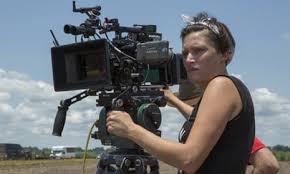
Course Information
Course Name: Intermediate Cinematography
Course Code: BFS1202
Programme: Bachelor of Film Making and Film Production
Academic Year: 2025–2026
Course Lecturer:
Credits: 15
Level/Semester: Year I, Trimester III
Delivery Mode: Face-to-face with practical camera and lighting studio/field sessions
Welcome Message
Welcome to Intermediate Cinematography. This course builds on foundational cinematography skills and develops your ability to use camera techniques, lighting, lenses, and composition to create meaningful visual storytelling. You will learn how to shape mood, emotion, and narrative through advanced cinematographic practice.
Course Overview
This module deepens students’ knowledge of cinematography by focusing on camera techniques, lighting, lens use, visual storytelling, and the relationship between cinematography and narrative meaning. Students learn to manipulate light, shadow, movement, and composition to create mood, emotion, and realism on screen. Emphasis is placed on practical exercises and teamwork in production environments, preparing learners for professional cinematography practice in film production.
Learning Objectives
By the end of this course, students should be able to:
- Apply intermediate camera movements and lens techniques in film production.
- Demonstrate control of lighting, shadows, and gels to shape mood and depth.
- Analyze how cinematography influences storytelling and audience perception.
- Collaborate effectively within a cinematography team on set.
- Produce short films or scenes using professional cinematographic practices.
Learning Outcomes
Upon successful completion of this course, students will be able to:
- Use advanced camera movements such as dolly, crane, handheld, gimbal, and drone shots.
- Apply lighting techniques including three-point lighting, high-key and low-key setups.
- Manipulate shadows, diffusion, reflectors, and flags to control image quality.
- Use gels and color theory for visual storytelling and mood creation.
- Select lenses appropriately (wide, normal, telephoto) for emotional impact.
- Apply composition principles including framing, symmetry, and depth layering.
- Demonstrate understanding of on-set cinematography workflow and collaboration.
- Work effectively with directors, gaffers, grips, and camera assistants.
- Understand basic post-production color correction and grading processes.
Course Content
- Introduction to Cinematography as visual language
- Cinematic visual storytelling and symbolism
- Advanced camera techniques (dolly, crane, handheld, gimbal, drone)
- Focus pulling and rack focus techniques
- Lighting and shadows (three-point lighting, high-key, low-key)
- Use of gels and color theory in film
- Lenses and depth of field (prime vs zoom, emotional impact)
- Composition and framing techniques
- On-set workflow and production collaboration
- Post-production awareness (color correction and grading basics)
- Practical cinematography exercises
Assessment
- Assignments
- Quizzes
- Practical cinematography exercises
- Mid-Term Examination
- Final Examination
Learning Resources
- Lecture notes
- Cinematography textbooks
- Camera and lighting manuals
- Film case studies
- Online cinematography tutorials
- Industry production guides
- Moodle learning materials
- Discussion Forum
Course Duration
15 Weeks
- Teacher: Aisha UMURUTA

Course Information
Course Name: Intermediate Sound Recording
Course Code: BFS1302
Programme: Bachelor of Film Making and Film Production
Academic Year: 2025–2026
Course Lecturer: Aisha UMURUTA
Credits: 15
Level/Semester: Year I, Trimester III
Delivery Mode: Face-to-face with practical studio and field sound recording sessions
Welcome Message
Welcome to Intermediate Sound Recording. This course builds on your foundational knowledge of audio production and develops your ability to capture, monitor, and manage high-quality sound in professional film environments. You will gain hands-on experience in both studio and on-location recording.
Course Overview
Intermediate Sound Recording develops students’ practical and technical skills in capturing professional-quality audio for film production. The course focuses on advanced microphone techniques, location sound recording, dialogue continuity, ambient sound capture, and basic audio workflow management. Students will work in different recording environments and apply industry-standard practices to ensure clear, synchronized, and high-quality sound for film projects.
Learning Objectives
By the end of this course, students should be able to:
- Apply intermediate sound recording techniques for film production.
- Select and use appropriate microphones and recording equipment effectively.
- Record clear dialogue and ambient sound in various environments.
- Manage audio quality and troubleshoot common sound issues on set.
- Understand sound continuity and synchronization in film production.
Learning Outcomes
Upon successful completion of this course, students will be able to:
- Record professional-quality audio for film scenes.
- Operate sound recording equipment confidently in studio and field environments.
- Capture and manage dialogue, ambient sound, and effects effectively.
- Apply industry-standard location sound recording techniques.
- Monitor and troubleshoot audio issues during production.
- Ensure proper synchronization of sound with visual content.
Learning Activities
- Lectures and demonstrations
- Practical sound recording exercises
- Field recording sessions
- Studio recording workshops
- Group production projects
- Audio analysis and critique sessions
- Moodle-based assignments and discussions
Assessment
- Assignments
- Quizzes
- Practical sound recording projects
- Mid-Term Examination
- Final Examination
Learning Resources
- Lecture notes
- Sound recording textbooks
- Microphone and audio equipment manuals
- Digital Audio Workstation (DAW) tutorials
- Film production case studies
- Online video tutorials
- Moodle learning materials
- Discussion Forum
Course Duration
15 Weeks
- Teacher: Aisha UMURUTA

Course Information
Course Name: Script Writing Lab
Course Code: BFS1304
Programme: Bachelor of Film Making and Film Production
Academic Year: 2024–2025
Course Lecturer: Justine KATHAMBI
Credits: 10
Level/Semester: Year I, Trimester III
Delivery Mode: Face-to-face workshop-based sessions with writing labs and peer review activities
Welcome Message
Welcome to Script Writing Lab. This is a practical workshop course where you will actively develop your scriptwriting skills through continuous writing, feedback, and revision. You will move from initial story ideas to complete, industry-standard scripts for film, television, radio, or digital media.
Course Overview
The Script Writing Lab is a hands-on, workshop-based course designed to help students develop and refine their scriptwriting skills for film, television, radio, and digital media. It focuses on the practical application of storytelling principles through continuous writing, peer review, and instructor feedback. Students will progress from concept development to final script draft while exploring genre, structure, dialogue, character development, and professional formatting standards.
Learning Objectives
By the end of this course, students should be able to:
- Understand the fundamentals of dramatic and narrative structure in scriptwriting.
- Develop original story ideas into professional-standard scripts.
- Improve character creation, dialogue, pacing, and scene construction skills.
- Apply industry-standard script formatting and editing practices.
- Engage in collaborative writing through workshops and critique sessions.
Learning Outcomes
Upon successful completion of this course, students will be able to:
- Generate and pitch original story concepts for screen or audio formats.
- Structure scripts using the three-act structure or other narrative frameworks.
- Write compelling scenes with clear objectives, conflict, and dialogue.
- Apply correct script formatting using professional tools (e.g., Final Draft, Celtx).
- Revise and improve scripts based on feedback and self-evaluation.
- Produce a complete short film script or pilot episode script as a final project.
Assessment
- Assignments
- Writing workshop exercises
- Peer reviews and critiques
- Mid-Term Script Submission
- Final Script Project
Learning Resources
- Lecture notes
- Scriptwriting textbooks
- Sample film and TV scripts
- Screenwriting software (Final Draft, Celtx)
- Online writing tutorials
- Film case studies
- Moodle learning materials
- Discussion Forum
Course Duration
15 Weeks
- Teacher: content creator