

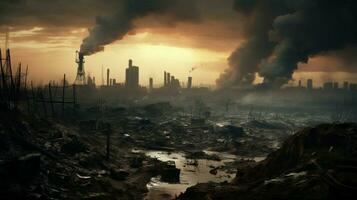
This course introduces students to the essential concepts of biodiversity and the pressing issue of environmental pollution. It explores the variety and interdependence of life forms on Earth while critically examining the human-induced pollutants that threaten ecosystems. Students will learn about the value of biodiversity, causes and types of pollution (air, water, soil, noise, plastic, etc.), and their direct and indirect effects on flora, fauna, and ecological balance. The course emphasizes environmental ethics, sustainable practices, and global and local solutions to pollution and biodiversity loss. It prepares learners to think critically and act responsibly toward the environment.
Objectives:
- Understand the importance and types of biodiversity (genetic, species, and ecosystem diversity).
- Recognize the different forms and sources of environmental pollution.
- Explore the interrelationship between pollution and the decline in biodiversity.
- Study the ecological and human consequences of environmental degradation.
- Learn about conservation strategies and pollution control methods.
- Understand international and local laws and policies that protect biodiversity.
- Develop skills to propose sustainable and practical solutions to environmental problems.
Learning Outcomes:
- Define biodiversity and explain its importance to ecosystems and human well-being.
- Identify types and sources of pollution and assess their environmental impacts.
- Analyze how pollution contributes to the loss of biodiversity.
- Discuss conservation tools such as protected areas, reforestation, and endangered species protection.
- Apply knowledge of environmental laws and sustainable development principles.
- Evaluate case studies of polluted ecosystems and suggest remedial actions.
- Promote environmental stewardship through awareness, behavior change, and advocacy.
Course Code: BLTH 3508
Credits: 10
Academic Year 2024-2025
Lecturer: Theogene TWIZERIMANA
- Teacher: content creator