
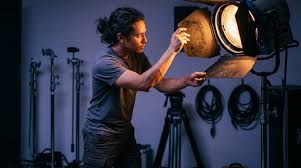
Course Information
Course Name: Film Lighting II
Course Code: BFS3101
Programme: Bachelor of Film Making and Film Production
Academic Year: 2025–2026
Course Lecturer: Yannick MURANGIRA
Credits: 10
Level/Semester: Year II, Trimester III
Delivery Mode: Face-to-face lectures with intensive studio and on-location practical lighting workshops
Welcome Message
Welcome to Film Lighting II.
This course builds upon your foundational knowledge of cinematic lighting and advances your skills in professional lighting design and execution. You will learn how to create visually compelling lighting setups that support storytelling, enhance mood, and strengthen cinematic composition across different production environments.
Through hands-on practice, you will develop the ability to work confidently with professional lighting equipment in studio and field conditions while collaborating effectively within production teams.
Lecturer: Yannick MURANGIRA
Course Overview
Film Lighting II is an advanced practical and theoretical course that builds upon the foundational principles of cinematic lighting introduced in Film Lighting I. The course focuses on professional lighting techniques used in film, television, documentaries, commercials, and digital media production.
Students learn how to design and execute complex lighting setups for different moods, genres, locations, and storytelling purposes. Emphasis is placed on creative lighting design, color temperature management, cinematic aesthetics, lighting continuity, and the use of modern lighting equipment and technologies.
The course also explores advanced concepts such as motivated lighting, low-key and high-key lighting, green screen lighting, night scenes, practical lighting, and lighting for interviews and dramatic scenes.
Students gain hands-on experience using studio and location lighting equipment while developing teamwork and problem-solving skills required in professional film production environments.
Learning Objectives
By the end of this course, students will be able to:
- Apply advanced cinematic lighting techniques in film and television production.
- Design lighting setups that support storytelling, mood, and visual composition.
- Operate professional lighting equipment safely and effectively.
- Control light intensity, direction, color, and contrast for different production environments.
- Create lighting plans for studio and outdoor productions.
- Apply lighting continuity and consistency during film production.
- Use creative lighting techniques for interviews, documentaries, dramas, and commercials.
- Integrate practical and motivated lighting into cinematic scenes.
- Work collaboratively within production crews during lighting setup and filming.
- Evaluate and improve lighting quality using professional production standards.
Learning Outcomes
Upon successful completion of the course, students will be able to:
- Demonstrate proficiency in advanced film lighting techniques.
- Produce visually balanced and aesthetically effective lighting setups.
- Analyze how lighting influences mood, emotion, and audience perception.
- Differentiate between various cinematic lighting styles and applications.
- Configure lighting for indoor, outdoor, day, and night shooting conditions.
- Use color correction gels, diffusers, reflectors, and modifiers appropriately.
- Manage shadows, highlights, and exposure creatively.
- Execute three-point lighting and advanced multi-light setups professionally.
- Solve technical lighting challenges during production.
- Produce short film scenes with professional-quality lighting design.
Assessment
Students will be assessed through:
- Continuous Assignments
- Practical Lighting Exercises
- Scene Lighting Projects
- Group Production Work
- Mid-Term Evaluation
- Final Practical Examination / Film Scene Project
Learning Resources
- Lecturer’s Notes
- Cinematic Lighting Textbooks
- Film Production Lighting Manuals
- Lighting Equipment Guides
- On-set Production Case Studies
- Visual Tutorials and Demonstrations
- Moodle Learning Materials
Discussion Forum
Students are encouraged to:
- Share lighting setup experiences and challenges
- Analyze lighting in films and scenes
- Collaborate on practical lighting exercises
- Discuss creative lighting approaches
- Review peer lighting projects
Course Duration
15 Weeks
- Teacher: Yannick MURANGIRA
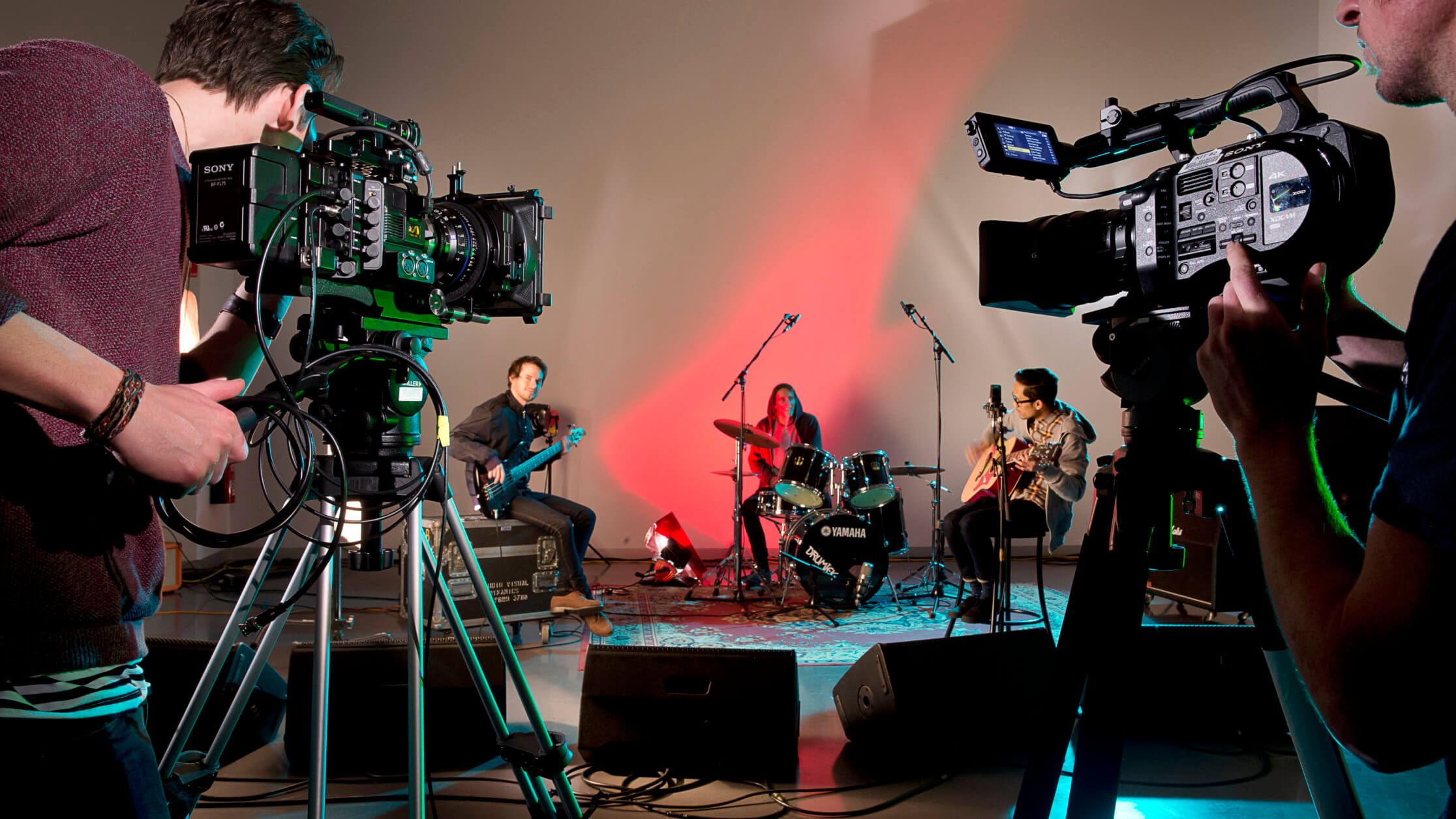
Course Information
Course Name: Production Design
Course Code: BFS403
Programme: Bachelor of Film Making and Film Production
Academic Year: 2025–2026
Course Lecturer: Yannick MURANGIRA
Credits: 10
Level/Semester: Year II, Trimester III
Delivery Mode: Face-to-face lectures with studio-based design workshops and practical production exercises
Welcome Message
Welcome to Production Design.
This course introduces you to the creative and technical processes involved in designing the visual world of film, television, and digital media productions. You will learn how to translate scripts into visual environments that support storytelling, character development, mood, and genre.
Through practical exercises and collaborative projects, you will develop the ability to design sets, props, and production spaces that enhance cinematic storytelling.
Lecturer: Yannick MURANGIRA
Course Overview
Production Design is a creative and technical course that introduces students to the principles and practices of designing the visual environment for film, television, theatre, and digital media productions. The course focuses on how visual elements such as sets, locations, props, costumes, colors, textures, and spatial arrangements contribute to storytelling and audience engagement.
Students learn the role of the production designer in interpreting scripts, collaborating with directors and cinematographers, developing visual concepts, and creating believable production environments. The course combines theoretical knowledge with practical studio and field-based activities to help students understand how artistic design supports narrative structure, mood, genre, and character development.
The course also explores budgeting, set construction, art direction, location design, production planning, and the use of digital tools in modern production design processes.
Learning Objectives
By the end of this course, students will be able to:
- Understand the principles and functions of production design in media production.
- Analyze scripts to identify visual and design requirements.
- Develop visual concepts that support storytelling and character development.
- Design sets, props, and production spaces for film and television projects.
- Apply color theory, texture, and spatial design techniques creatively.
- Collaborate effectively with directors, cinematographers, costume designers, and art departments.
- Prepare production design plans, sketches, and mood boards.
- Manage resources, budgeting, and scheduling for production design projects.
- Apply safety and professional standards during set construction and production activities.
- Evaluate production design elements used in professional media productions.
Learning Outcomes
Upon successful completion of the course, students will be able to:
- Explain the role and responsibilities of a production designer.
- Interpret scripts and transform ideas into visual production concepts.
- Create production design sketches, layouts, and mood boards.
- Design visually appealing and functional sets for different genres and formats.
- Select appropriate props, colors, and materials for storytelling purposes.
- Demonstrate creativity and problem-solving in production environments.
- Use digital and manual tools for production planning and visualization.
- Coordinate production design activities within a production team.
- Prepare basic budgets and schedules for production design projects.
- Produce professional-quality production design presentations and reports.
Assessment
Students will be assessed through:
- Continuous Assignments
- Practical Production Design Projects
- Mood Board and Concept Development Tasks
- Group Production Exercises
- Mid-Term Evaluation
- Final Production Design Portfolio
Learning Resources
- Lecturer’s Notes
- Production Design Textbooks
- Film Art Direction Case Studies
- Set Design and Architecture References
- Digital Design Tools Tutorials
- Mood Board and Concept Art Guides
- Moodle Learning Materials
Discussion Forum
Students are encouraged to:
- Share production design concepts and ideas
- Analyze film sets and visual environments
- Collaborate on design projects
- Discuss script interpretation and visual storytelling
- Review peer design work and presentations
Course Duration
15 Weeks
- Teacher: Yannick MURANGIRA

Course Information
Course Name: Production Design
Course Code: BFS 2302
Programme: Bachelor of Film Making and Film Production
Academic Year: 2025–2026
Course Lecturer: Jacques RUTABINGWA
Credits: 15
Level/Semester: Year II, Trimester III
Delivery Mode: Face-to-face lectures with studio-based design workshops and practical production exercises
Welcome Message
Welcome to Production Design.
This course introduces you to the art and craft of creating the visual world of film. You will learn how sets, locations, props, color schemes, and overall aesthetic choices work together to support storytelling, character development, and cinematic mood.
Through theory and practical exercises, you will develop the ability to design believable and expressive film environments while collaborating effectively with other production departments.
Course Overview
The Production Design course introduces students to the art and craft of creating the visual world of a film. It covers the conceptualization, planning, and execution of sets, locations, props, color schemes, and overall aesthetic style to support narrative themes and characters.
Through theory and hands-on practice, students learn how production designers collaborate with directors, cinematographers, and other departments to shape the look and feel of a film. The course emphasizes both creative vision and practical implementation in real production environments.
Learning Objectives
By the end of this course, students will be able to:
- Understand the role and responsibilities of the production designer.
- Analyze visual storytelling elements and how they support narrative themes.
- Learn design processes including mood boards, concept sketches, and storyboarding.
- Explore set construction, location design, prop selection, and color theory.
- Collaborate in teams to develop and present production design plans.
Learning Outcomes
Upon successful completion of the course, students will be able to:
- Interpret scripts to extract visual and spatial requirements.
- Develop design concepts that align with story, tone, and character.
- Create mood boards, sketches, and technical drawings for sets and environments.
- Apply principles of color, texture, and layout in film design.
- Communicate design ideas effectively to a production team and contribute to a cohesive visual style.
Assessment
Students will be assessed through:
- Continuous Assignments
- Practical Production Design Projects
- Mood Board and Concept Development Tasks
- Group Production Exercises
- Mid-Term Evaluation
- Final Production Design Portfolio
Learning Resources
- Lecturer’s Notes
- Production Design Textbooks
- Film Art Direction References
- Set Design and Visual Storytelling Case Studies
- Drawing and Concept Art Materials
- Digital Design Tools Tutorials
- Moodle Learning Materials
Discussion Forum
Students are encouraged to:
- Share production design ideas and concepts
- Analyze film aesthetics and visual styles
- Collaborate on group design projects
- Discuss script-to-visual interpretation
- Review and critique peer work
Course Duration
15 Weeks
- Teacher: JACQUES RUTABINGWA

Course Information
Course Name: Film Industry and Media Law
Course Code: BFS3501
Programme: Bachelor Of Arts In Film Studies With Honours
Academic Year: 2025–2026
Course Lecturer: Emmanuel HABINSHUTI
Credits: 15
Level/Semester: Year II, Semester III
Delivery Mode: Face-to-face with practical sessions and Moodle support
Welcome Message
Welcome to Film Industry and Media Law. This course introduces you to the legal frameworks, regulatory structures, and ethical principles that shape the film and media industries. Through this course, you will understand how law interacts with creativity, production, and distribution, as well as the rights and responsibilities of media professionals in both traditional and digital environments.
Course Overview
Film Industry and Media Law is a foundational legal course that examines the laws, policies, and regulations governing film and media production, distribution, and consumption. The course explores intellectual property rights, including copyright, trademarks, and moral rights, as they apply to creative works.
Students will also study contracts in the film industry such as talent agreements, licensing deals, and co-production contracts. In addition, the course addresses censorship, freedom of expression, defamation, and the emerging legal challenges brought by digital platforms, streaming services, and global content distribution.
Learning Objectives
The course aims to:
- Introduce students to legal frameworks governing film and media industries.
- Develop understanding of intellectual property rights in media content.
- Equip students with skills to analyze film industry contracts and agreements.
- Explore issues of censorship, freedom of expression, and defamation.
- Examine legal challenges in digital media and global distribution platforms.
Learning Outcomes
Upon successful completion of this course, students will be able to:
- Explain legal structures regulating the film and media industries.
- Identify and interpret intellectual property rights in media production.
- Analyze basic film contracts and licensing agreements.
- Evaluate legal and ethical issues in media production and distribution.
- Discuss the impact of digital platforms on media law and policy.
- Apply media law principles to real-world film industry situations.
Prerequisites
- Basic understanding of film production processes
- Basic knowledge of media and communication systems
- Interest in law, media ethics, and film industry operations
Learning Resources
- Lecture notes
- Case studies on media law
- Intellectual property law guides
- Film industry contract samples
- Online legal and media resources
- Moodle learning materials
Discussion Forum
Students will engage in:
- Case study discussions on media law
- Analysis of real film industry legal issues
- Group debates on censorship and freedom of expression
- Review of contracts and legal documents
- Online discussions via Moodle
Learning Activities
- Interactive lectures
- Case study analysis
- Group discussions and debates
- Contract analysis exercises
- Scenario-based legal problem solving
- Moodle-based assignments
Assessment
- Assignment: 10 Marks
- Continuous Assessment Test (CAT): 10 Marks
- Mid-Term Examination: 40 Marks
- Final Examination: 40 Marks
Course Duration
15 Weeks
- Teacher: Emmanuel HABINSHUTI

Course Information
Course Name: Business and Entrepreneurship
Course Code: BFS 2304
Programme: Bachelor Of Arts In Film Studies With Honours
Academic Year: 2025–2026
Course Lecturer:
Credits: 10
Level/Semester: Year II, Semester III
Delivery Mode: Face-to-face with practical sessions and Moodle support
Welcome Message
Welcome to Business and Entrepreneurship. This course introduces you to the principles of starting, managing, and growing a business. It equips you with entrepreneurial thinking skills needed to identify opportunities, assess risks, and develop sustainable business models in creative and commercial environments.
Course Overview
The Business and Entrepreneurship course introduces students to the principles of starting, managing, and growing a business. It covers key topics such as business planning, innovation, marketing, finance, operations, and leadership.
Students learn how to develop entrepreneurial mindsets, identify opportunities, assess risks, and create viable business models. The course combines theoretical knowledge with practical tools to prepare learners for real-world business environments or launching their own ventures.
Learning Objectives
The course aims to:
- Understand fundamental concepts in business and entrepreneurship.
- Develop and evaluate business ideas and models.
- Apply basic marketing, finance, and operational strategies.
- Create and present a business plan.
- Demonstrate leadership, teamwork, and problem-solving skills in entrepreneurial contexts.
Learning Outcomes
Upon successful completion of this course, students will be able to:
- Define entrepreneurship and explain its role in economic development.
- Analyze market needs and identify viable business opportunities.
- Design a startup business model using tools like the Business Model Canvas.
- Prepare and pitch a business plan with marketing, financial, and operational components.
- Demonstrate entrepreneurial thinking in decision-making and innovation.
Prerequisites
- Basic understanding of business concepts (recommended)
- Interest in entrepreneurship and creative industries
- Basic communication and analytical skills
Learning Resources
- Lecture notes
- Business and entrepreneurship textbooks
- Case studies of startups and SMEs
- Business Model Canvas templates
- Online entrepreneurship learning materials
- Moodle learning resources
Discussion Forum
Students will engage in:
- Business idea discussions
- Startup case study analysis
- Group entrepreneurship projects
- Business plan presentations
- Online Moodle discussions
Learning Activities
- Interactive lectures
- Group business idea development
- Case study analysis
- Business plan drafting
- Pitching and presentation sessions
- Moodle-based assignments
Assessment
- Assignment: 10 Marks
- Continuous Assessment Test (CAT): 10 Marks
- Mid-Term Examination: 40 Marks
- Final Examination: 40 Marks
Course Duration
15 Weeks
- Teacher: content creator
Course Information
Course Name: Advanced Sound Recording for Film
Course Code: BFS 2301
Programme: Bachelor Of Arts In Film Studies With Honours
Academic Year: 2025–2026
Course Lecturer: HABINSHUTI EMMANUEL
Credits: 10
Level/Semester: Year II, Semester III
Pre-requisites: None
Delivery Mode: Face-to-face with practical studio and field recording sessions, plus Moodle support
Welcome Message
Welcome to Advanced Sound Recording for Film. This module provides in-depth training in professional sound recording techniques used in film, television, and digital media production. You will develop advanced technical and creative skills required to capture, manage, and enhance high-quality audio that supports cinematic storytelling.
Course Overview
The Advanced Sound Recording for Film module provides in-depth training in the technical, creative, and problem-solving aspects of professional sound recording for film production. Building on foundational and intermediate skills, this course focuses on high-level recording techniques, complex multi-microphone setups, and advanced audio workflows.
Learners will explore specialized recording environments such as studio, outdoor, and soundstage settings while working with professional audio equipment including digital recorders, shotgun microphones, boom poles, lavalier microphones, and wireless systems.
The module also covers advanced synchronization techniques including timecode-based workflows, ADR (Automated Dialogue Replacement), and Foley sound integration. Emphasis is placed on troubleshooting audio challenges such as noise reduction, wind interference, echo control, and frequency management.
By the end of the module, students will be able to plan, execute, and manage professional sound recording workflows for film and media production.
Learning Objectives
The course aims to:
- Master advanced sound recording techniques for professional film production.
- Operate high-end audio equipment including recorders, microphones, and wireless systems.
- Design multi-microphone setups for dialogue, ambient sound, and Foley recording.
- Apply techniques for reducing noise, echo, and audio interference.
- Synchronize audio with video using timecode and digital tools.
- Execute ADR and Foley recording techniques for post-production enhancement.
- Troubleshoot complex audio issues in real-time production environments.
- Apply sound design principles to enhance storytelling and emotion.
- Collaborate effectively with film production teams.
- Prepare and mix audio to professional industry standards.
Learning Outcomes
Upon successful completion of this module, students will be able to:
- Demonstrate expert-level proficiency in film sound recording techniques.
- Operate advanced audio recording equipment professionally.
- Set up and manage multi-microphone recording environments.
- Control and reduce unwanted noise in different recording conditions.
- Apply synchronization techniques using timecode and clapper systems.
- Perform ADR and Foley recording for post-production enhancement.
- Solve advanced audio recording challenges in real time.
- Apply sound design principles in film production.
- Collaborate effectively with directors, cinematographers, and editors.
- Edit, mix, and master audio to industry standards.
Learning Resources
- Lecture notes
- Audio engineering textbooks
- Film sound production manuals
- Dolby and professional sound design references
- ADR and Foley practice materials
- Digital audio workstation tutorials (Pro Tools, etc.)
- Moodle learning materials
Learning Activities
- Interactive lectures
- Practical sound recording workshops
- Field recording exercises
- ADR and Foley studio sessions
- Group production projects
- Audio editing and mixing exercises
Assessment
- Assignment: 10 Marks
- Continuous Assessment Test (CAT): 10 Marks
- Mid-Term Examination: 40 Marks
- Final Examination: 40 Marks
Course Duration
15 Weeks
- Teacher: HABINSHUTI EMMANUEL
Course Information
Course Name: Advanced Cinematography
Course Code: BFS 2303
Programme: Bachelor Of Arts In Film Studies With Honours
Academic Year: 2025–2026
Course Lecturer: Franklyne MANONO
Credits: 10
Level/Semester: Year II, Semester III
Delivery Mode: Face-to-face with practical studio and on-location cinematography workshops and Moodle support
Welcome Message
Welcome to Advanced Cinematography. This module is designed to refine your technical and artistic skills in visual storytelling. You will explore advanced camera techniques, lighting design, composition, and movement to create powerful cinematic images that support narrative expression.
Course Overview
The Advanced Cinematography module is designed for students and professionals seeking to refine their technical expertise and artistic vision in film production. This course explores high-level cinematography techniques with emphasis on lighting, camera movement, composition, and visual storytelling.
Students will gain hands-on experience with professional cameras, lenses, stabilizers, and lighting equipment. The course also introduces advanced cinematographic concepts such as color grading, shot design, exposure control, and digital workflow management.
Through practical exercises and production-based learning, students will develop the ability to create visually compelling images that enhance narrative impact and meet professional industry standards.
Learning Objectives
The course aims to equip students with the ability to:
- Develop technical mastery in professional camera operation and lens usage.
- Apply advanced lighting techniques to enhance mood, depth, and storytelling.
- Understand and execute complex camera movement strategies.
- Use professional cinematography tools including dollies, cranes, stabilizers, and drones.
- Apply visual composition principles for strong cinematic storytelling.
- Understand basic digital workflow processes including color grading and shot planning.
Learning Outcomes
Upon successful completion of this module, students will be able to:
- Demonstrate proficiency in operating professional cinematography equipment.
- Apply advanced lighting setups including natural, artificial, and mixed lighting.
- Execute dynamic camera movements for narrative impact.
- Compose visually balanced and aesthetically strong shots.
- Analyze and implement cinematic styles for different genres.
- Collaborate effectively in professional film production environments.
Learning Resources
- Lecture notes
- Cinematography textbooks
- Camera operation manuals
- Lighting design guides
- Visual storytelling case studies
- Online cinematography tutorials
- Moodle learning materials
Learning Activities
- Interactive lectures
- Hands-on camera workshops
- Lighting setup exercises
- On-location shooting practice
- Group film production exercises
- Scene composition analysis
Assessment
- Assignment: 10 Marks
- Continuous Assessment Test (CAT): 10 Marks
- Mid-Term Examination: 40 Marks
- Final Examination: 40 Marks
Course Duration
15 Weeks
- Teacher: HABINSHUTI EMMANUEL
- Teacher: Franklyne MUDULIA MANONO
Course Information
Course Name: Film Industry & Media Law
Course Code: BFS 2305
Programme: Bachelor Of Arts In Film Studies With Honours
Academic Year: 2025–2026
Course Lecturer: HABINSHUTI EMMANUEL
Credits: 15
Level/Semester: Year II, Semester III
Delivery Mode: Face-to-face with practical sessions and Moodle support
Welcome Message
Welcome to Film Industry & Media Law. This course provides an in-depth understanding of the legal frameworks governing the film and media industries. As the entertainment industry continues to evolve, legal knowledge is essential for protecting intellectual property, managing contracts, and ensuring ethical and professional practice in media production and distribution.
Course Overview
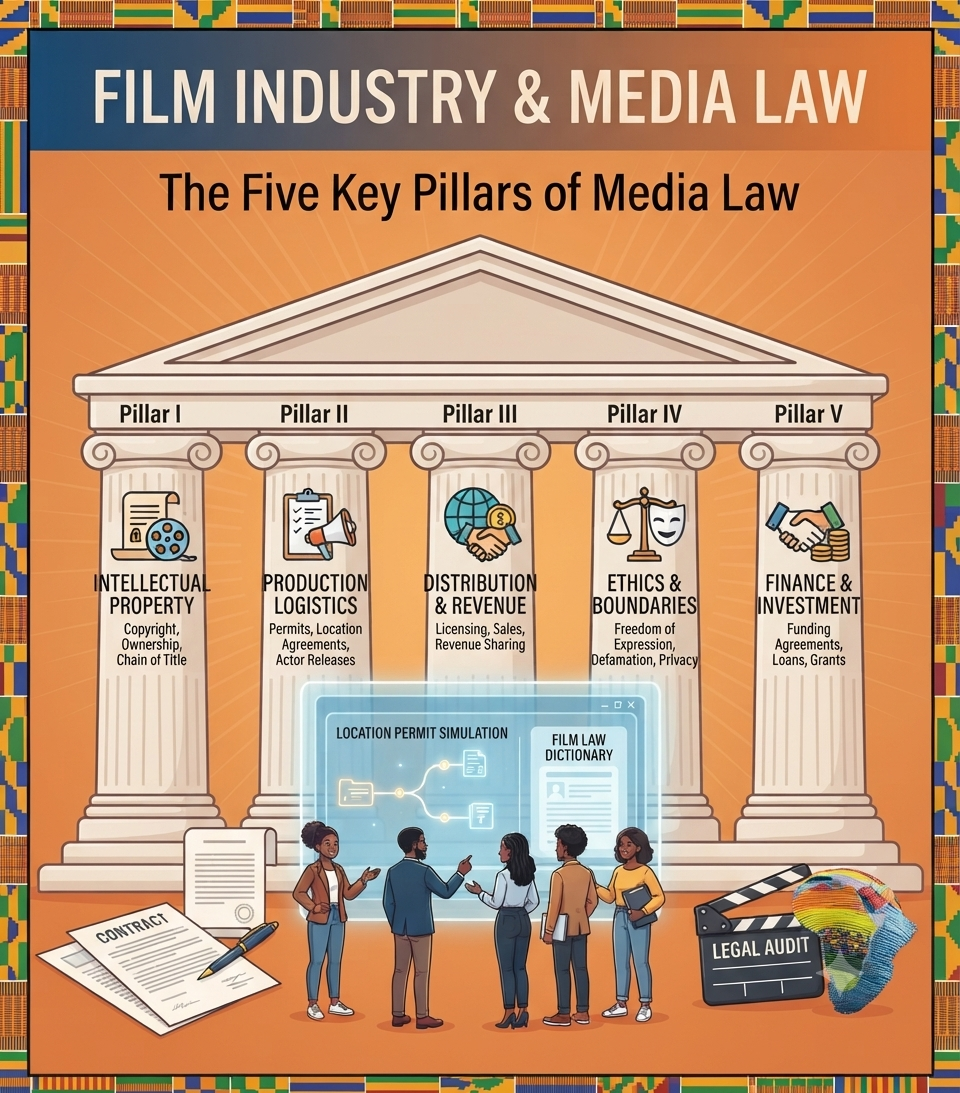
The Film Industry & Media Law course provides an in-depth understanding of the legal frameworks governing the film and media sectors. It examines how law intersects with creativity, production, and distribution in the entertainment industry.
The course explores key legal areas such as copyright law, intellectual property rights, contracts and licensing agreements, distribution rights, censorship regulations, privacy laws, and the impact of digital media on legal systems. It also includes case studies on media-related lawsuits, ethical challenges, and global media policy developments.
By the end of the course, students will be equipped with the legal knowledge required to navigate contracts, protect creative works, and operate within regulatory frameworks in film and media industries.
Learning Objectives
The course aims to:
- Introduce legal frameworks governing the film and media industry.
- Explore intellectual property rights including copyright, trademark, and related protections.
- Develop skills in analyzing contracts, licensing, and distribution agreements.
- Understand censorship, privacy, and media regulation policies.
- Examine ethical and legal issues in modern digital media environments.
Learning Outcomes
Upon successful completion of this course, students will be able to:
- Explain key legal principles governing the film and media industry.
- Apply intellectual property laws in film production and distribution contexts.
- Analyze and interpret film industry contracts and agreements.
- Evaluate legal and ethical issues in media production.
- Understand regulatory frameworks affecting digital and global media platforms.
Learning Resources
- Lecture notes
- Media law textbooks
- Intellectual property law references
- Case studies on film industry legal disputes
- Legal document samples (contracts, licensing agreements)
- Online legal research resources
- Moodle learning materials
Learning Activities
- Interactive lectures
- Case study analysis
- Contract interpretation exercises
- Group discussions and debates
- Legal scenario problem-solving
- Moodle-based assignments
Assessment
- Assignment: 10 Marks
- Continuous Assessment Test (CAT): 10 Marks
- Mid-Term Examination: 40 Marks
- Final Examination: 40 Marks
Course Duration
15 Weeks
- Teacher: HABINSHUTI EMMANUEL
Course Information
Course Name: Film Industry & Media Law
Course Code: BFS 2305
Programme: Bachelor of Arts in Film Studies with Honours
Academic Year: 2025–2026
Course Lecturer: Asher E. MUTIJIMA
Credits: 15
- Teacher: Asher mutijima