
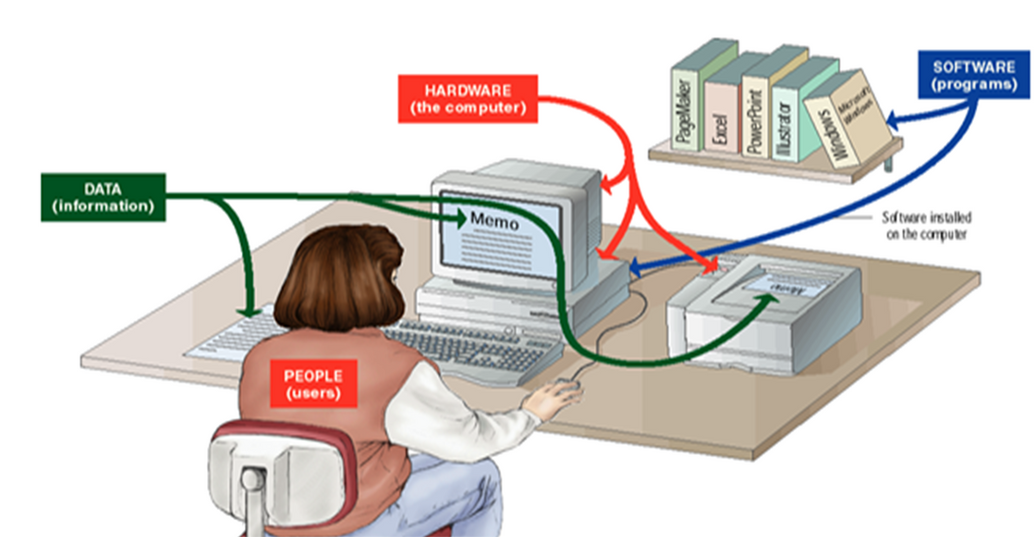
Course Information
Course Name: ICT II
Course Code: BFS2102
Programme: Bachelor of Film Making and Film Production
Academic Year: 2025–2026
Course Lecturer: Simon BIGIRIMANA
Credits: 10
Level/Semester: Year II, Trimester I
Delivery Mode: Face-to-face lectures with practical computer laboratory sessions
Welcome Message
Welcome to ICT II.
This course is designed to strengthen your knowledge and practical skills in Information and Communication Technology (ICT). Throughout the trimester, you will develop the competencies needed to use modern digital tools for academic, professional, and business applications. The course combines theoretical concepts with hands-on laboratory exercises to help you become proficient in office productivity software, data management, internet technologies, and digital collaboration.
You are encouraged to actively participate in practical sessions, complete all assignments, and apply the skills learned to real-world tasks.
Lecturer: Simon BIGIRIMANA
Course Overview
ICT II is an intermediate-level course designed to enhance students' knowledge and practical skills in Information and Communication Technology (ICT). The course builds on foundational ICT concepts by focusing on advanced computer applications, internet technologies, digital communication, data management, office productivity tools, and emerging technologies used in academic, business, and professional environments.
Students gain practical experience in using productivity software, online collaboration tools, spreadsheet analysis, presentation technologies, database management, internet research, and digital communication systems. The course also introduces learners to concepts of cybersecurity, cloud computing, digital ethics, and the responsible use of technology in modern workplaces.
The course emphasizes hands-on learning and problem-solving skills to prepare students for the efficient use of ICT tools in education, business, media, and organizational operations.
Learning Objectives
By the end of this course, students will be able to:
- Develop advanced skills in computer applications and office productivity tools.
- Use spreadsheets for calculations, data analysis, and chart creation.
- Design professional multimedia presentations.
- Manage and organize digital information effectively.
- Use internet and communication technologies safely and efficiently.
- Understand database concepts and basic data management techniques.
- Apply cybersecurity and digital safety practices.
- Utilize online collaboration and cloud-based technologies.
- Demonstrate responsible and ethical use of ICT resources.
- Solve practical problems using ICT tools and technologies.
Learning Outcomes
Upon successful completion of this course, students will be able to:
- Create and format professional documents using word processing software.
- Perform spreadsheet calculations using formulas and functions.
- Produce charts, tables, and reports for effective data presentation.
- Develop multimedia presentations with animations and visual effects.
- Use databases to store, retrieve, and manage information.
- Conduct effective internet research and online communication.
- Apply basic cybersecurity measures to protect digital systems and information.
- Collaborate using cloud computing and online productivity platforms.
- Demonstrate understanding of ICT ethics, privacy, and digital citizenship.
- Integrate ICT tools into academic, creative, and professional tasks effectively.
Assessment
Students will be assessed through:
- Continuous Assignments
- Quizzes
- Practical Computer Laboratory Exercises
- Mid-Term Examination
- Final Examination
Learning Resources
The following learning materials will support your studies:
- Lecturer's Notes
- ICT Textbooks and Reference Materials
- Computer Laboratory Manuals
- Microsoft Office and Productivity Software Documentation
- Database and Spreadsheet Tutorials
- Cybersecurity and Cloud Computing Resources
- Online Learning Videos
- Moodle Learning Materials
Discussion Forum
Students are encouraged to actively participate in classroom discussions and the Moodle discussion forum to:
- Ask questions and seek clarification.
- Share ideas and practical experiences.
- Discuss ICT concepts and emerging technologies.
- Collaborate on practical exercises and projects.
- Receive feedback from the lecturer and peers.
Course Duration
15 Weeks
- Teacher: Simon BIGIRIMANA

Course Information
Course Name: Film Analysis
Course Code: BFS1206
Programme: Bachelor of Film Making and Film Production
Academic Year: 2025–2026
Course Lecturer: Justina KHATAMBI
Credits: 15
Level/Semester: Year II, Trimestre I
Delivery Mode: Face-to-face lectures with film screenings, discussions, and analytical workshops
Welcome Message
Welcome to Film Analysis.
This course invites you to explore films beyond entertainment by examining how cinematic techniques communicate meaning, evoke emotions, and reflect cultural, social, and political realities. Throughout the trimester, you will learn to critically evaluate films using established theories and analytical frameworks while developing strong visual literacy and academic writing skills.
Active participation in film screenings, discussions, and analytical exercises will help you become a thoughtful and informed critic of cinema.
Lecturer: Justina KHATAMBI
Course Overview
Film Analysis is a course that introduces students to the critical study and interpretation of films as artistic, cultural, and communication texts. The course explores how filmmakers use cinematic elements such as narrative structure, cinematography, editing, sound, lighting, mise-en-scène, acting, and symbolism to communicate meaning and influence audiences.
Students learn methods and theories of film criticism and analysis while examining films from different genres, cultures, and historical periods. The course encourages critical thinking, visual literacy, and analytical writing through the study of storytelling techniques, film language, audience reception, and social representation in cinema.
Through screenings, discussions, written critiques, and practical analytical exercises, students develop the ability to evaluate films aesthetically, technically, culturally, and ideologically.
Learning Objectives
By the end of this course, students will be able to:
- Understand the principles and terminology of film analysis.
- Analyze narrative structures and cinematic storytelling techniques.
- Examine the use of cinematography, editing, sound, and lighting in films.
- Interpret themes, symbols, and messages conveyed through cinema.
- Apply film theories and critical approaches in analyzing films.
- Evaluate the cultural, social, and political significance of films.
- Develop critical viewing and visual literacy skills.
- Write organized and evidence-based film critiques and analyses.
- Compare different film genres, styles, and cinematic movements.
- Present analytical arguments effectively through oral and written communication.
Learning Outcomes
Upon successful completion of this course, students will be able to:
- Identify and explain key cinematic techniques used in film production.
- Analyze film narratives, characters, and visual storytelling methods.
- Apply critical and theoretical frameworks in film interpretation.
- Evaluate the relationship between film form and audience response.
- Discuss cultural and ideological representations in films.
- Differentiate between various film genres and cinematic styles.
- Conduct independent film critiques using academic standards.
- Demonstrate visual and media literacy skills.
- Communicate analytical ideas clearly in written and oral formats.
- Produce well-structured film analysis reports and presentations.
Assessment
Students will be assessed through:
- Continuous Assignments
- Quizzes
- Film Analysis Reports
- Individual and Group Presentations
- Mid-Term Examination
- Final Examination
Learning Resources
The following learning materials will support your studies:
- Lecturer's Notes
- Film Theory and Criticism Textbooks
- Selected Feature Films and Documentaries
- Academic Journal Articles
- Film Screening and Discussion Guides
- Online Film Analysis Resources
- Moodle Learning Materials
Discussion Forum
Students are encouraged to actively participate in classroom discussions and the Moodle discussion forum to:
- Share observations and interpretations of films.
- Discuss cinematic techniques and storytelling methods.
- Analyze themes, genres, and cultural representations.
- Exchange constructive feedback on film critiques.
- Engage in critical debates with classmates and the lecturer.
Course Duration
15 Weeks
- Teacher: Justina Khatambi

Course Information
Course Name: Interpersonal Communication Skills II
Course Code: BFS2103
Programme: Bachelor of Film Making and Film Production
Academic Year: 2025–2026
Course Lecturer: Nelson MWESIGYE
Credits: 10
Level/Semester: Year II, Trimester I
Delivery Mode: Face-to-face lectures with interactive discussions, role plays, presentations, and practical communication exercises
Welcome Message
Welcome to Interpersonal Communication Skills II.
Effective communication is essential for success in both personal and professional life. This course is designed to enhance your interpersonal communication abilities by developing advanced skills in verbal and non-verbal communication, active listening, teamwork, conflict resolution, negotiation, and professional interaction. Through practical activities and real-life communication scenarios, you will build the confidence and competence needed to communicate effectively in diverse environments.
You are encouraged to actively participate in discussions, simulations, presentations, and collaborative activities throughout the course.
Lecturer: Nelson MWESIGYE
Course Overview
Interpersonal Communication Skills II is an advanced communication course designed to strengthen students' ability to interact effectively in personal, academic, and professional contexts. The course builds on foundational communication skills by focusing on advanced verbal and non-verbal communication, active listening, emotional intelligence, conflict resolution, negotiation, teamwork, and professional communication in diverse environments.
Students explore how communication influences relationships, leadership, organizational success, and social interaction. The course emphasizes practical application through role plays, group discussions, presentations, simulations, and real-life communication scenarios. Special attention is given to communication barriers, intercultural communication, and digital communication in modern workplaces.
Learning Objectives
By the end of this course, students will be able to:
- Apply advanced interpersonal communication techniques in different contexts.
- Demonstrate effective active listening and constructive feedback skills.
- Manage interpersonal conflicts using appropriate communication strategies.
- Develop emotional intelligence in communication interactions.
- Communicate effectively in teams and collaborative environments.
- Use persuasive and assertive communication appropriately.
- Understand intercultural and diversity-related communication challenges.
- Improve professional communication in academic and workplace settings.
- Apply ethical communication principles in personal and professional life.
- Use digital communication tools effectively and responsibly.
Learning Outcomes
Upon successful completion of this course, students will be able to:
- Demonstrate effective verbal and non-verbal communication skills.
- Apply active listening techniques in different communication situations.
- Resolve conflicts using negotiation and mediation strategies.
- Communicate clearly and confidently in group discussions and presentations.
- Show emotional awareness and empathy in interactions with others.
- Adapt communication styles to different audiences and contexts.
- Work effectively in teams and collaborative environments.
- Demonstrate professional etiquette in workplace communication.
- Analyze communication barriers and propose appropriate solutions.
- Deliver structured and persuasive oral presentations.
Assessment
Students will be assessed through:
- Continuous Assignments
- Quizzes
- Role Plays and Communication Simulations
- Group Discussions and Presentations
- Mid-Term Examination
- Final Examination
Learning Resources
The following learning materials will support your studies:
- Lecturer's Notes
- Interpersonal Communication Textbooks
- Communication Skills Case Studies
- Professional Communication Guides
- Online Communication and Leadership Resources
- Videos on Public Speaking and Teamwork
- Moodle Learning Materials
Discussion Forum
Students are encouraged to actively participate in classroom discussions and the Moodle discussion forum to:
- Share experiences and communication strategies.
- Discuss interpersonal communication challenges.
- Exchange ideas on conflict resolution and teamwork.
- Practice constructive feedback and peer learning.
- Receive guidance and feedback from the lecturer.
Course Duration
15 Weeks
- Teacher: NELSON MWESIGYE

Course Information
Course Name: Film Analysis II
Course Code: BFS2101
Programme: Bachelor of Film Making and Film Production
Academic Year: 2025–2026
Course Lecturer: Jacques RUTABINGWA
Credits: 10
Level/Semester: Year II, Trimester I
Delivery Mode: Face-to-face lectures with film screenings, seminars, discussions, and analytical workshops
Welcome Message
Welcome to Film Analysis II.
This course builds upon the knowledge and skills acquired in Film Analysis I by introducing advanced approaches to the critical study of cinema. Throughout the trimester, you will explore influential film theories, auteur studies, global cinema traditions, and ideological interpretations of films. Through close analysis of selected films, you will develop the ability to evaluate cinematic techniques, storytelling, and cultural representation from an academic and professional perspective.
Active participation in film screenings, seminars, discussions, and analytical writing exercises is essential to your success in this course.
Lecturer: Jacques RUTABINGWA
Course Overview
Film Analysis II is an advanced course that deepens students' critical, theoretical, and practical understanding of cinema as an art form and cultural product. Building on Film Analysis I, this course focuses on advanced film theories, auteur studies, genre evolution, global cinema movements, and ideological readings of films.
Students engage in deeper analytical approaches including semiotics, psychoanalytic theory, feminist film theory, postcolonial critique, and political economy of cinema. The course also emphasizes comparative film analysis across cultures and historical periods, as well as close scene-by-scene breakdowns of cinematic techniques.
Through screenings, seminars, written critiques, and presentations, students develop advanced skills in interpreting meaning, evaluating directorial style, and critically engaging with films in academic and professional contexts.
Learning Objectives
By the end of this course, students will be able to:
- Apply advanced film theories in film analysis and criticism.
- Conduct in-depth scene-by-scene film breakdowns.
- Analyze auteur styles and directorial signatures.
- Evaluate ideological, cultural, and political meanings in films.
- Compare global cinema traditions and film movements.
- Critically assess representations of gender, race, class, and identity in films.
- Develop advanced academic film critique writing skills.
- Interpret symbolism, metaphors, and narrative complexity in cinema.
- Use professional film analysis terminology accurately.
- Conduct independent, research-based film studies.
Learning Outcomes
Upon successful completion of this course, students will be able to:
- Critically apply film theory frameworks to the analysis of film texts.
- Analyze films using advanced cinematic language and terminology.
- Evaluate the influence of auteurs on film style and storytelling.
- Compare and contrast international film movements and genres.
- Assess ideological, cultural, and political messages conveyed through cinema.
- Conduct detailed shot-by-shot and sequence analyses.
- Produce scholarly film analysis essays supported by research.
- Present critical interpretations of films in academic discussions and presentations.
- Demonstrate advanced visual literacy, critical thinking, and analytical skills.
- Engage in independent research-based film criticism.
Assessment
Students will be assessed through:
- Continuous Assignments
- Quizzes
- Film Analysis Essays and Critiques
- Individual and Group Presentations
- Mid-Term Examination
- Final Examination
Learning Resources
The following learning materials will support your studies:
- Lecturer's Notes
- Advanced Film Theory and Criticism Textbooks
- Selected International Feature Films and Documentaries
- Academic Journal Articles on Film Studies
- Film Screening and Analysis Guides
- Online Film Analysis Resources
- Moodle Learning Materials
Discussion Forum
Students are encouraged to actively participate in classroom discussions and the Moodle discussion forum to:
- Critically discuss films and cinematic techniques.
- Explore different theoretical perspectives on cinema.
- Share insights on global film movements and auteur studies.
- Exchange constructive feedback on analytical essays and presentations.
- Engage in academic debates and collaborative learning.
Course Duration
15 Weeks
- Teacher: JACQUES RUTABINGWA

Course Information
Course Name: Business and Entrepreneurship
Course Code:
Programme: Bachelor of Film Making and Film Production
Academic Year: 2025–2026
Course Lecturer: NGOMA Dieudonné
Credits: 10
Level/Semester: Year II, Trimestre I
Delivery Mode: Face-to-face lectures with interactive discussions, case studies, group work, and practical business planning exercises
Welcome Message
Welcome to Business and Entrepreneurship.
This course is designed to introduce you to the essential knowledge and skills needed to create, manage, and grow successful business ventures. It emphasizes entrepreneurial thinking, innovation, and practical business development skills that can be applied in real-world situations.
Throughout the course, you will explore how ideas are transformed into viable businesses, with a focus on creativity, problem-solving, financial literacy, and strategic planning. You will also develop a business mindset that supports independence and innovation in both creative and commercial industries.
Lecturer: NGOMA Dieudonné
Course Overview
Business and Entrepreneurship is a foundational course designed to equip students with knowledge, skills, and attitudes required to start, manage, and grow successful business ventures. The course introduces key concepts of business management, entrepreneurial thinking, innovation, opportunity identification, business planning, financial literacy, and risk management.
Students explore how businesses are created and operated in both local and global contexts, with emphasis on small and medium enterprises (SMEs), startups, and social entrepreneurship. The course encourages creativity, problem-solving, and innovation while helping students develop a practical understanding of how to turn ideas into viable business opportunities.
Learning Objectives
By the end of this course, students will be able to:
- Understand fundamental concepts of business and entrepreneurship.
- Identify and evaluate business opportunities in different environments.
- Develop entrepreneurial thinking and innovation skills.
- Create a basic business plan for a startup or small enterprise.
- Understand business operations including marketing, finance, and management.
- Apply problem-solving skills in business decision-making.
- Recognize risks and challenges in starting and running a business.
- Understand the role of SMEs in economic development.
- Demonstrate financial literacy in business contexts.
- Develop ethical and responsible business practices.
Learning Outcomes
Upon successful completion of the course, students will be able to:
- Explain key concepts and principles of business and entrepreneurship.
- Identify viable business ideas and opportunities in their environment.
- Develop and present a complete business plan.
- Apply basic marketing strategies to promote products or services.
- Perform simple financial planning and budgeting for a business.
- Demonstrate entrepreneurial problem-solving skills.
- Analyze market needs and customer behavior.
- Understand legal and ethical aspects of business operations.
- Evaluate risks and opportunities in business environments.
- Present and defend a business idea professionally.
Assessment
Students will be assessed through:
- Continuous Assignments
- Quizzes
- Group Business Project / Business Plan Development
- Presentations and Pitching Sessions
- Mid-Term Examination
- Final Examination
Learning Resources
The following learning materials will support your studies:
- Lecturer's Notes
- Business and Entrepreneurship Textbooks
- Case Studies of Startups and SMEs
- Financial Planning and Marketing Guides
- Online Business Development Resources
- Videos on Entrepreneurship and Innovation
- Moodle Learning Materials
Discussion Forum
Students are encouraged to actively participate in classroom discussions and the Moodle discussion forum to:
- Share business ideas and innovations.
- Discuss case studies and real-world business examples.
- Collaborate on group business projects.
- Practice pitching and presenting ideas.
- Receive feedback from peers and the lecturer.
Course Duration
15 Weeks
- Teacher: NGOMA Dieudonne

Course Information
Course Name: Visual Anthropology
Course Code: BFS2105
Programme: Bachelor of Film Making and Film Production
Academic Year: 2025–2026
Course Lecturer: Grace MUGABE
Credits: 15
Level/Semester: Year II, Trimestre I
Delivery Mode: Face-to-face lectures with practical fieldwork, visual documentation, and ethnographic film production exercises
Welcome Message
Welcome to Visual Anthropology.
This course explores the powerful relationship between visual media and the study of human cultures. It introduces you to photography, film, and digital media as essential tools for anthropological research, cultural documentation, and storytelling. You will learn how visual representation shapes our understanding of societies and how to ethically and effectively use visual methods to study human behavior, traditions, and social change.
Through a combination of theory and hands-on practice, you will develop skills in visual ethnography and cultural analysis.
Lecturer: Grace MUGABE
Course Overview
Visual Anthropology is a subfield of anthropology that focuses on the use of visual media—particularly photography, film, and digital media—as tools for research, representation, and cultural analysis. The course explores how images shape our understanding of different cultures and societies, and how anthropologists can use visual methods to document and interpret human behavior, traditions, and social change.
It combines theoretical discussions with practical training in visual documentation and ethnographic filmmaking. Students will engage in both analytical and production-based activities to understand how visual storytelling communicates cultural meaning.
Learning Objectives
By the end of this course, students will be able to:
- Understand the history and evolution of Visual Anthropology.
- Examine ethical, methodological, and analytical issues in visual research.
- Develop critical viewing skills for analyzing visual media in cultural contexts.
- Apply photography and video as anthropological research tools.
- Design and produce visual ethnographic or cultural research projects.
- Understand the relationship between culture, representation, and visual storytelling.
- Strengthen observational and documentation skills in field settings.
Learning Outcomes
Upon successful completion of the course, students will be able to:
- Explain the role of visual media in anthropological research and representation.
- Critically analyze ethnographic films and visual texts in terms of cultural meaning and bias.
- Apply visual methods in conducting anthropological fieldwork.
- Demonstrate understanding of ethical considerations in filming and photographing human subjects.
- Produce a short visual ethnographic project or film that communicates cultural insights effectively.
- Interpret cultural practices through visual documentation.
- Apply visual storytelling techniques in anthropological contexts.
Assessment
Students will be assessed through:
- Continuous Assignments
- Quizzes
- Fieldwork and Visual Documentation Exercises
- Short Ethnographic Film Project
- Mid-Term Examination
- Final Examination
Learning Resources
The following learning materials will support your studies:
- Lecturer’s Notes
- Visual Anthropology Textbooks
- Ethnographic Films and Documentaries
- Photography and Film Production Guides
- Academic Articles on Anthropology and Media
- Fieldwork Equipment Manuals
- Online Visual Research Resources
- Moodle Learning Materials
Discussion Forum
Students are encouraged to actively participate in classroom discussions and the Moodle discussion forum to:
- Share observations from fieldwork and visual projects.
- Discuss ethical issues in visual documentation.
- Analyze ethnographic films and cultural representations.
- Exchange feedback on visual storytelling techniques.
- Collaborate on research-based visual assignments.
Course Duration
15 Weeks
- Teacher: content creator

Course Information
Course Name: Production Techniques II
Course Code: BFS2104
Programme: Bachelor of Film Making and Film Production
Academic Year: 2025–2026
Course Lecturer: Justine KATHAMBI
Credits: 10
Level/Semester: Year II, Trimester I
Delivery Mode: Face-to-face lectures with intensive hands-on studio and field production workshops
Welcome Message
Welcome to Production Techniques II.
This course builds upon your foundational production knowledge and introduces you to advanced filmmaking practices used in professional production environments. You will develop the ability to manage complex film shoots, apply advanced cinematography and lighting techniques, coordinate production design, and solve real-world technical and logistical challenges on set.
Through practical, collaborative projects, you will strengthen your technical competence, creative decision-making, and leadership skills in film production.
Lecturer: Justine KATHAMBI
Course Overview
This course explores advanced production techniques used in professional filmmaking, building upon fundamental production knowledge. It covers complex workflows including advanced cinematography, sound design, lighting setups, production design, on-set problem-solving, and post-production coordination.
Students engage in intensive hands-on projects, learn how to manage real-world production challenges, and apply professional standards throughout the filmmaking process. The course emphasizes teamwork, planning, technical execution, and creative problem-solving in dynamic production environments.
Learning Objectives
By the end of this course, students will be able to:
- Master advanced tools and techniques in cinematography, lighting, and sound.
- Develop comprehensive production strategies for large-scale and multi-location shoots.
- Solve technical and logistical challenges encountered during principal photography.
- Integrate creative and technical decisions to enhance visual storytelling.
- Collaborate effectively in production teams with defined roles and responsibilities.
Learning Outcomes
Upon successful completion of this course, students will be able to:
- Analyze scripts for complex production requirements including effects, stunts, and continuity.
- Design and execute detailed production schedules and budgets for advanced film projects.
- Employ advanced lighting setups and camera movement techniques for cinematic impact.
- Coordinate production design and location logistics aligned with narrative goals.
- Demonstrate leadership and problem-solving skills in managing full-scale film shoots.
- Apply industry-level post-production workflows, including dailies management and color correction preparation.
Assessment
Students will be assessed through:
- Continuous Assignments
- Quizzes
- Practical Production Projects
- Group Film Production Exercises
- Mid-Term Evaluation
- Final Film Project Examination
Learning Resources
The following learning materials will support your studies:
- Lecturer’s Notes
- Film Production Handbooks
- Cinematography and Lighting Manuals
- Industry Case Studies and Production Reports
- Camera, Lighting, and Sound Equipment Guides
- Post-Production Workflow Tutorials
- Online Filmmaking Resources
- Moodle Learning Materials
Discussion Forum
Students are encouraged to actively participate in classroom discussions and the Moodle discussion forum to:
- Share production experiences and challenges.
- Discuss advanced cinematography, lighting, and sound techniques.
- Collaborate on group film production projects.
- Analyze real-world production workflows.
- Exchange feedback on creative and technical decisions.
Course Duration
15 Weeks
- Teacher: content creator

Course Information
Course Name: Scriptwriting Lab
Course Code: BFS1204
Programme: Bachelor of Film Making and Film Production
Academic Year: 2025–2026
Course Lecturer: Asher MUTIJIMA
Credits: 15
Level/Semester: Year II, Trimester I
Delivery Mode: Face-to-face workshops with intensive writing labs, peer reviews, and script development sessions
Welcome Message
Welcome to Scriptwriting Lab.
This course is a practical and creative space where you will develop professional scriptwriting skills for film, television, radio, and digital media. Through guided exercises, workshops, and continuous feedback, you will learn how to transform ideas into structured, engaging, and production-ready scripts.
You are expected to actively participate in writing sessions, peer reviews, and revisions in order to build strong storytelling and screenwriting competence.
Lecturer: Asher MUTIJIMA
Course Overview
Scriptwriting Lab is a practical, hands-on course designed to equip students with professional skills in writing scripts for film, television, radio, and digital media. The course focuses on storytelling techniques, narrative structure, character development, dialogue writing, formatting standards, and script development workflows used in the media and film industry.
Students engage in continuous writing exercises, workshops, peer reviews, and script development sessions to transform ideas into complete professional scripts. The course emphasizes creativity, originality, and industry-standard formatting while guiding students through the full scriptwriting process—from concept development to final draft.
By the end of the course, students will be able to write short film scripts, scene scripts, and basic episodic content suitable for production.
Learning Objectives
By the end of this course, students will be able to:
- Understand the fundamentals of scriptwriting for different media formats.
- Develop original story ideas and narrative concepts.
- Structure scripts using professional formatting standards.
- Create compelling characters and realistic dialogue.
- Apply storytelling models such as the three-act structure.
- Write clear and visually descriptive scene actions.
- Develop scripts for short films, TV scenes, and digital content.
- Edit and revise scripts based on constructive feedback.
- Collaborate effectively in script development workshops.
- Use scriptwriting software and tools professionally.
Learning Outcomes
Upon successful completion of the course, students will be able to:
- Produce properly formatted scripts for film and media production.
- Write engaging and structured narratives for different genres.
- Demonstrate strong character and dialogue development skills.
- Apply industry-standard screenplay formatting techniques.
- Convert story ideas into complete script drafts.
- Critically review and improve scripts through editing processes.
- Work collaboratively in scriptwriting teams or writers’ rooms.
- Present script concepts professionally for production approval.
- Adapt writing styles for different audiences and platforms.
- Produce a complete short film or scene script portfolio.
Assessment
Students will be assessed through:
- Continuous Writing Assignments
- Script Development Exercises
- Peer Review Workshops
- Short Film Script Submission
- Mid-Term Assessment
- Final Script Portfolio
Learning Resources
The following learning materials will support your studies:
- Lecturer’s Notes
- Screenwriting Handbooks
- Sample Film and Television Scripts
- Storytelling and Narrative Theory Texts
- Scriptwriting Software Guides (e.g., Final Draft, Celtx)
- Online Screenwriting Tutorials
- Film and TV Case Studies
- Moodle Learning Materials
Discussion Forum
Students are encouraged to actively participate in classroom discussions and the Moodle discussion forum to:
- Share story ideas and script drafts.
- Participate in peer script reviews.
- Discuss storytelling techniques and narrative structure.
- Analyze professional screenplays.
- Collaborate in writing exercises and workshops.
Course Duration
15 Weeks
- Teacher: Asher mutijima
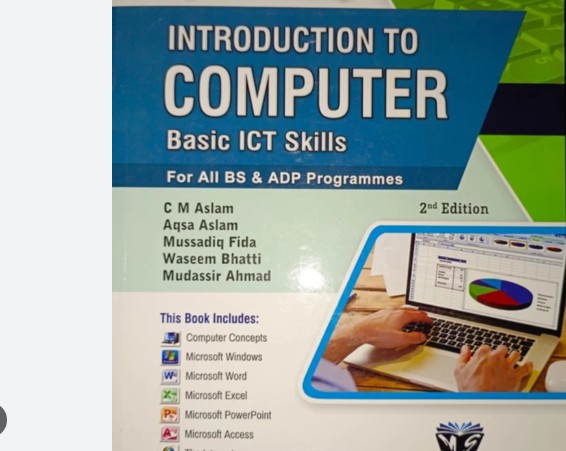
Course Information
Course Name: Computer Skills / ICT II
Course Code: BFS1207
Programme: Bachelor of Film Making and Film Production
Academic Year: 2025–2026
Course Lecturer: Dr. Jonathan NGUGI
Credits: 10
Level/Semester: Year II, Trimester I
Delivery Mode: Face-to-face lectures with practical computer laboratory sessions and hands-on ICT exercises
Welcome Message
Welcome to Computer Skills / ICT II.
This course is designed to strengthen your practical competence in using modern computer systems and digital tools for academic, professional, and creative work. It focuses on building advanced ICT skills that are essential in today’s digital environment, including office applications, internet technologies, data management, cybersecurity, and cloud-based collaboration.
Through guided laboratory sessions and practical assignments, you will develop confidence and efficiency in using ICT tools for real-world tasks in education, media, business, and administration.
Lecturer: Dr. Jonathan NGUGI
Course Overview
Computer Skills / ICT II is an intermediate practical course designed to strengthen students’ competence in using computers and digital technologies for academic, professional, and everyday tasks. The course builds on basic ICT knowledge by focusing on advanced applications of office software, internet services, data management, digital communication, and emerging ICT tools.
Students gain hands-on experience in word processing, spreadsheets, presentations, databases, online collaboration, cybersecurity awareness, and cloud computing. The course emphasizes productivity, accuracy, problem-solving, and responsible use of digital technologies in modern environments such as education, business, media, and administration.
Learning Objectives
By the end of this course, students will be able to:
- Use computer systems confidently for advanced academic and professional tasks.
- Apply advanced features of word processing, spreadsheets, and presentation software.
- Manage and organize digital data effectively.
- Use internet tools for research, communication, and collaboration.
- Understand and apply basic database management concepts.
- Demonstrate awareness of cybersecurity and digital safety practices.
- Use cloud-based tools for storage and teamwork.
- Apply ICT tools to solve real-world problems.
- Demonstrate ethical and responsible use of digital technology.
- Improve productivity using modern ICT applications.
Learning Outcomes
Upon successful completion of the course, students will be able to:
- Create professional documents using advanced formatting tools.
- Perform complex spreadsheet operations including formulas, charts, and data analysis.
- Design effective multimedia presentations.
- Use database software to store, retrieve, and manage information.
- Conduct efficient online research using credible sources.
- Use email and digital communication tools professionally.
- Apply cybersecurity practices to protect data and systems.
- Collaborate effectively using cloud platforms and online tools.
- Solve practical problems using ICT applications.
- Demonstrate ICT competence in academic and workplace environments.
Assessment
Students will be assessed through:
- Continuous Assignments
- Quizzes
- Practical Computer Laboratory Exercises
- Project-Based Tasks
- Mid-Term Examination
- Final Examination
Learning Resources
The following learning materials will support your studies:
- Lecturer’s Notes
- ICT Textbooks and Manuals
- Microsoft Office and Productivity Software Guides
- Database Management Tutorials
- Cybersecurity Awareness Resources
- Online Learning Videos and Tutorials
- Cloud Computing Guides
- Moodle Learning Materials
Discussion Forum
Students are encouraged to actively participate in classroom discussions and the Moodle discussion forum to:
- Share ICT tips and problem-solving techniques.
- Discuss software applications and digital tools.
- Collaborate on practical ICT assignments.
- Explore cybersecurity and digital safety topics.
- Exchange ideas on technology use in education and media.
Course Duration
15 Weeks
- Teacher: Dr.Jonathan Ngugi