
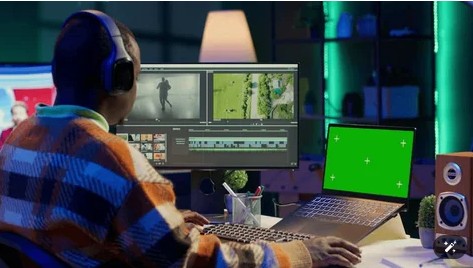
Course Information
Course Name: Introduction to Digital Editing
Course Code: BFS1104
Programme: Bachelor Of Arts In Film Studies With Honours
Academic Year: 2025–2026
Course Lecturer: Simon Mutunga
Credits: 10
Level/Semester: Year I, Semester I
Delivery Mode: Face-to-face with practical sessions and Moodle support
Welcome Message
Welcome to Introduction to Digital Editing. This course introduces you to the essential skills and techniques used in digital post-production for audio, video, and multimedia content. Through hands-on practice with industry-standard editing software, you will learn how to transform raw media into professional productions for film, television, radio, and online platforms.
Course Overview
Introduction to Digital Editing is a practical course that equips students with fundamental skills in editing audio, video, and multimedia content using modern digital tools. The course covers post-production processes including cutting, sequencing, transitions, sound editing, color correction, basic visual effects, and professional editing workflows. Students gain practical experience using industry-standard software to produce engaging and high-quality media content.
Learning Objectives
The course aims to:
- Introduce the principles of digital editing and post-production.
- Develop practical audio and video editing skills.
- Familiarize students with industry-standard editing software and workflows.
- Enhance visual storytelling through effective editing techniques.
- Develop professional standards for media editing and production.
Learning Outcomes
Upon successful completion of this course, students will be able to:
- Edit audio and video content using digital editing software.
- Apply trimming, cutting, sequencing, and transition techniques.
- Synchronize audio and video effectively.
- Improve media quality through color correction and sound editing.
- Produce short, professionally edited multimedia projects.
- Demonstrate storytelling techniques through effective editing.
- Follow standard post-production workflows in media production.
Prerequisites
- Basic computer literacy.
- Basic understanding of multimedia and media production concepts.
- Interest in film, television, or digital media production.
Learning Resources
- Lecture notes
- Adobe Premiere Pro tutorials
- Adobe Audition tutorials
- Sample video and audio files
- Recommended textbooks
- Online learning videos
- Moodle learning materials
- Discussion Forum
Learning Activities
- Interactive lectures
- Software demonstrations
- Hands-on editing exercises
- Practical laboratory sessions
- Group discussions
- Multimedia production projects
- Peer review and feedback
Assessment
- Assignment: 10 Marks
- Continuous Assessment Test (CAT): 10 Marks
- Mid-Term Examination: 40 Marks
- Final Examination: 40 Marks
Course Duration
15 Weeks
- Teacher: simon Mutunga

Course Information
Course Name: Visual Anthropology
Course Code: BFS 2105
Programme: Bachelor of Arts In Film Studies With Honours
Academic Year: 2025–2026
Course Lecturer: Mugabe Grace
Credits: 10
Level/Semester: Year I, Semester I
Delivery Mode: Face-to-face with practical sessions and Moodle support
Welcome Message
Welcome to Visual Anthropology. This course explores how photography, film, and other visual media are used to study, document, and represent human cultures and societies. Through theoretical discussions and practical activities, you will develop the skills to create ethical and meaningful visual narratives.
Course Overview
Visual Anthropology is an interdisciplinary course that examines how visual media can be used to study, document, and communicate cultural practices, identities, and social life. The course introduces students to ethnographic photography, documentary filmmaking, visual analysis, and ethical approaches to representing individuals and communities. It emphasizes critical thinking, cultural sensitivity, and responsible visual storytelling.
Learning Objectives
The course aims to:
- Introduce the principles of visual anthropology and ethnographic research.
- Explore the use of visual media in documenting and interpreting cultures.
- Develop skills in ethnographic photography and video production.
- Examine ethical issues in visual representation and cultural documentation.
- Promote critical analysis of culture, identity, and media representation.
Learning Outcomes
Upon successful completion of this course, students will be able to:
- Explain key concepts and theories of visual anthropology.
- Produce basic ethnographic photo and video documentation.
- Analyze cultures using visual research methods.
- Apply ethical standards when documenting people and communities.
- Create short ethnographic visual stories.
- Critically evaluate media representations of cultures and societies.
Prerequisites
- Basic knowledge of media and communication.
- Basic photography or video production skills.
- Basic computer literacy.
Learning Resources
- Lecture notes
- Recommended textbooks
- Ethnographic films and documentaries
- Photography and video case studies
- Online learning videos
- Moodle learning materials
- Discussion Forum
Learning Activities
- Interactive lectures
- Film screenings and discussions
- Photo and video documentation exercises
- Ethnographic fieldwork
- Group discussions
- Visual storytelling projects
- Peer review and presentations
Assessment
- Assignment: 10 Marks
- Continuous Assessment Test (CAT): 10 Marks
- Mid-Term Examination: 40 Marks
- Final Examination: 40 Marks
Course Duration
15 Weeks
- Teacher: Mugabe Grace

Course Information
Course Name: Introduction to Sound Recording
Course Code: IF001
Programme: Bachelor of making & Film Production
Academic Year: 2025–2026
Course Lecturer: ___________________
Credits: 10
Level/Semester: Year I, Semester I
Delivery Mode: Face-to-face with practical studio sessions and Moodle support
Welcome Message
Welcome to Introduction to Sound Recording. This course introduces you to the essential principles and practices of audio recording for music, film, broadcasting, and multimedia production. Through theory and hands-on studio work, you will develop the skills needed to capture, edit, and produce high-quality sound.
Course Overview
This course introduces students to the fundamental principles and practices of sound recording. Students will learn the basics of audio technology, recording equipment, microphone techniques, sound editing, and audio production processes used in music, broadcasting, film, and multimedia industries. The course combines theoretical knowledge with practical studio experience to build essential professional audio production skills.
Learning Objectives
By the end of this course, students should be able to:
- Understand basic concepts of sound and audio recording.
- Identify and operate common sound recording equipment.
- Apply proper microphone placement and recording techniques.
- Explain digital and analog audio systems.
- Record, edit, and mix audio using digital tools.
- Apply basic sound production techniques in different environments.
- Observe studio safety and professional recording standards.
Learning Outcomes
Upon successful completion of this course, students will be able to:
- Define key concepts related to sound recording and audio production.
- Differentiate between analog and digital audio systems.
- Set up and configure basic recording equipment.
- Use microphones effectively for different recording purposes.
- Record high-quality audio in studio and field settings.
- Edit and mix audio using DAW software.
- Produce a simple independent audio recording project.
- Demonstrate teamwork and professionalism during recording sessions.
Prerequisites
- Basic computer literacy.
- Interest in audio production or media studies.
Learning Resources
- Lecture notes
- Audio production textbooks
- Studio recording equipment manuals
- DAW software tutorials (e.g., Audacity, Adobe Audition, Pro Tools)
- Online video tutorials
- Moodle learning materials
- Discussion Forum
Learning Activities
- Interactive lectures
- Studio recording practice sessions
- Microphone technique exercises
- Audio editing workshops
- Group recording projects
- Listening and critique sessions
- Peer feedback and review
Assessment
- Assignment: 10 Marks
- Continuous Assessment Test (CAT): 10 Marks
- Mid-Term Examination: 40 Marks
- Final Examination: 40 Marks
Course Duration
15 Weeks
- Teacher: Edison ISHIMWE

Course Information
Course Name: Introduction to Cinematography
Course Code: BFS1102
Programme: Bachelor of Film making and Film Production
Academic Year: 2025–2026
Course Lecturer: Valens NDAHINDURWA
Credits: 10
Level/Semester: Year I, Semester I
Delivery Mode: Face-to-face with practical studio and field shooting sessions
Welcome Message
Welcome to Introduction to Cinematography. This course introduces you to the art and technique of visual storytelling through motion pictures. You will learn how camera work, lighting, composition, and movement are used to create meaning, mood, and emotional impact in film and video production.
Course Overview
Introduction to Cinematography is a foundational practical and theoretical course that explores how cinematographers create visual narratives using camera operation, lighting, framing, movement, lens selection, and exposure control. The course combines theory with hands-on practice in both studio and outdoor environments, enabling students to develop essential skills in visual storytelling and film production.
Learning Objectives
By the end of this course, students should be able to:
- Understand the basic principles and functions of cinematography.
- Operate digital video cameras and related equipment effectively.
- Apply shot composition and framing techniques in production.
- Understand camera movements and their narrative functions.
- Use lighting techniques to enhance visual storytelling.
- Control exposure, focus, and depth of field in filming.
- Differentiate between lenses and their cinematic effects.
- Apply visual continuity principles in production.
- Collaborate effectively in a film production team.
- Produce simple but visually engaging video scenes.
Learning Outcomes
Upon successful completion of the course, students will be able to:
- Demonstrate proper camera handling and operation skills.
- Apply composition, framing, and visual storytelling techniques.
- Execute appropriate camera movements in different scenes.
- Use lighting and exposure creatively in film production.
- Select suitable lenses for specific cinematic purposes.
- Maintain visual continuity in shot sequencing.
- Analyze cinematography techniques in professional films.
- Work effectively in studio and field production environments.
- Produce short cinematic scenes with technical accuracy.
- Evaluate visual quality in film and video work.
Prerequisites
- Basic computer literacy
- Interest in film and visual media production
Learning Resources
- Lecture notes
- Cinematography textbooks
- Camera operation manuals
- Film analysis case studies
- Online video tutorials
- Studio lighting guides
- Moodle learning materials
- Discussion Forum
Learning Activities
- Interactive lectures
- Camera handling exercises
- Lighting practical sessions
- Shot composition workshops
- Group filming projects
- Field production exercises
- Film screenings and analysis
- Peer review and critique sessions
Assessment
- Assignment: 10 Marks
- Continuous Assessment Test (CAT): 10 Marks
- Mid-Term Examination: 40 Marks
- Final Examination: 40 Marks
- Teacher: Valens ndahindurwa

Course Information
Course Name: Introduction to Script writing
Course Code: BFS1104
Programme: Bachelor of Film making and Film Production
Academic Year: 2024–2025
Course Lecturer: Simon MUTUNGA
Email: mutungathefilmaker@gmail.com
Credits: 10
Level/Semester: Year I, Semester I
Delivery Mode: Face-to-face with practical writing workshops and Moodle support
Welcome Message
Welcome to Introduction to Script writing. This course introduces you to the art and craft of writing scripts for film. You will learn how stories are structured, how characters are developed, and how ideas are transformed into professional screenplay formats ready for production.
Course Overview
This course introduces students to the foundational principles of writing scripts for film, focusing on storytelling structure, character development, dialogue, and visual writing techniques. Students will analyze classic and contemporary screenplays and engage in practical writing exercises. The course emphasizes the three-act structure, screenplay formatting standards, narrative development, and the collaborative role of the screenwriter in filmmaking.
Learning Objectives
By the end of this course, students should be able to:
- Understand the fundamental elements of film storytelling, including plot, character, setting, and theme.
- Learn professional screenplay structure and formatting standards.
- Explore narrative techniques such as conflict, turning points, and resolution.
- Analyze film scripts for dialogue, pacing, and subtext.
- Develop and pitch original story ideas for film.
- Understand the role of the screenwriter in film production collaboration.
Learning Outcomes
Upon successful completion of the course, students will be able to:
- Apply the three-act structure and other narrative frameworks in screenplay writing.
- Create strong characters with clear goals, motivations, and development arcs.
- Write original scenes and dialogue that advance story and reveal character.
- Format screenplays using standard industry conventions.
- Critically evaluate and revise scripts based on feedback.
- Present story ideas using loglines, treatments, and pitch presentations.
- Collaborate with peers to refine and develop script projects.
Prerequisites
- Basic communication and writing skills
- Interest in storytelling and film production
- Basic computer literacy
Learning Resources
- Lecture notes
- Screenplay examples (classic and contemporary films)
- Screenwriting textbooks
- Online tutorials and videos
- Scriptwriting software (e.g., Celtx, Final Draft)
- Moodle learning materials
- Discussion Forum
Learning Activities
- Interactive lectures
- Script analysis exercises
- Creative writing workshops
- Scene writing assignments
- Group story development sessions
- Peer review and feedback
- Script pitching presentations
Assessment
- Group Assignment: 10 Marks
- Continuous Assessment Test (CAT): 10 Marks
- Mid-Term Examination: 40 Marks
- Final Examination: 40 Marks
Course Duration
15 Weeks
- Teacher: content creator

Course Information
Course Name: Introduction to Cinematography
Course Code: BFS1102
Programme: Bachelor of Film Making and Production
Academic Year: 2025–2026
Course Lecturer: Valens NDAHINDURWA
Credits: 15
Level/Semester: Year I, Semester I
Delivery Mode: Face-to-face with practical studio and field shooting sessions
Welcome Message
Welcome to Introduction to Cinematography. This course introduces you to the art and technique of visual storytelling through motion pictures. You will learn how camera work, lighting, composition, and movement are used to create meaning, mood, and visual impact in film production.
Course Overview
This course introduces the fundamental principles of film cinematography, including visual storytelling, camera operation, shot composition, lens selection, camera movement, lighting techniques, and production planning. Students combine theory with practical exercises to develop essential skills in capturing high-quality and expressive visual images for film and video production.
Learning Objectives
By the end of the course, students should be able to:
- Understand the basic principles and functions of cinematography.
- Operate digital video cameras and related equipment effectively.
- Apply shot composition and framing techniques in visual storytelling.
- Understand camera movements and their narrative functions.
- Use lighting techniques to enhance visual storytelling.
- Develop skills in planning and executing basic film shots.
Learning Outcomes
Upon successful completion of the course, students will be able to:
- Demonstrate proper camera handling and operation skills.
- Apply composition and framing techniques in film production.
- Execute basic camera movements effectively.
- Use lighting and exposure creatively in visual storytelling.
- Select appropriate lenses for different shooting situations.
- Maintain visual continuity in simple film sequences.
- Produce short cinematic scenes with technical accuracy.
Assessment
- Group Assignment: 10 Marks
- Continuous Assessment Test (CAT): 10 Marks
- Mid-Term Examination: 40 Marks
- Final Examination: 40 Marks
Learning Resources
- Lecture notes
- Cinematography textbooks
- Camera operation manuals
- Lighting and filming tutorials
- Film case studies
- Online video resources
- Discussion Forum
Course Duration
15 Weeks
- Teacher: content creator

Course Information
Course Name: Introduction to Digital Editing
Course Code: BFS1104
Programme: Bachelor of Bachelor Of Arts In Film Studies With Honours
Academic Year: 2025–2026
Course Lecturer: Rutabingwa Jacques
Credits: 15
Level/Semester: Year I, Semester I
Delivery Mode: Face-to-face with practical editing lab sessions and Moodle support
Welcome Message
Welcome to Introduction to Digital Editing. This course introduces you to the essential skills of editing moving images and sound for film and digital media. You will learn how to transform raw footage into structured, meaningful, and engaging visual stories using professional editing software.
Course Overview
This module is designed to introduce students to the key skills of digital editing within the field of digital filmmaking. It covers preparation and organization of moving-image materials, continuity editing and non-narrative editing approaches, and the understanding of digital formats and codecs for importing and exporting media files. The course also introduces audio editing and basic color correction. Students will use Adobe Premiere Pro to complete practical exercises and a final editing project based on multi-camera DSLR footage captured in team-based productions.
Learning Objectives
By the end of this course, students should be able to:
- Understand the role of editing in film and media production.
- Operate digital editing software effectively (Adobe Premiere Pro).
- Apply basic principles of video and audio editing.
- Organize and manage digital media files professionally.
- Perform cuts, transitions, and sequence editing.
- Synchronize audio and video accurately.
- Apply titles, captions, and basic visual effects.
- Perform introductory color correction and audio enhancement.
- Export edited content in appropriate digital formats.
- Demonstrate creativity and technical competence in editing projects.
Learning Outcomes
Upon successful completion of the course, students will be able to:
- Demonstrate proficiency in basic non-linear editing workflows.
- Edit short video productions using professional software.
- Apply continuity and pacing principles in editing.
- Use transitions and effects appropriately to support storytelling.
- Manage editing timelines and project files efficiently.
- Synchronize dialogue, music, and sound effects effectively.
- Apply basic color grading and audio correction techniques.
- Export projects for cinema, television, and online platforms.
- Critically evaluate the quality of edited media productions.
Assessment
- Group Assignment: 10 Marks
- Continuous Assessment Test (CAT): 10 Marks
- Mid-Term Examination: 40 Marks
- Final Examination: 40 Marks
Learning Resources
- Lecture notes
- Adobe Premiere Pro tutorials
- Video editing textbooks
- Sample project footage
- Online video learning platforms
- Editing workflow guides
- Discussion Forum
Course Duration
15 Weeks
- Teacher: Edison ISHIMWE

- Teacher: Aline k


Course Information
Course Name: Principles of Scriptwriting
Course Code: BFS1105
Programme: Bachelor of Film Making and Production
Academic Year: 2025–2026
Course Lecturer: Asher MUTIJIMA
Credits: 15
Level/Semester: Year I, Semester I
Delivery Mode: Face-to-face with scriptwriting workshops and Moodle support
Welcome Message
Welcome to Principles of Scriptwriting. This course introduces you to the art and craft of writing scripts for film and other media. You will learn how to transform ideas into structured narratives, develop compelling characters, and write professional scripts ready for production.
Course Overview
Principles of Scriptwriting is a foundational course that introduces students to the essential techniques of writing scripts for film, television, radio, theatre, and digital media. The course focuses on storytelling, narrative structure, character development, dialogue writing, scene construction, and visual storytelling. Through practical exercises and workshops, students develop creativity, originality, and professional scriptwriting skills.
Learning Objectives
By the end of this course, students should be able to:
- Understand the basic principles of scriptwriting and storytelling.
- Develop original story ideas and narrative concepts.
- Apply script structure and plot development techniques.
- Create believable and engaging characters.
- Write realistic and purposeful dialogue.
- Use professional script formatting standards.
- Construct visually effective and dramatic scenes.
- Analyze and revise scripts critically.
- Demonstrate creativity and originality in writing.
- Produce complete short scripts suitable for production.
Learning Outcomes
Upon successful completion of the course, students will be able to:
- Explain the fundamentals of scriptwriting and storytelling.
- Develop structured narratives with clear beginning, middle, and ending.
- Write properly formatted scripts for different media formats.
- Create strong characters and character relationships.
- Construct effective dialogue and dramatic scenes.
- Apply visual storytelling techniques in script development.
- Edit and improve scripts through revision and feedback.
- Critically analyze professional scripts.
- Present script ideas clearly and confidently.
Assessment
- Assignments
- Quizzes
- Practical writing exercises
- Mid-Term Examination
- Final Examination
Learning Resources
- Lecture notes
- Scriptwriting textbooks
- Sample professional scripts
- Film and TV screenplay case studies
- Online tutorials and videos
- Scriptwriting software (e.g., Celtx, Final Draft)
- Moodle learning materials
- Discussion Forum
Course Duration
15 Weeks
- Teacher: Asher mutijima