
Course Information
Course Name: Mathematics Analysis I
Course Code: MAT1101
Programme: Bachelor of Education with Honours in Mathematics and Physics
Academic Year: 2025–2026
Course Lecturer:
Credits: 10
Level/Semester: Year I, Trimestre I
Delivery Mode: Lectures, tutorials, problem-solving sessions, assignments, and Moodle support.
Welcome Message
Welcome to Mathematics Analysis I.
This course introduces the foundations of mathematical analysis, emphasizing logical reasoning, functions, limits, continuity, differentiation, and their applications.
Course Overview
Students study real number systems, functions, limits, continuity, derivatives, applications of differentiation, mathematical proofs, and introductory concepts of integration.
Learning Objectives
Students should be able to:
- Understand fundamental concepts of mathematical analysis.
- Analyze functions and limits.
- Apply differentiation techniques.
- Develop mathematical reasoning.
- Solve analytical problems.
Learning Outcomes
Students will be able to:
- Evaluate limits and continuity.
- Differentiate functions accurately.
- Solve optimization problems.
- Apply analytical methods.
- Construct mathematical proofs.
- Teacher: Edison ISHIMWE
Course Information
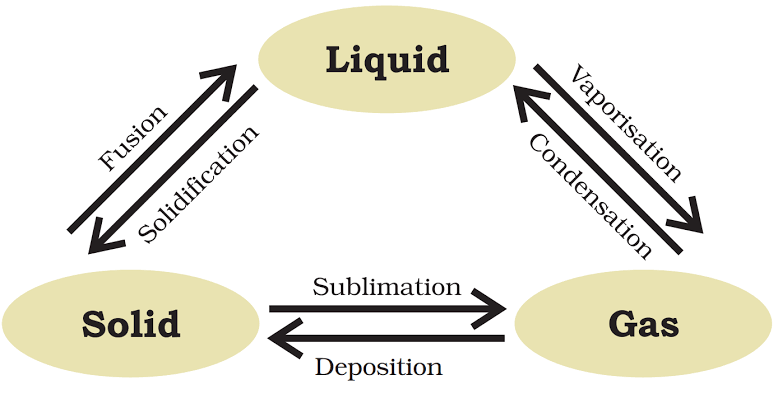
Course Name: Properties of Matter and Thermodynamics
Course Code: PHY1102
Programme: Bachelor of Education with Honours in Mathematics and Physics
Academic Year: 2025–2026
Course Lecturer:
Credits: 10
Level/Semester: Year I, Trimestre I
Delivery Mode: Lectures, laboratory practical sessions, tutorials, demonstrations, and Moodle support.
Welcome Message
Welcome to Properties of Matter and Thermodynamics.
This course introduces students to the physical properties of matter and the fundamental principles governing heat, temperature, and energy transfer.
Course Overview
The course covers elasticity, surface tension, viscosity, fluid mechanics, kinetic theory of gases, temperature, heat transfer, laws of thermodynamics, entropy, thermal properties of matter, and applications in science and engineering.
Learning Objectives
Students should be able to:
- Understand the physical properties of matter.
- Explain thermodynamic principles.
- Analyze heat transfer processes.
- Apply gas laws and thermodynamic equations.
- Perform laboratory investigations.
Learning Outcomes
Students will be able to:
- Explain the properties of solids, liquids, and gases.
- Apply the laws of thermodynamics.
- Analyze thermal systems.
- Solve quantitative thermodynamics problems.
- Conduct experiments related to heat and matter.
- Teacher: Edison ISHIMWE

Course Information
Course Name: Humanities
Course Code: HUM1101
Programme: Bachelor of Education with Honours in Mathematics and Physics
Academic Year: 2025–2026
Course Lecturer: TBA (To Be Announced)
Credits: 10
Level/Semester: Year I, Trimestre I
Delivery Mode: Lectures, discussions, seminars, presentations, and Moodle support.
Welcome Message
Welcome to Humanities.
This course introduces students to the study of human culture, philosophy, ethics, history, literature, and society. It encourages critical thinking, ethical reasoning, and appreciation of human diversity.
Course Overview
Students explore major ideas, cultures, civilizations, values, ethics, citizenship, human rights, and contemporary social issues while developing analytical and communication skills.
Learning Objectives
Students should be able to:
- Understand the role of humanities.
- Appreciate cultural diversity.
- Develop ethical reasoning.
- Analyze social issues.
- Improve critical thinking skills.
Learning Outcomes
Students will be able to:
- Explain key concepts in humanities.
- Analyze cultural and social issues.
- Demonstrate ethical decision-making.
- Appreciate diversity.
- Communicate informed opinions.
Assessment Methods
- Assignment: 10 Marks
- Continuous Assessment Test (CAT): 10 Marks
- Mid-Term Examination: 40 Marks
- Final Examination: 40 Marks
Course Duration
15 Weeks
- Teacher: Edison ISHIMWE
Course Information
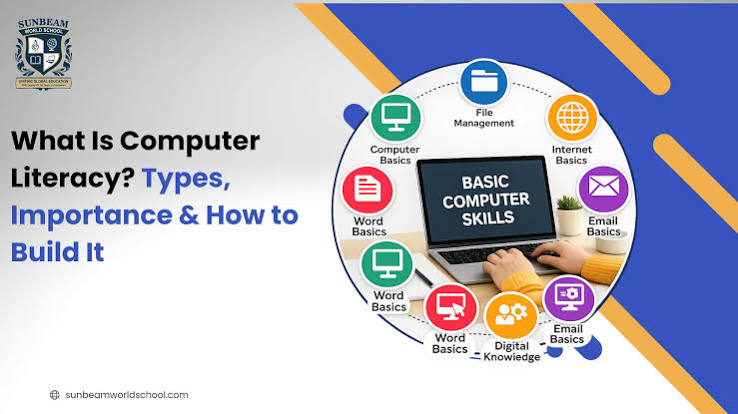
Course Name: Computer Literacy
Course Code: COL1101
Programme: Bachelor of Education with Honours in Mathematics and Physics
Academic Year: 2025–2026
Course Lecturer:
Credits: 10
Level/Semester: Year I, Trimestre I
Delivery Mode: Computer laboratory practical sessions, lectures, demonstrations, assignments, and Moodle support.
Welcome Message
Welcome to Computer Literacy.
This course introduces students to fundamental computer knowledge and digital skills required for academic studies and professional practice.
Course Overview
Students learn computer hardware and software fundamentals, operating systems, word processing, spreadsheets, presentations, internet applications, email communication, cybersecurity awareness, and responsible use of ICT.
Learning Objectives
Students should be able to:
- Understand computer fundamentals.
- Operate computers efficiently.
- Use office productivity software.
- Access online resources safely.
- Apply ICT skills in education and research.
Learning Outcomes
Students will be able to:
- Operate computer systems.
- Create professional documents.
- Prepare spreadsheets and presentations.
- Use internet resources effectively.
- Demonstrate digital literacy skills.
Assessment Methods
- Assignment: 10 Marks
- Continuous Assessment Test (CAT): 10 Marks
- Mid-Term Examination: 40 Marks
- Final Examination: 40 Marks
Course Duration
15 Weeks
- Teacher: Edison ISHIMWE
Course Information
Course Name: Communication Skills
Course Code: COM1101
Programme: Bachelor of Education with Honours in Mathematics and Physics
Academic Year: 2025–2026
Course Lecturer: TBA (To Be Announced)
Credits: 10
Level/Semester: Year I, Trimestre I
Delivery Mode: Face-to-face lectures, tutorials, presentations, group discussions, practical communication exercises, and Moodle support.
Welcome Message
Welcome to Communication Skills.
This course develops students' abilities in effective oral, written, interpersonal, and academic communication. It prepares learners to communicate confidently in academic, professional, and everyday contexts.
Course Overview
The course covers communication principles, listening and speaking skills, academic writing, reading strategies, public speaking, interpersonal communication, report writing, professional correspondence, and digital communication. Practical exercises help students improve communication competence for university studies and future careers.
Learning Objectives
By the end of the course, students should be able to:
- Understand communication principles.
- Develop listening, speaking, reading, and writing skills.
- Improve academic writing abilities.
- Deliver effective presentations.
- Communicate professionally and ethically.
- Apply communication skills in academic and workplace settings.
Learning Outcomes
Students will be able to:
- Explain communication processes.
- Produce clear academic writing.
- Deliver effective oral presentations.
- Communicate effectively in teams.
- Apply professional communication skills.
Assessment
- Assignment: 10 Marks
- Continuous Assessment Test (CAT): 10 Marks
- Mid-Term Examination: 40 Marks
- Final Examination: 40 Marks
Course Duration
15 Weeks
- Teacher: Edison ISHIMWE
Course Information
Course Name: General Physics for Computing
Course Code: PHY1203
Programme: Bachelor of Education with Honours in Mathematics and Physics
Academic Year: 2025–2026
Course Lecturer: Alfred MUKURU SSESSAZI
Credits: 10
Level/Semester: Year I, Trimestre I
Delivery Mode: Face-to-face lectures, laboratory practical sessions, tutorials, demonstrations, problem-solving exercises, and Moodle support.
Welcome Message
Welcome to General Physics for Computing.
This course introduces students to the fundamental principles of physics that underpin modern computing technologies. It provides a solid foundation in mechanics, electricity, magnetism, waves, optics, and thermodynamics while emphasizing their applications in computer hardware, electronics, communication systems, and information technology.
Throughout the course, students will develop analytical, experimental, and problem-solving skills through lectures, laboratory experiments, and practical applications relevant to computing.
Course Overview
The General Physics for Computing course provides students with an understanding of the physical principles that support computer science and information technology. The course covers mechanics, electricity, magnetism, electronic circuits, electromagnetic waves, optics, thermodynamics, and semiconductor physics.
Students will examine how physical laws govern the operation of computer systems, processors, storage devices, communication networks, sensors, and digital electronic components. Practical laboratory activities reinforce theoretical concepts through experiments involving electrical circuits, measurement instruments, electronic devices, and physical phenomena.
By the end of the course, students will have acquired the scientific knowledge and practical skills necessary to understand the physical foundations of modern computing systems and emerging technologies.
Learning Objectives
By the end of the course, students should be able to:
- Understand the fundamental principles of physics relevant to computing.
- Explain the concepts of mechanics, electricity, magnetism, and thermodynamics.
- Analyze electrical circuits and electronic components.
- Understand the physical principles underlying computer hardware.
- Explain the behavior of waves, light, and electromagnetic radiation.
- Apply physics concepts in solving computing-related problems.
- Develop laboratory and scientific measurement skills.
- Interpret experimental data accurately.
- Apply scientific reasoning to technological applications.
- Prepare for advanced studies in physics and computer-related disciplines.
Learning Outcomes
Upon successful completion of this course, students will be able to:
- Explain the fundamental laws of physics used in computing technologies.
- Apply principles of mechanics and electricity to practical problems.
- Analyze simple electrical and electronic circuits.
- Describe the operation of electronic devices used in computers.
- Explain the role of electromagnetism in communication and computing systems.
- Conduct laboratory experiments and analyze experimental results.
- Apply scientific methods to solve technological problems.
- Interpret physical phenomena related to computer hardware.
- Demonstrate safe laboratory practices.
- Apply physics knowledge in computing and engineering applications.
Learning Resources
- Lecturer's notes and presentations
- General Physics textbooks
- Physics laboratory manuals
- Electronic circuit kits and laboratory equipment
- Computer hardware reference materials
- Scientific calculators
- Educational videos and multimedia simulations
- Academic journals in physics and computing
- Online learning resources and digital libraries
- Moodle learning materials
Learning Activities
- Interactive lectures
- Laboratory practical sessions
- Problem-solving tutorials
- Scientific demonstrations
- Group discussions
- Experimental investigations
- Student presentations
- Research assignments
- Individual and group projects
- Moodle-based learning activities
Assessment Methods
- Assignment: 10 Marks
- Continuous Assessment Test (CAT): 10 Marks
- Mid-Term Examination: 40 Marks
- Final Examination: 40 Marks
Course Duration
15 Weeks
- Teacher: Alfred MUKURU SSESSAZI
Course Information
Course Name: Computer Basics
Course Code: CSE1201
Programme: Bachelor of Education with Honours in Mathematics and Physics
Academic Year: 2024–2025
Course Lecturer: CHEBET K. ASUMANI
Credits: 10
Level/Semester: Year I, Trimestre I
Delivery Mode: Face-to-face lectures, computer laboratory practical sessions, demonstrations, tutorials, assignments, and Moodle support.
Welcome Message
Welcome to Computer Basics.
This course introduces students to the fundamental concepts of computer science and information technology. It provides the knowledge and practical skills necessary to understand computer systems, operate common software applications, and use digital technologies effectively in academic and professional environments.
Through lectures and hands-on laboratory sessions, students will gain confidence in using computers, managing digital information, and applying ICT tools to support teaching, learning, and problem-solving.
Course Overview
The Computer Basics course provides a foundation in computer literacy and information technology. It covers the history and evolution of computers, computer hardware and software, operating systems, file management, computer networks, internet applications, office productivity tools, cybersecurity, and digital communication.
Students will develop practical skills in using operating systems, word processing, spreadsheets, presentation software, and internet-based applications. The course also introduces basic concepts of programming, computer ethics, data storage, cloud computing, and emerging technologies.
Laboratory practical sessions allow students to apply theoretical knowledge through hands-on exercises, enabling them to become competent users of computer systems and digital tools.
By the end of the course, students will have acquired essential computing skills required for academic success and future professional practice.
Learning Objectives
By the end of the course, students should be able to:
- Understand the basic concepts and components of computer systems.
- Identify different types of computer hardware and software.
- Operate computer systems and manage files efficiently.
- Use common office productivity applications effectively.
- Access and utilize internet resources safely and efficiently.
- Understand the fundamentals of computer networks and digital communication.
- Apply basic cybersecurity and data protection practices.
- Demonstrate responsible and ethical use of information technology.
- Develop problem-solving skills using computer applications.
- Prepare for further studies in computer science and information technology.
Learning Outcomes
Upon successful completion of this course, students will be able to:
- Explain the basic concepts and functions of computer systems.
- Identify and describe computer hardware and software components.
- Operate computers and manage digital files effectively.
- Produce professional documents, spreadsheets, and presentations.
- Use the internet and online communication tools responsibly.
- Apply basic computer networking concepts.
- Practice safe and secure use of digital technologies.
- Demonstrate ethical behavior in the use of ICT resources.
- Apply computer skills to academic and workplace tasks.
- Demonstrate confidence in using modern computer technologies.
Learning Resources
- Lecturer's notes and presentations
- Computer Basics textbooks
- Computer laboratory facilities
- Microsoft Office or LibreOffice applications
- Operating system user guides
- Internet and networking reference materials
- Educational videos and multimedia tutorials
- Online computer learning platforms
- Digital libraries and academic resources
- Moodle learning materials
Learning Activities
- Interactive lectures
- Computer laboratory practical sessions
- Hands-on software exercises
- Internet research activities
- Group discussions
- Demonstrations
- Individual and group assignments
- Student presentations
- Practical projects
- Moodle-based learning activities
Assessment Methods
- Assignment: 10 Marks
- Continuous Assessment Test (CAT): 10 Marks
- Mid-Term Examination: 40 Marks
- Final Examination: 40 Marks
Course Duration
15 Weeks
- Teacher: HABINSHUTI EMMANUEL
Course Information
Course Name: Object-Oriented Programming with C++
Course Code: CSE2104
Programme: Bachelor of Education with Honours in Mathematics and Physics
Academic Year: 2024–2025
Course Lecturer: CHEBET K. ASUMANI
Credits: 10
Level/Semester: Year II, Trimestre I
Delivery Mode: Face-to-face lectures, computer laboratory practical sessions, programming exercises, tutorials, assignments, and Moodle support.
Welcome Message
Welcome to Object-Oriented Programming with C++.
This course introduces students to the principles of object-oriented programming (OOP) using the C++ programming language. It provides the knowledge and practical skills required to design, develop, test, and maintain software applications using modern programming techniques.
Throughout the course, students will gain hands-on experience in solving computational problems by applying object-oriented concepts such as classes, objects, inheritance, polymorphism, encapsulation, and abstraction.
Course Overview
The Object-Oriented Programming with C++ course provides a comprehensive introduction to object-oriented software development using C++. Students begin by reviewing fundamental programming concepts before progressing to advanced object-oriented principles.
The course covers classes and objects, constructors and destructors, data abstraction, encapsulation, inheritance, polymorphism, operator overloading, templates, exception handling, file handling, and dynamic memory management. Students also learn debugging techniques, modular programming, and best practices in software development.
Laboratory sessions provide opportunities to design, implement, test, and debug C++ applications that solve real-world problems. The course emphasizes writing efficient, reusable, and maintainable code while strengthening algorithmic thinking and problem-solving skills.
By the end of the course, students will be able to develop object-oriented applications using C++ and apply software engineering principles in programming projects.
Learning Objectives
By the end of the course, students should be able to:
- Understand the principles of object-oriented programming.
- Develop programs using the C++ programming language.
- Design classes and create objects effectively.
- Apply encapsulation, inheritance, polymorphism, and abstraction.
- Implement constructors, destructors, and operator overloading.
- Use exception handling for robust software development.
- Apply file handling and dynamic memory management techniques.
- Debug and test C++ programs systematically.
- Develop modular and reusable software components.
- Apply object-oriented programming principles to solve real-world problems.
Learning Outcomes
Upon successful completion of this course, students will be able to:
- Explain the concepts and principles of object-oriented programming.
- Develop C++ programs using appropriate programming constructs.
- Design and implement classes and objects.
- Apply inheritance and polymorphism in software development.
- Manage files and memory effectively in C++ applications.
- Handle runtime errors using exception handling techniques.
- Debug, test, and optimize C++ programs.
- Develop modular and maintainable object-oriented applications.
- Apply problem-solving skills in software development projects.
- Demonstrate proficiency in developing object-oriented solutions using C++.
Learning Resources
- Lecturer's notes and presentations
- C++ programming textbooks
- Object-Oriented Programming reference books
- Computer laboratory with C++ compiler (Code::Blocks, Dev-C++, Visual Studio Code, or Visual Studio)
- Programming tutorials and coding examples
- Software development documentation
- Online programming platforms and coding practice websites
- Academic journals in computer science
- Digital libraries and e-learning resources
- Moodle learning materials
Learning Activities
- Interactive lectures
- Computer laboratory practical sessions
- Programming exercises
- Coding assignments
- Debugging workshops
- Group discussions
- Mini software development projects
- Student presentations
- Individual and group programming projects
- Moodle-based learning activities
Assessment Methods
- Assignment: 10 Marks
- Continuous Assessment Test (CAT): 10 Marks
- Mid-Term Examination: 40 Marks
- Final Examination: 40 Marks
Course Duration
15 Weeks
- Teacher: Chebet Asumani