
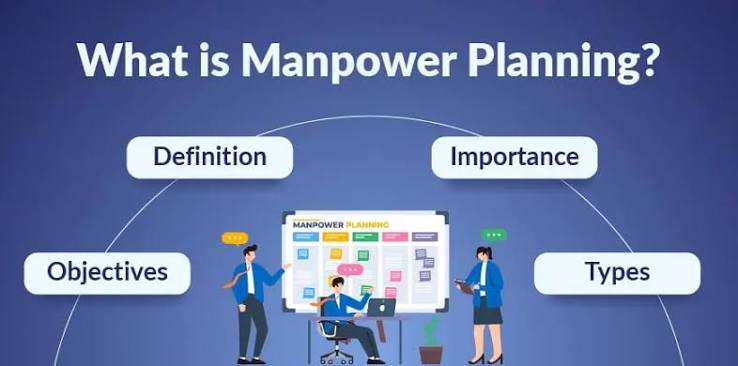
Course Information
Course Name: Manpower Planning
Course Code: HRM3102
Programme: Business Administration (HRM)
Academic Year: 2025–2026
Course Lecturer: Bizimungu
Credits: 15
Level/Semester: Year III – Trimester I
Delivery Mode: Face-to-face lectures, classroom discussions, case studies, presentations, practical HR planning exercises, and Moodle support.
Course Overview
This course introduces students to the principles and practices of manpower planning, also known as human resource planning. It focuses on forecasting an organization's human resource needs, analyzing workforce supply and demand, recruitment planning, succession planning, workforce development, and employee utilization strategies. The course equips students with the knowledge and skills required to ensure organizations have the right number of employees with the right skills at the right time to achieve organizational objectives.
Learning Objectives
Upon completion of this course, students should be able to:
- Understand the concepts, principles, and importance of manpower planning.
- Explain the relationship between manpower planning and organizational strategy.
- Analyze workforce demand and supply requirements.
- Apply techniques for human resource forecasting and planning.
- Develop recruitment, selection, and succession planning strategies.
- Evaluate workforce development and retention approaches.
- Understand challenges affecting effective manpower planning.
Learning Outcomes
By the end of the course, learners will be able to:
- Explain the role and importance of manpower planning in organizations.
- Conduct workforce analysis and identify staffing requirements.
- Apply human resource forecasting techniques.
- Develop basic manpower plans aligned with organizational goals.
- Analyze recruitment, succession, and employee development strategies.
- Evaluate workforce planning challenges and propose solutions.
- Demonstrate the ability to support effective human resource decision-making.
Prerequisites
- Human Resource Management.
- Organizational Behavior.
- Principles of Management.
- Basic Computer Literacy.
Learning Resources
- Lecturer's notes and handouts.
- Human Resource Planning textbooks.
- Human Resource Management reference materials.
- Workforce planning case studies.
- Academic journals and articles.
- Labor market reports and employment statistics.
- Moodle Learning Management System.
- Online educational resources and videos.
Learning Activities
- Interactive lectures.
- Group discussions.
- Workforce planning case study analysis.
- Human resource forecasting exercises.
- Individual and group assignments.
- HR presentations.
- Practical manpower planning activities.
- Moodle-based learning activities.
Assessment Methods
- Individual Assignments
- Group Projects
- Case Study Analysis
- HR Planning Presentations
- Quizzes
- Continuous Assessment Tests (CATs)
- Midterm Examination
- Final Examination
Course Duration
15 Weeks
Lecturer Information
Name: Bizimungu
Email: ____________________
- Teacher: Yves mumararungu

Course Information
Course Name: Public Sector Management and Reform
Course Code: PSM3303
Programme: Business Administration
Academic Year: 2025–2026
Course Lecturer: Japhet
Credits: 10
Level/Semester: Year III – Semester I
Delivery Mode: Face-to-face lectures, classroom discussions, case studies, policy analysis, presentations, and Moodle support.
Course Overview
This course introduces students to the principles, practices, and challenges of managing public sector organizations and implementing public sector reforms. It examines the structure and functions of public institutions, public administration systems, governance, accountability, leadership, strategic management, and service delivery improvement. The course explores the reasons for public sector reforms, reform strategies, decentralization, digital transformation, performance management, transparency, and citizen participation. Students will develop an understanding of how effective public sector management contributes to good governance and sustainable development.
Learning Objectives
Upon completion of this course, students should be able to:
- Understand the concepts and principles of public sector management.
- Explain the structure and functions of public sector organizations.
- Analyze challenges affecting public sector performance.
- Understand the importance of governance, accountability, and transparency.
- Examine public sector reform approaches and strategies.
- Evaluate the role of leadership and strategic management in public institutions.
- Understand the impact of digital transformation on public service delivery.
- Develop skills for improving public sector effectiveness and efficiency.
Learning Outcomes
By the end of the course, learners will be able to:
- Explain the nature and importance of public sector management.
- Describe the roles and responsibilities of public sector institutions.
- Analyze public sector management challenges and solutions.
- Evaluate different approaches to public sector reform.
- Apply principles of good governance and accountability.
- Assess the effectiveness of public service delivery systems.
- Analyze the role of leadership and innovation in public sector improvement.
- Recommend strategies for successful public sector reforms.
Prerequisites
- Basic English language proficiency.
- Principles of Management.
- Introduction to Business.
- Basic knowledge of public administration (recommended).
Learning Resources
- Lecturer's notes and handouts.
- Public Sector Management textbooks.
- Government policies and reform documents.
- Public administration case studies.
- Academic journals and professional articles.
- Reports from public institutions and development organizations.
- Multimedia presentations and instructional videos.
- Moodle Learning Management System.
- Online educational resources.
Learning Activities
- Interactive lectures.
- Classroom discussions.
- Public sector case study analysis.
- Policy review exercises.
- Group presentations.
- Research assignments.
- Role plays and simulations.
- Moodle-based learning activities.
Assessment Methods
- Individual Assignments
- Group Projects
- Quizzes
- Continuous Assessment Tests (CATs)
- Midterm Examination
- Final Examination
Course Duration
15 Weeks
Lecturer Information
Name: Japhet
Email: ____________________
- Teacher: content creator

Course Information
Course Name: Compensation and Reward System
Course Code: CRS3304
Programme: Business Administration
Academic Year: 2025–2026
Course Lecturer: Japhet
Credits: 10
Level/Semester: Year III – Semester I
Delivery Mode: Face-to-face lectures, classroom discussions, case studies, practical exercises, presentations, and Moodle support.
Course Overview
This course introduces students to the principles and practices of compensation and reward management in organizations. It examines how organizations design, implement, and manage employee compensation systems to attract, motivate, retain, and reward employees. The course covers job analysis, job evaluation, salary structures, benefits administration, performance-based rewards, incentives, employee motivation, legal considerations, and strategic reward management. Students will gain knowledge and skills required to develop effective compensation systems that support organizational goals and employee satisfaction.
Learning Objectives
Upon completion of this course, students should be able to:
- Understand the concepts and importance of compensation and reward management.
- Explain different types of employee compensation and reward systems.
- Analyze factors influencing compensation decisions.
- Understand job analysis and job evaluation processes.
- Apply principles of salary and benefits administration.
- Evaluate performance-based reward systems.
- Understand the relationship between rewards, motivation, and employee performance.
- Develop skills for designing effective compensation strategies.
Learning Outcomes
By the end of the course, learners will be able to:
- Explain the principles and functions of compensation and reward systems.
- Describe different forms of employee compensation and benefits.
- Analyze job evaluation and salary determination methods.
- Apply reward management practices in organizational settings.
- Evaluate the impact of compensation on employee motivation and performance.
- Design appropriate reward strategies aligned with organizational objectives.
- Analyze legal and ethical issues related to compensation management.
- Recommend improvements to employee reward systems.
Prerequisites
- Basic English language proficiency.
- Principles of Management.
- Human Resource Management (recommended).
Learning Resources
- Lecturer's notes and handouts.
- Compensation and Reward Management textbooks.
- Human resource management case studies.
- Labour laws and employment regulations.
- Academic journals and professional articles.
- Multimedia presentations and instructional videos.
- Moodle Learning Management System.
- Online educational resources.
Learning Activities
- Interactive lectures.
- Classroom discussions.
- Case study analysis.
- Compensation design exercises.
- Group presentations.
- Research assignments.
- Role plays and simulations.
- Moodle-based learning activities.
Assessment Methods
- Individual Assignments
- Group Projects
- Quizzes
- Continuous Assessment Tests (CATs)
- Midterm Examination
- Final Examination
Course Duration
15 Weeks
Lecturer Information
Name: Japhet
Email: ____________________
- Teacher: content creator

Course Information
Course Name: Leadership and Interpersonal Dynamics
Course Code: LID3305
Programme: Business Administration
Academic Year: 2025–2026
Course Lecturer: Japhet
Credits: 10
Level/Semester: Year III – Semester I
Delivery Mode: Face-to-face lectures, classroom discussions, leadership activities, case studies, role plays, presentations, and Moodle support.
Course Overview
This course introduces students to the principles, theories, and practices of effective leadership and interpersonal relationships in organizational environments. It examines leadership styles, leadership theories, communication skills, teamwork, conflict management, emotional intelligence, motivation, negotiation, and team dynamics. The course emphasizes the development of personal and professional skills required for effective leadership, collaboration, and positive workplace relationships. Students will learn how leaders influence organizational performance, employee engagement, and the achievement of business objectives.
Learning Objectives
Upon completion of this course, students should be able to:
- Understand the concepts and importance of leadership and interpersonal dynamics.
- Explain major leadership theories and approaches.
- Identify different leadership styles and their applications.
- Develop effective communication and interpersonal skills.
- Understand team development and group behavior.
- Apply conflict management and negotiation techniques.
- Recognize the role of emotional intelligence in leadership.
- Develop personal leadership and decision-making skills.
Learning Outcomes
By the end of the course, learners will be able to:
- Explain the principles and importance of effective leadership.
- Analyze different leadership theories and styles.
- Demonstrate effective interpersonal communication skills.
- Apply teamwork and collaboration techniques in organizations.
- Manage workplace conflicts using appropriate strategies.
- Evaluate the impact of leadership on employee motivation and performance.
- Demonstrate emotional intelligence and professional behavior.
- Develop leadership strategies for improving organizational effectiveness.
Prerequisites
- Basic English language proficiency.
- Principles of Management.
- Organizational Behaviour (recommended).
Learning Resources
- Lecturer's notes and handouts.
- Leadership and interpersonal skills textbooks.
- Leadership case studies and organizational examples.
- Academic journals and professional articles.
- Multimedia presentations and instructional videos.
- Moodle Learning Management System.
- Online educational resources.
Learning Activities
- Interactive lectures.
- Leadership discussions and debates.
- Case study analysis.
- Role plays and simulations.
- Team-building activities.
- Individual and group presentations.
- Research assignments.
- Moodle-based learning activities.
Assessment Methods
- Individual Assignments
- Group Projects
- Quizzes
- Continuous Assessment Tests (CATs)
- Midterm Examination
- Final Examination
Course Duration
15 Weeks
Lecturer Information
Name: Japhet
Email: ____________________
- Teacher: content creator