
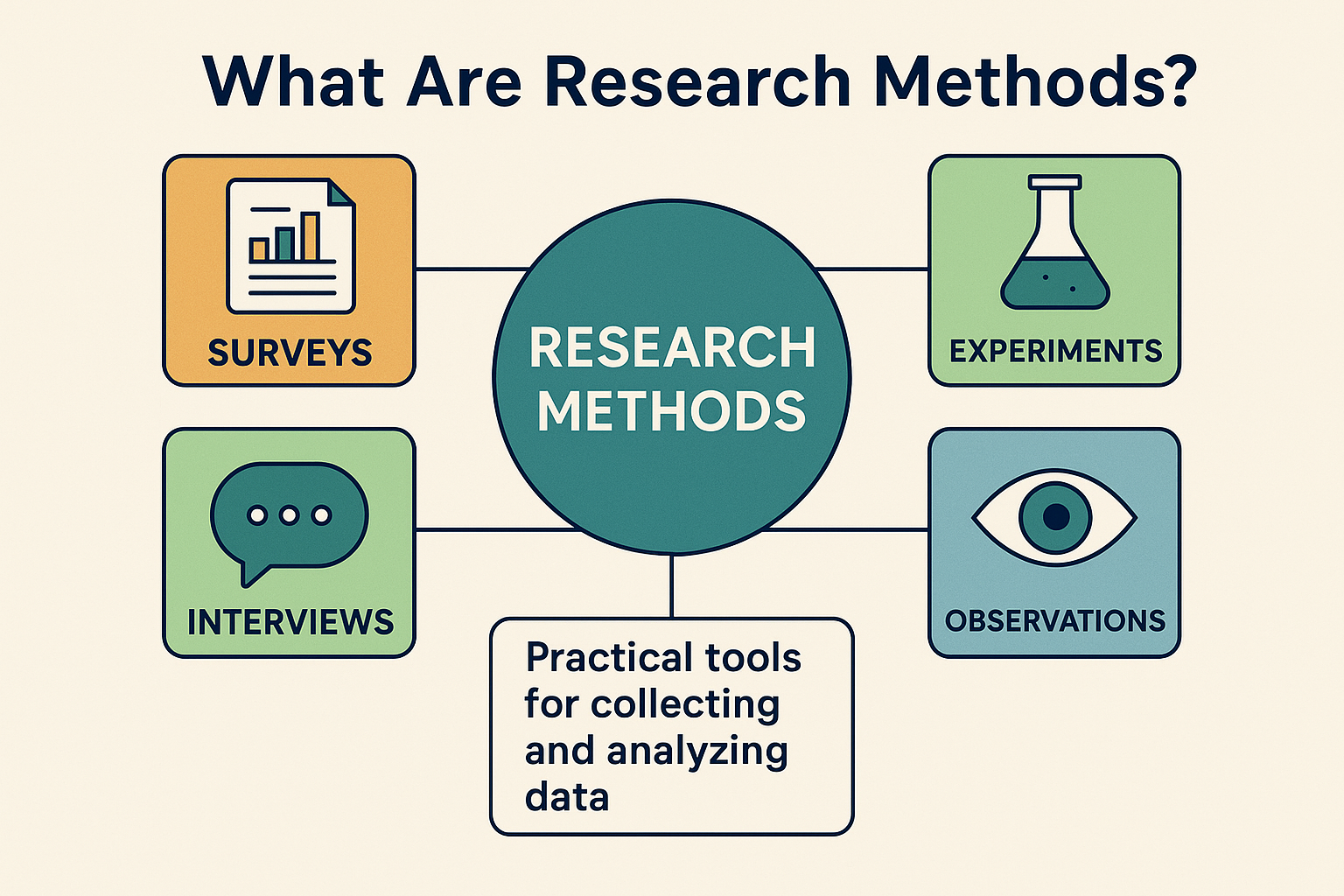
- Teacher: Yves mumararungu

- Teacher: Chebet Asumani

Course Information
Course Name: Entrepreneurship
Course Code: MGT2102
Programme: Business Administration
Academic Year: 2025–2026
Course Lecturer: NELSON
Credits: 15
Level/Semester: Year II – Semester I
Delivery Mode: Face-to-face lectures, group discussions, case studies, business plan development, practical activities, and Moodle support
Course Overview
This course introduces students to the principles and practices of entrepreneurship and its role in business creation, innovation, and economic development. It explores entrepreneurial concepts, opportunity identification, creativity and innovation, business planning, resource management, financing, risk management, and enterprise growth strategies. The course equips learners with the knowledge and skills required to identify business opportunities and develop entrepreneurial solutions in competitive business environments.
Learning Objectives
Upon completion of this course, students should be able to:
- Understand the concepts, principles, and importance of entrepreneurship.
- Identify and evaluate business opportunities.
- Develop creativity, innovation, and problem-solving skills.
- Understand the process of starting and managing a business.
- Prepare basic business plans.
- Analyze sources of business finance and resource management.
- Develop entrepreneurial attitudes and skills for business success.
Learning Outcomes
By the end of the course, learners will be able to:
- Explain the role of entrepreneurship in economic and social development.
- Identify and evaluate potential business opportunities.
- Apply entrepreneurial skills in business creation and management.
- Develop a basic business plan for a new venture.
- Analyze risks and challenges faced by entrepreneurs.
- Apply innovation and creativity in solving business problems.
- Demonstrate entrepreneurial decision-making and leadership skills.
Prerequisites
- Basic knowledge of business concepts.
- Basic English language proficiency.
Learning Resources
- Lecturer's notes and handouts.
- Entrepreneurship textbooks.
- Business planning guides.
- Entrepreneurship case studies.
- Academic journals and articles.
- Moodle Learning Management System.
- Online business and entrepreneurship resources.
Learning Activities
- Interactive lectures.
- Group discussions.
- Business idea development exercises.
- Case study analysis.
- Entrepreneur interviews.
- Business plan preparation.
- Individual and group presentations.
- Moodle-based learning activities.
Assessment Methods
- Individual Assignments
- Business Plan Project
- Group Presentations
- Quizzes
- Continuous Assessment Tests (CATs)
- Midterm Examination
- Final Examination
Course Duration
15 Weeks
Lecturer Information
Name: NELSON
Email: ____________________
- Teacher: content creator
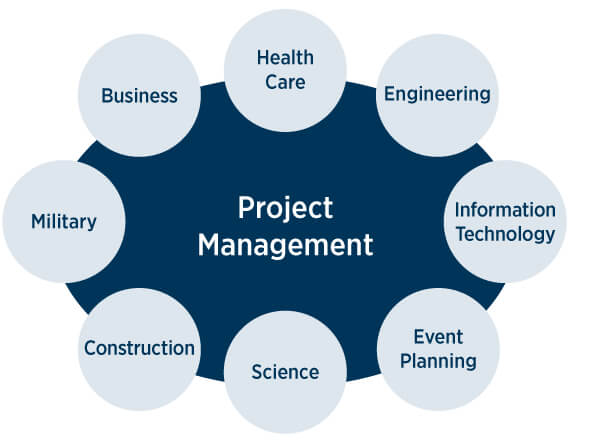
Course Information
Course Name: Project Management
Course Code: MGT2103
Programme: Business Administration
Academic Year: 2025–2026
Course Lecturer: NELSON
Credits: 15
Level/Semester: Year II – Semester I
Delivery Mode: Face-to-face lectures, case studies, group discussions, project planning exercises, presentations, and Moodle support
Course Overview
This course introduces students to the principles, concepts, and practices of effective project management. It focuses on project planning, implementation, monitoring, evaluation, resource management, risk management, budgeting, scheduling, and project leadership. The course equips learners with the knowledge and skills required to manage projects successfully and achieve organizational objectives within time, cost, and quality constraints.
Learning Objectives
Upon completion of this course, students should be able to:
- Understand the fundamental concepts and principles of project management.
- Explain the project life cycle and project management processes.
- Develop project plans, schedules, and budgets.
- Apply project management tools and techniques.
- Identify and manage project risks.
- Monitor and evaluate project performance.
- Develop leadership and teamwork skills for effective project delivery.
Learning Outcomes
By the end of the course, learners will be able to:
- Explain the importance and role of project management in organizations.
- Identify the different phases of the project life cycle.
- Prepare basic project proposals and management plans.
- Apply project scheduling and resource allocation techniques.
- Analyze project risks and develop mitigation strategies.
- Monitor project progress using appropriate tools.
- Demonstrate effective teamwork and leadership in project environments.
Prerequisites
- Basic knowledge of business management principles.
- Basic English language proficiency.
- Basic computer literacy.
Learning Resources
- Lecturer's notes and handouts.
- Project Management textbooks.
- Project Management case studies.
- Project planning and scheduling tools.
- Microsoft Project and Microsoft Excel.
- Moodle Learning Management System.
- Online project management resources.
Learning Activities
- Interactive lectures.
- Project planning exercises.
- Case study analysis.
- Group discussions.
- Project proposal development.
- Presentations and demonstrations.
- Practical project management activities.
- Moodle-based learning activities.
Assessment Methods
- Individual Assignments
- Group Project Proposal
- Case Study Analysis
- Quizzes
- Continuous Assessment Tests (CATs)
- Midterm Examination
- Final Examination
Course Duration
15 Weeks
Lecturer Information
Name: NELSON
Email: ____________________
- Teacher: content creator

- Teacher: content creator