
Course Information

Course Name: Advanced Painting and Print Making Practices I
Course Code: BIAD 2205
Programme: Industrial Art and Design
Academic Year: 2025–2026
Course Lecturer: Paul
Credits: 10
Hours: ____________________
Level/Semester: Year II – Trimester II
Delivery Mode: Face-to-face lectures, advanced studio practices, painting workshops, printmaking laboratory sessions, classroom discussions, artwork critiques, exhibitions, presentations, and Moodle Learning Management System (LMS) support.


Course Overview

This course introduces advanced concepts, techniques, and creative approaches in painting and printmaking within Industrial Art and Design. It builds upon previous painting and printmaking courses by emphasizing experimentation, artistic research, advanced material application, composition, colour development, and professional studio practices.

Students will explore contemporary painting methods and advanced printmaking processes while developing individual artistic styles and creative concepts. The course focuses on producing high-quality artworks, critical evaluation, portfolio development, and professional presentation for exhibitions and creative industries.


Learning Objectives

Upon successful completion of this course, students should be able to:

  1. Apply advanced painting techniques using different media and approaches.
  2. Demonstrate advanced knowledge of printmaking processes and materials.
  3. Develop original artistic concepts through creative research and experimentation.
  4. Apply advanced principles of colour, composition, texture, and visual expression.
  5. Explore contemporary approaches in painting and print production.
  6. Critically analyze and evaluate painting and printmaking artworks.
  7. Prepare professional artworks for exhibitions and portfolio presentation.

Learning Outcomes

By the end of this course, learners will be able to:

  • Produce advanced paintings using professional artistic techniques.
  • Create complex prints using different printmaking processes.
  • Apply advanced colour theory, composition, and visual storytelling principles.
  • Experiment with materials and techniques to develop unique artistic expressions.
  • Analyze and critique artworks using appropriate art and design terminology.
  • Develop a professional portfolio of painting and printmaking works.
  • Present creative projects effectively in exhibitions and professional environments.
  • Demonstrate creativity, technical skill, and independent artistic practice.

Prerequisites

  • Painting and Print Making Practices II (BIAD 2102).
  • Design and Appreciation Theories II (BIAD 2101).
  • Principles of Design, Visual Communication and Exhibition II (BIAD 2103).

Learning Resources

  • Lecturer's notes and handouts.
  • Advanced Painting and Printmaking textbooks.
  • Professional painting materials:
    • Canvas
    • Acrylic, oil, and watercolour paints
    • Brushes and painting tools
    • Pigments and mediums
  • Printmaking materials:
    • Printing inks
    • Printing blocks
    • Screens
    • Carving tools
    • Printing papers
    • Press equipment
  • Contemporary art catalogues and exhibition references.
  • Academic journals and research articles.
  • Studio facilities and art equipment.
  • Moodle Learning Management System (LMS).
  • Online art tutorials and professional artist demonstrations.

Learning Activities

  • Interactive lectures.
  • Advanced painting studio workshops.
  • Printmaking practical sessions.
  • Experimental art projects.
  • Creative concept development exercises.
  • Artwork critiques and discussions.
  • Individual artistic research projects.
  • Group exhibitions and presentations.
  • Portfolio development.
  • Gallery and museum visits (where applicable).
  • Moodle-based learning activities.

Assessment Methods

  • Advanced Painting Projects
  • Printmaking Production Projects
  • Studio Portfolio Assessment
  • Individual Creative Assignments
  • Research and Concept Development Reports
  • Group Projects
  • Artwork Critiques
  • Quizzes
  • Continuous Assessment Tests (CATs)
  • Student Presentations
  • Midterm Examination
  • Final Examination

Course Duration

15 Weeks


Lecturer Information

Name: Paul

Email: ____________________


Course Information

Course Name: Advanced Design and Appreciation Theories I
Course Code: BIAD 2204
Programme: Industrial Art and Design
Academic Year: 2025–2026
Course Lecturer: Paul
Credits: 10
Hours: ____________________
Level/Semester: Year II – Trimester II
Delivery Mode: Face-to-face lectures, seminars, classroom discussions, design critiques, research activities, case studies, presentations, field visits, and Moodle Learning Management System (LMS) support.


Course Overview

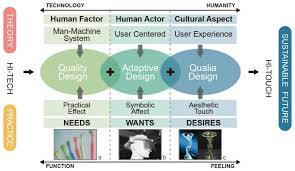
This course provides an advanced exploration of design theories, aesthetics, visual culture, and critical appreciation within Industrial Art and Design. It builds upon previous design theory courses by examining contemporary design philosophies, design movements, cultural influences, sustainability, innovation, and the relationship between design and society.

Students will develop advanced skills in analyzing, interpreting, and evaluating artistic and design works using theoretical frameworks and critical approaches. The course encourages research, creativity, and professional judgment in the development and appreciation of design solutions.


Learning Objectives

Upon successful completion of this course, students should be able to:

  1. Explain advanced theories and concepts of design and aesthetics.
  2. Analyze historical and contemporary design movements and philosophies.
  3. Apply critical approaches to evaluate design works.
  4. Understand the influence of culture, technology, and society on design development.
  5. Explore sustainability, ethics, and innovation in modern design practices.
  6. Develop research and analytical skills for design studies.
  7. Communicate design ideas and critiques using professional terminology.

Learning Outcomes

By the end of this course, learners will be able to:

  • Explain advanced principles and theories of design appreciation.
  • Analyze and interpret complex design works using appropriate theoretical approaches.
  • Evaluate the aesthetic, cultural, functional, and social values of design products.
  • Discuss the evolution of modern and contemporary design movements.
  • Apply design theories in creative problem-solving and design decision-making.
  • Conduct research and present critical reviews of design projects.
  • Demonstrate professional communication and critical thinking skills in design practice.

Prerequisites

  • Design and Appreciation Theories II (BIAD 2101).
  • Principles of Design, Visual Communication and Exhibition II (BIAD 2103).
  • Basic knowledge of Industrial Art and Design practices.

Learning Resources

  • Lecturer's notes and handouts.
  • Advanced Design Theory and Aesthetics textbooks.
  • History of Art and Design references.
  • Design criticism and visual culture resources.
  • Academic journals and research publications.
  • Contemporary design case studies.
  • Museum and exhibition catalogues.
  • Moodle Learning Management System (LMS).
  • Online design resources and digital libraries.

Learning Activities

  • Interactive lectures.
  • Advanced design theory seminars.
  • Design critique sessions.
  • Case study analysis.
  • Research assignments.
  • Group discussions and debates.
  • Student presentations.
  • Art and design reviews.
  • Gallery and museum visits (where applicable).
  • Independent study and Moodle-based learning activities.

Assessment Methods

  • Individual Assignments
  • Design Critique Reports
  • Research Projects
  • Case Study Analysis
  • Group Presentations
  • Quizzes
  • Continuous Assessment Tests (CATs)
  • Seminar Participation
  • Midterm Examination
  • Final Examination

Course Duration

15 Weeks


Lecturer Information

Name: Paul

Email: ____________________


Course Information

Course Name: Advanced Computer Aided, Technical Drawing and Design I
Course Code: BIAD 2203
Programme: Industrial Art and Design
Academic Year: 2025–2026
Course Lecturer: Paul
Credits: ____________________
Hours: ____________________
Level/Semester: Year II – Trimester II
Delivery Mode: Face-to-face lectures, CAD laboratory practical sessions, technical drawing workshops, design projects, demonstrations, classroom discussions, presentations, and Moodle Learning Management System (LMS) support.


Course Overview

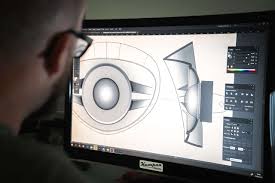
This course introduces advanced concepts and applications of computer-aided design (CAD), technical drawing, and digital design techniques for Industrial Art and Design. Building upon previous CAD and technical drawing courses, students will develop advanced skills in creating accurate two-dimensional (2D) drawings, three-dimensional (3D) models, product designs, and technical documentation using professional CAD tools.

The course emphasizes precision, creativity, digital modelling, design visualization, rendering techniques, and the application of CAD technologies in industrial design processes. Students will learn how to transform design concepts into professional digital representations suitable for production, presentation, and manufacturing environments.


Learning Objectives

Upon successful completion of this course, students should be able to:

  1. Apply advanced principles of technical drawing and computer-aided design.
  2. Create detailed 2D and 3D digital design models using CAD software.
  3. Apply advanced modelling, rendering, and visualization techniques.
  4. Produce professional technical drawings following industry standards.
  5. Develop digital product designs for industrial applications.
  6. Interpret and communicate complex design concepts through CAD drawings.
  7. Apply creativity and problem-solving skills in computer-aided design projects.

Learning Outcomes

By the end of this course, learners will be able to:

  • Produce advanced technical drawings using CAD software.
  • Develop accurate 3D models and digital prototypes.
  • Apply advanced CAD tools for product design and visualization.
  • Create detailed engineering drawings with correct dimensions, annotations, and standards.
  • Apply rendering and presentation techniques to communicate design ideas.
  • Analyze and improve digital design solutions based on technical requirements.
  • Prepare professional CAD documentation for industrial design projects.
  • Demonstrate competence in advanced digital design practices.

Prerequisites

  • Computer Aided, Technical Drawing and Design II (BIAD 1305).
  • Basic Theories in Design and Computer Aided Graphics (BIAD 1102).
  • Computer Literacy and Communication Skills (CLCS 1201).

Learning Resources

  • Lecturer's notes and handouts.
  • Advanced CAD and Technical Drawing textbooks.
  • CAD software such as:
    • AutoCAD
    • Autodesk Fusion 360
    • SolidWorks
    • SketchUp
    • Blender or equivalent design software.
  • Computers with suitable graphics performance.
  • Technical drawing standards and engineering graphics references.
  • Industrial design case studies.
  • Academic journals and research articles.
  • Moodle Learning Management System (LMS).
  • Online CAD tutorials and professional design resources.

Learning Activities

  • Interactive lectures.
  • Advanced CAD laboratory exercises.
  • 2D and 3D modelling projects.
  • Product design development activities.
  • Technical drawing practice.
  • Rendering and visualization exercises.
  • Individual and group design projects.
  • Design presentations and critiques.
  • Portfolio development.
  • Moodle-based learning activities.

Assessment Methods

  • Individual CAD Assignments
  • Technical Drawing Projects
  • 3D Modelling Exercises
  • Product Design Projects
  • Group Projects
  • Design Portfolio
  • Quizzes
  • Continuous Assessment Tests (CATs)
  • Student Presentations
  • Midterm Examination
  • Final Examination

Course Duration

15 Weeks


Lecturer Information

Name: Paul

Email: ____________________


Course Information

Course Name: Introduction to Production Management and Research Methods
Course Code: BIAD 2202
Programme: Industrial Art and Design
Academic Year: 2025–2026
Course Lecturer: Paul
Credits: 10
Hours: ____________________
Level/Semester: Year II – Trimester II
Delivery Mode: Face-to-face lectures, classroom discussions, case studies, practical exercises, research activities, project work, presentations, and Moodle Learning Management System (LMS) support.


Course Overview

This course introduces students to the fundamental concepts of production management and research methods as applied to Industrial Art and Design. It provides knowledge and skills required to plan, organize, control, and improve production processes while understanding the role of research in solving design and production challenges. Students will explore production planning, resource management, quality control, workflow organization, cost management, and sustainable production practices. The course also introduces research concepts, research design, data collection methods, analysis techniques, and academic reporting to support creative and industrial design projects.


Learning Objectives

Upon successful completion of this course, students should be able to:

  1. Explain the principles and functions of production management.
  2. Understand production planning, scheduling, and resource management processes.
  3. Apply quality control and efficiency improvement techniques in production.
  4. Identify challenges affecting production systems and propose solutions.
  5. Understand basic concepts and approaches in research methods.
  6. Apply appropriate research techniques in Industrial Art and Design projects.
  7. Develop research proposals, collect data, and communicate research findings effectively.

Learning Outcomes

By the end of this course, learners will be able to:

  • Explain the role of production management in industrial and creative sectors.
  • Apply production planning and management techniques.
  • Manage materials, equipment, time, and human resources effectively.
  • Identify quality control methods and sustainable production practices.
  • Develop research questions, objectives, and basic research proposals.
  • Apply qualitative and quantitative research methods appropriately.
  • Collect, analyze, and interpret research data.
  • Prepare academic reports and present research findings professionally.

Prerequisites

  • Entrepreneurship and Project Planning Management (BIAD 2105).
  • Computer Literacy and Communication Skills (CLCS 1201).
  • Basic knowledge of Industrial Art and Design practices.

Learning Resources

  • Lecturer's notes and handouts.
  • Production Management textbooks.
  • Research Methodology textbooks.
  • Industrial Design and Manufacturing references.
  • Academic journals and research articles.
  • Quality management and sustainability resources.
  • Case studies from creative industries and manufacturing sectors.
  • Moodle Learning Management System (LMS).
  • Online educational resources and research databases.

Learning Activities

  • Interactive lectures.
  • Production management case studies.
  • Research proposal development exercises.
  • Data collection and analysis activities.
  • Group discussions and presentations.
  • Industrial production process analysis.
  • Project planning exercises.
  • Individual research assignments.
  • Field visits to production workshops and industries (where applicable).
  • Moodle-based learning activities.

Assessment Methods

  • Individual Assignments
  • Research Proposal Development
  • Production Management Case Study
  • Group Projects
  • Practical Exercises
  • Quizzes
  • Continuous Assessment Tests (CATs)
  • Student Presentations
  • Midterm Examination
  • Final Examination

Course Duration

15 Weeks


Lecturer Information

Name: Paul

Email: ____________________

Course Information

Course Name: Sculpture and Ceramics Practices II
Course Code: BIAD 2201
Programme: Industrial Art and Design
Academic Year: 2025–2026
Course Lecturer: Paul
Credits: 15
Hours: ____________________
Level/Semester: Year II – Trimester II
Delivery Mode: Face-to-face lectures, advanced studio demonstrations, practical sculpture and ceramics workshops, classroom discussions, critiques, exhibitions, portfolio development, and Moodle Learning Management System (LMS) support.


Course Overview

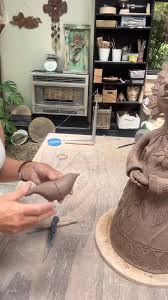
Sculpture and Ceramics Practices II is an advanced practical course that develops students’ knowledge and skills acquired in previous sculpture and ceramics courses. The course focuses on advanced methods of three-dimensional art production, including sculptural composition, modelling, carving, casting, mould-making, ceramic construction, glazing, firing, and mixed-media applications. Students will explore contemporary approaches to sculpture and ceramics, develop personal artistic styles, and produce professional-quality artworks suitable for exhibitions and creative industries.

The course emphasizes creativity, experimentation, craftsmanship, critical thinking, and professional studio practice within Industrial Art and Design.


Learning Objectives

Upon successful completion of this course, students should be able to:

  1. Apply advanced techniques in sculpture and ceramic production.
  2. Experiment with different materials, tools, and processes to create innovative artworks.
  3. Develop creative concepts and translate ideas into three-dimensional forms.
  4. Demonstrate advanced skills in modelling, carving, mould-making, casting, and fabrication.
  5. Apply advanced ceramic techniques including construction, glazing, firing, and surface decoration.
  6. Analyze and critique contemporary sculpture and ceramic artworks.
  7. Prepare artworks professionally for exhibitions, portfolios, and creative practice.

Learning Outcomes

By the end of this course, learners will be able to:

  • Produce advanced sculptural artworks using a variety of materials and techniques.
  • Create functional and artistic ceramic products using advanced methods.
  • Apply creative problem-solving in three-dimensional design projects.
  • Demonstrate safe and professional use of sculpture and ceramics equipment.
  • Apply advanced finishing techniques and surface treatments.
  • Evaluate artistic works using appropriate critical and aesthetic principles.
  • Develop and present a professional portfolio of sculpture and ceramic works.
  • Demonstrate creativity, technical competence, and artistic confidence.

Prerequisites

  • Sculpture and Ceramics Practices I (BIAD 1304).
  • Basics of Sculpture, Ceramics and Exhibition (BIAD 1202).
  • Design and Appreciation Theories II (BIAD 2101) (recommended).

Learning Resources

  • Lecturer's notes and handouts.
  • Advanced Sculpture and Ceramics textbooks.
  • Clay, plaster, wood, stone, metal, resin, glass, and mixed-media materials.
  • Sculpture tools, carving tools, mould-making equipment, pottery wheels, kilns, and glazing equipment.
  • Contemporary sculpture and ceramic artwork references.
  • Museum and gallery catalogues.
  • Academic journals and research publications.
  • Studio equipment and exhibition materials.
  • Moodle Learning Management System (LMS).
  • Online tutorials and artist demonstrations.

Learning Activities

  • Interactive lectures.
  • Advanced sculpture studio practice.
  • Ceramic production workshops.
  • Modelling, carving, and casting exercises.
  • Mould-making and fabrication practices.
  • Ceramic glazing and firing sessions.
  • Experimental material exploration.
  • Individual creative projects.
  • Group critiques and peer reviews.
  • Portfolio development.
  • Exhibition preparation and installation.
  • Student presentations.
  • Moodle-based learning activities.

Assessment Methods

  • Individual Sculpture Projects
  • Ceramic Production Projects
  • Practical Studio Exercises
  • Creative Portfolio Assessment
  • Research Assignments
  • Group Projects
  • Artwork Critiques
  • Quizzes
  • Continuous Assessment Tests (CATs)
  • Student Presentations
  • Midterm Examination
  • Final Examination

Course Duration

15 Weeks


Lecturer Information

Name: Paul

Email: ____________________