
Course Information
Course Name: Professional Practices in Art I
Course Code: BIAD 2305
Programme: Industrial Art and Design
Academic Year: 2025–2026
Course Lecturer: Paul
Credits: 10
Hours: ____________________
Level/Semester: Year II – Trimester III
Delivery Mode: Face-to-face lectures, professional workshops, classroom discussions, case studies, studio practices, portfolio development, presentations, industry interactions, and Moodle Learning Management System (LMS) support.
Course Overview
This course introduces students to the professional practices, ethics, and management skills required for successful careers in the art and design industry. It focuses on developing professional identity, artistic entrepreneurship, portfolio preparation, exhibition management, creative business practices, intellectual property rights, communication skills, and engagement with the creative industry.
Students will learn how to manage artistic careers, present their work professionally, interact with clients and stakeholders, prepare professional portfolios, and understand the responsibilities of artists and designers in contemporary society. The course bridges academic studio practice with real-world professional environments.
Learning Objectives
Upon successful completion of this course, students should be able to:
- Understand professional standards and practices in the art and design industry.
- Develop a professional identity and career strategy as an artist or designer.
- Prepare effective portfolios, artist statements, and professional profiles.
- Understand exhibition planning, presentation, and networking practices.
- Apply ethical principles and professional conduct in artistic practice.
- Understand intellectual property, copyright, and ownership of creative works.
- Develop entrepreneurial and communication skills for creative careers.
Learning Outcomes
By the end of this course, learners will be able to:
- Explain professional practices and career opportunities in the art and design sector.
- Develop professional portfolios showcasing creative skills and achievements.
- Prepare artist statements, CVs, proposals, and project documentation.
- Apply professional communication and presentation skills.
- Organize and participate in exhibitions and creative events.
- Understand ethical responsibilities and intellectual property protection.
- Manage creative projects and professional relationships effectively.
- Demonstrate readiness for professional practice in art and design industries.
Prerequisites
- Advanced Design and Appreciation Theories I (BIAD 2204).
- Advanced Principles of Design, Visual Communication and Exhibition I (BIAD 2206).
- Entrepreneurship and Project Planning Management (BIAD 2105).
Learning Resources
- Lecturer’s notes and handouts.
- Professional Art Practice textbooks.
- Portfolio development guides.
- Exhibition and curatorial practice references.
- Art marketing and entrepreneurship resources.
- Intellectual property and copyright guidelines.
- Artist biographies and professional case studies.
- Academic journals and articles.
- Moodle Learning Management System (LMS).
- Online creative industry resources and professional platforms.
Learning Activities
- Interactive lectures.
- Professional development workshops.
- Portfolio creation exercises.
- Artist statement and CV writing activities.
- Exhibition planning activities.
- Case study analysis of professional artists and designers.
- Guest lectures from creative industry professionals.
- Group discussions and presentations.
- Career planning exercises.
- Studio visits and field experiences (where applicable).
- Moodle-based learning activities.
Assessment Methods
- Professional Portfolio Development
- Artist Statement and Profile Writing
- Individual Assignments
- Exhibition Planning Project
- Case Study Reports
- Group Projects
- Presentations
- Quizzes
- Continuous Assessment Tests (CATs)
- Midterm Examination
- Final Examination
Course Duration
15 Weeks
Lecturer Information
Name: Paul
Email: ____________________
- Teacher: Yves mumararungu
Course Information
Course Name: Advanced Sculpture and Ceramics Practices I
Course Code: BIAD 2304
Programme: Industrial Art and Design
Academic Year: 2025–2026
Course Lecturer: Paul
Credits: 15
Hours: ____________________
Level/Semester: Year II – Trimester III
Delivery Mode: Face-to-face lectures, advanced sculpture and ceramics studio sessions, practical workshops, material experimentation, classroom discussions, artwork critiques, exhibitions, presentations, portfolio development, and Moodle Learning Management System (LMS) support.
Course Overview
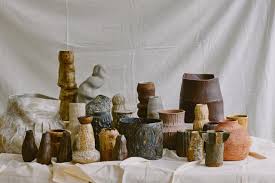
This course provides advanced theoretical and practical knowledge in sculpture and ceramics within the field of Industrial Art and Design. It builds upon previous sculpture and ceramics courses by introducing advanced three-dimensional design concepts, contemporary artistic approaches, material exploration, and professional studio practices.
Students will explore advanced sculptural techniques, ceramic construction methods, mould-making, casting processes, surface treatments, glazing, firing, mixed-media applications, and experimental approaches to three-dimensional art production. The course emphasizes creativity, innovation, craftsmanship, critical analysis, and the development of professional artworks suitable for exhibitions and creative industries.
Learning Objectives
Upon successful completion of this course, students should be able to:
- Apply advanced principles and techniques of sculpture and ceramics production.
- Experiment with various materials, processes, and technologies in three-dimensional design.
- Develop creative concepts and transform ideas into professional artworks.
- Apply advanced modelling, carving, casting, mould-making, and fabrication techniques.
- Demonstrate advanced ceramic skills including construction, decoration, glazing, and firing.
- Analyze and critique contemporary sculpture and ceramic artworks.
- Develop professional approaches to studio practice, documentation, and exhibition preparation.
Learning Outcomes
By the end of this course, learners will be able to:
- Produce advanced sculptural artworks using a variety of materials and techniques.
- Create complex ceramic works using advanced construction and finishing methods.
- Apply creative problem-solving in three-dimensional design projects.
- Demonstrate safe and professional use of sculpture and ceramics tools and equipment.
- Apply advanced surface treatments, textures, and decorative techniques.
- Evaluate sculpture and ceramic works using appropriate artistic and critical terminology.
- Develop and present professional portfolios of three-dimensional artworks.
- Demonstrate creativity, technical competence, and independent artistic expression.
Prerequisites
- Sculpture and Ceramics Practices II (BIAD 2201).
- Basics of Sculpture, Ceramics and Exhibition (BIAD 1202).
- Advanced Design and Appreciation Theories I (BIAD 2204).
Learning Resources
- Lecturer’s notes and handouts.
- Advanced Sculpture and Ceramics textbooks.
- Contemporary sculpture and ceramic art references.
- Sculpture materials:
- Clay
- Wood
- Stone
- Metal
- Plaster
- Resin
- Mixed media materials
- Ceramic equipment and materials:
- Pottery wheels
- Kilns
- Glazes
- Ceramic tools
- Mould-making equipment
- Exhibition catalogues and museum references.
- Academic journals and research articles.
- Studio equipment and safety guidelines.
- Moodle Learning Management System (LMS).
- Online tutorials and professional artist demonstrations.
Learning Activities
- Advanced sculpture studio practice.
- Advanced ceramic production workshops.
- Experimental material exploration.
- Modelling, carving, and fabrication exercises.
- Mould-making and casting practices.
- Ceramic glazing and firing sessions.
- Concept development and artistic research.
- Individual creative projects.
- Group critiques and discussions.
- Portfolio development.
- Exhibition planning and artwork presentation.
- Studio demonstrations.
- Moodle-based learning activities.
Assessment Methods
- Advanced Sculpture Projects
- Advanced Ceramic Production Projects
- Practical Studio Exercises
- Creative Portfolio Assessment
- Material Experimentation Reports
- Research and Concept Development Projects
- Group Projects
- Artwork Critiques
- Quizzes
- Continuous Assessment Tests (CATs)
- Student Presentations
- Midterm Examination
- Final Examination
Course Duration
15 Weeks
Lecturer Information
Name: Paul
Email: ____________________
- Teacher: Yves mumararungu
Course Information
Course Name: Advanced Weaving and Multimedia Practices I
Course Code: BIAD 2303
Programme: Industrial Art and Design
Academic Year: 2025–2026
Course Lecturer: Paul
Credits: 10
Hours: ____________________
Level/Semester: Year II – Trimester III
Delivery Mode: Face-to-face lectures, advanced weaving studio sessions, multimedia laboratory practices, practical workshops, classroom discussions, demonstrations, presentations, portfolio development, and Moodle Learning Management System (LMS) support.
Course Overview
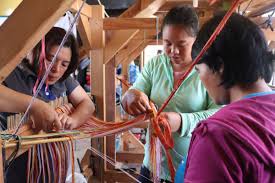
This course provides advanced theoretical knowledge and practical skills in weaving and multimedia practices within Industrial Art and Design. It builds upon previous weaving and multimedia courses by introducing advanced textile techniques, creative material exploration, digital media production, and the integration of traditional craft with modern technologies.
Students will explore advanced weaving methods, textile pattern development, colour interaction, fabric construction, digital textile design, multimedia production, graphic design, photography, video, and digital presentation techniques. The course emphasizes innovation, creativity, professional craftsmanship, and the development of contemporary textile and multimedia projects suitable for creative industries.
Learning Objectives
Upon successful completion of this course, students should be able to:
- Apply advanced weaving techniques in textile design and production.
- Experiment with different fibres, materials, patterns, and surface treatments.
- Develop innovative textile designs using traditional and digital approaches.
- Apply multimedia tools for creative communication and presentation.
- Integrate weaving practices with digital media technologies.
- Develop professional-quality multimedia and textile design projects.
- Present and document creative works using appropriate professional methods.
Learning Outcomes
By the end of this course, learners will be able to:
- Produce advanced woven textile works using appropriate techniques and materials.
- Apply advanced colour, texture, and pattern principles in textile design.
- Develop creative solutions by combining traditional weaving and multimedia technologies.
- Use digital tools for image creation, editing, audio-visual production, and presentation.
- Create multimedia content that supports textile and design communication.
- Analyze and evaluate textile and multimedia projects using professional terminology.
- Prepare professional portfolios showcasing advanced weaving and multimedia practices.
- Demonstrate creativity, innovation, and technical competence in creative production.
Prerequisites
- Weaving and Multimedia Practices I (BIAD 1302).
- Introduction to Weaving and Multimedia (BIAD 1201).
- Computer Literacy and Communication Skills (CLCS 1201).
Learning Resources
- Lecturer’s notes and handouts.
- Advanced Textile Design and Weaving textbooks.
- Multimedia Design and Digital Media textbooks.
- Weaving equipment and materials:
- Looms
- Yarns and fibres
- Textile tools
- Dyes and finishing materials
- Multimedia equipment:
- Digital cameras
- Video cameras
- Computers
- Graphic tablets
- Audio recording equipment
- Digital design and multimedia software:
- Adobe Photoshop
- Adobe Illustrator
- Adobe Premiere Pro
- CorelDRAW
- Other equivalent software
- Academic journals and research articles.
- Textile and design exhibition catalogues.
- Moodle Learning Management System (LMS).
- Online tutorials and professional creative resources.
Learning Activities
- Advanced weaving studio practices.
- Textile pattern development exercises.
- Experimental material exploration.
- Digital textile design activities.
- Multimedia production workshops.
- Photography and video production exercises.
- Digital editing and presentation practices.
- Individual creative projects.
- Group design projects.
- Portfolio development.
- Textile and multimedia exhibitions.
- Student presentations and critiques.
- Moodle-based learning activities.
Assessment Methods
- Advanced Weaving Projects
- Textile Design Assignments
- Multimedia Production Projects
- Digital Design Exercises
- Creative Portfolio Assessment
- Research and Concept Development Reports
- Group Projects
- Practical Demonstrations
- Quizzes
- Continuous Assessment Tests (CATs)
- Student Presentations
- Midterm Examination
- Final Examination
Course Duration
15 Weeks
Lecturer Information
Name: Paul
Email: ____________________
- Teacher: Yves mumararungu
ourse Information
Course Name: Advanced Drawing and Photo Media Theory and Practice I
Course Code: BIAD 2302
Programme: Industrial Art and Design
Academic Year: 2025–2026
Course Lecturer: Paul
Credits: 15
Hours: ____________________
Level/Semester: Year II – Trimester III
Delivery Mode: Face-to-face lectures, advanced studio drawing sessions, photography laboratory practices, fieldwork, digital media workshops, classroom discussions, critiques, presentations, portfolio development, and Moodle Learning Management System (LMS) support.
Course Overview
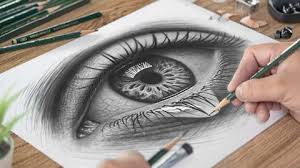
This course provides advanced theoretical knowledge and practical skills in drawing and photographic media within the field of Industrial Art and Design. It builds upon previous drawing and photography courses by introducing advanced artistic approaches, creative visual exploration, professional image production, and contemporary media practices.
Students will explore advanced observational drawing, conceptual illustration, life drawing, digital drawing techniques, professional photography, studio lighting, photographic composition, digital image processing, and visual storytelling. The course emphasizes creativity, technical excellence, critical thinking, research-based artistic practice, and the development of professional portfolios suitable for creative industries.
Learning Objectives
Upon successful completion of this course, students should be able to:
- Apply advanced drawing techniques in creative and professional design contexts.
- Develop complex visual concepts using drawing and photographic media.
- Demonstrate advanced knowledge of composition, perspective, anatomy, proportion, and visual expression.
- Operate professional photographic equipment and apply advanced photography techniques.
- Apply studio lighting, exposure control, and image composition principles.
- Use digital tools for image enhancement, manipulation, and creative production.
- Develop professional portfolios demonstrating advanced drawing and photography skills.
Learning Outcomes
By the end of this course, learners will be able to:
- Produce advanced drawings using professional artistic methods and techniques.
- Apply advanced perspective, anatomy, proportion, texture, and rendering skills.
- Create professional photographic works using advanced camera settings and lighting techniques.
- Apply digital editing and image manipulation techniques for creative projects.
- Develop visual narratives through drawing and photographic media.
- Critically analyze and evaluate artworks using professional art and design terminology.
- Prepare and present professional portfolios of drawing and photographic works.
- Demonstrate creativity, technical competence, and independent artistic practice.
Prerequisites
- Drawing and Photo Media Theory and Practice II (BIAD 2104).
- Advanced Design and Appreciation Theories I (BIAD 2204).
- Computer Literacy and Communication Skills (CLCS 1201).
Learning Resources
- Lecturer’s notes and handouts.
- Advanced Drawing and Illustration textbooks.
- Photography Theory and Practice textbooks.
- Professional drawing materials:
- Sketchbooks
- Pencils
- Charcoal
- Ink
- Markers
- Digital drawing tablets
- Photography equipment:
- DSLR/Mirrorless cameras
- Professional lenses
- Tripods
- Studio lighting equipment
- Reflectors
- Memory cards
- Digital editing software:
- Adobe Photoshop
- Adobe Lightroom
- Adobe Illustrator
- Other equivalent digital media software
- Academic journals and research articles.
- Photography exhibitions and art catalogues.
- Moodle Learning Management System (LMS).
- Online tutorials and professional creative resources.
Learning Activities
- Advanced drawing studio practices.
- Life drawing and portrait studies.
- Concept development exercises.
- Professional photography workshops.
- Studio lighting practices.
- Digital image editing sessions.
- Visual storytelling projects.
- Individual creative projects.
- Group critiques and discussions.
- Portfolio development activities.
- Photography field assignments.
- Exhibition preparation and presentations.
- Moodle-based learning activities.
Assessment Methods
- Advanced Drawing Projects
- Photography Production Projects
- Digital Image Editing Assignments
- Creative Portfolio Assessment
- Research and Concept Development Reports
- Group Projects
- Artwork Critiques
- Quizzes
- Continuous Assessment Tests (CATs)
- Student Presentations
- Midterm Examination
- Final Examination
Course Duration
15 Weeks
Lecturer Information
Name: Paul
Email: ____________________
- Teacher: Yves mumararungu

Course Information
Course Name: Advanced Principles of Design, Visual Communication and Exhibition I
Course Code: BIAD 2206
Programme: Industrial Art and Design
Academic Year: 2025–2026
Course Lecturer: Paul
Credits: 10
Hours: ____________________
Level/Semester: Year II – Trimester II
Delivery Mode: Face-to-face lectures, advanced design studio workshops, visual communication projects, exhibition planning activities, classroom discussions, critiques, presentations, field visits, and Moodle Learning Management System (LMS) support.
Course Overview
This course provides an advanced study of design principles, visual communication strategies, and exhibition practices within Industrial Art and Design. It builds upon previous knowledge of design concepts by exploring complex design processes, creative problem-solving, visual identity development, information design, digital communication, and professional exhibition management.
Students will develop advanced skills in creating meaningful visual solutions, organizing exhibition spaces, managing audience experiences, and presenting design projects professionally. The course emphasizes innovation, research-based design approaches, cultural awareness, and effective communication through visual media.
Learning Objectives
Upon successful completion of this course, students should be able to:
- Apply advanced principles and theories of design in professional projects.
- Develop creative visual communication strategies for different audiences.
- Apply advanced composition, typography, colour, and layout techniques.
- Create effective visual identity and branding solutions.
- Plan and manage professional exhibitions and display environments.
- Analyze and evaluate visual communication projects critically.
- Develop innovative design solutions using research and creative thinking.
Learning Outcomes
By the end of this course, learners will be able to:
- Apply advanced design principles in solving complex visual communication problems.
- Develop professional visual communication materials for print and digital platforms.
- Create effective layouts using advanced typography, colour, and composition techniques.
- Design exhibition concepts, layouts, and display systems.
- Apply design thinking methods in creative projects.
- Evaluate the effectiveness of visual messages and exhibition experiences.
- Present professional design projects using appropriate communication techniques.
- Demonstrate creativity, innovation, and professional design practice.
Prerequisites
- Principles of Design, Visual Communication and Exhibition II (BIAD 2103).
- Advanced Design and Appreciation Theories I (BIAD 2204).
- Computer Aided, Technical Drawing and Design courses.
Learning Resources
- Lecturer's notes and handouts.
- Advanced Graphic Design and Visual Communication textbooks.
- Exhibition Design and Curatorial Practice references.
- Typography and Branding Design resources.
- Professional design software:
- Adobe Photoshop
- Adobe Illustrator
- Adobe InDesign
- CorelDRAW or equivalent software.
- Design journals and academic articles.
- Exhibition catalogues and professional design case studies.
- Moodle Learning Management System (LMS).
- Online design resources and tutorials.
Learning Activities
- Advanced design studio workshops.
- Visual communication design projects.
- Branding and identity development exercises.
- Exhibition planning and installation practices.
- Design research activities.
- Group discussions and critiques.
- Individual and group design assignments.
- Portfolio development.
- Student presentations.
- Gallery and exhibition visits.
- Moodle-based learning activities.
Assessment Methods
- Advanced Design Projects
- Visual Communication Assignments
- Exhibition Design Project
- Branding and Identity Project
- Portfolio Assessment
- Research Reports
- Group Projects
- Design Critiques
- Quizzes
- Continuous Assessment Tests (CATs)
- Student Presentations
- Midterm Examination
- Final Examination
Course Duration
15 Weeks
Lecturer Information
Name: Paul
Email: ____________________
- Teacher: Yves mumararungu