
Module Description
This module provides learners with comprehensive knowledge and practical skills in the interrelationships between tourism, recreation, and the environment. It examines the concepts, principles, and practices of tourism recreation and environmental management, emphasizing sustainable utilization and conservation of natural and cultural resources. The module explores recreational activities, environmental impacts of tourism, ecological sustainability, climate and tourism, urban recreation, wildlife utilization, and environmental interpretation. Learners will critically analyze both positive and negative effects of tourism and recreation on the environment and develop appropriate management strategies to promote sustainable tourism development. The module also equips students with the ability to assess environmental challenges and propose practical solutions for responsible tourism and recreation management.
Course Learning Objectives
By the end of this module, learners should be able to:
- Define and explain the concepts of tourism, recreation, environment, and environmental management.
- Examine the relationships between tourism, recreation, and the environment.
- Analyze the positive and negative effects of recreational activities on the physical environment.
- Explain the principles of ecological sustainability and their application in tourism and recreation.
- Assess the influence of climate and climate change on tourism and recreational activities.
- Evaluate visitor impacts in natural and urban recreational areas and propose appropriate management measures.
- Explain the importance of environmental interpretation in promoting environmental conservation and sustainable tourism.
- Identify and assess various recreational resources and activities in natural and urban environments.
- Develop strategies for minimizing environmental degradation associated with tourism and recreation practices.
Learning Outcomes
Upon successful completion of this module, learners will be able to:
- Define and differentiate key concepts related to tourism, recreation, environment, ecology, and environmental management.
- Describe and analyze the interdependence between tourism, recreation, and environmental resources.
- Identify and classify different types of recreational activities and environmental settings.
- Evaluate environmental impacts resulting from tourism and recreational activities and recommend mitigation measures.
- Apply principles of ecological sustainability in planning and managing tourism and recreation activities.
- Assess the role of climate and weather in influencing tourism demand, destination attractiveness, and recreational activities.
- Design appropriate environmental management strategies to ensure sustainable use of tourism and recreation resources.
- Interpret environmental and cultural resources effectively using appropriate environmental interpretation techniques.
- Demonstrate awareness and commitment towards environmental conservation and responsible tourism practices.
- Propose sustainable solutions to contemporary environmental challenges affecting tourism and recreation destinations.
- Teacher: Pacific TURATSINZE

CULTURE AND TOURISM IN RWANDA
Course Overview
This course introduces students to the relationship between culture and tourism in Rwanda. It explores Rwanda’s cultural heritage, traditions, history, arts, values, and tourism attractions that contribute to national development and international recognition. The course examines how cultural practices, historical sites, festivals, museums, wildlife, and hospitality services promote tourism in Rwanda. Students will also study the role of sustainable tourism, cultural preservation, and community participation in the tourism industry. The course combines theoretical knowledge with practical understanding of Rwanda’s tourism sector and cultural identity.
Course Objectives
The objectives of this course are to:
- Introduce students to the concepts of culture and tourism in Rwanda.
- Develop understanding of Rwanda’s cultural heritage and traditions.
- Examine the major tourism attractions and destinations in Rwanda.
- Explain the relationship between culture and tourism development.
- Promote awareness of cultural preservation and sustainable tourism practices.
- Equip students with knowledge of the economic and social importance of tourism in Rwanda.
- Encourage appreciation of Rwanda’s national identity and cultural diversity.
Learning Outcomes
At the end of this course, students will be able to:
- Define key concepts related to culture and tourism.
- Describe major cultural practices and heritage sites in Rwanda.
- Identify important tourist attractions and tourism activities in Rwanda.
- Explain the contribution of tourism to Rwanda’s economy and development.
- Analyze the role of culture in promoting tourism and national unity.
- Demonstrate awareness of sustainable tourism and cultural conservation practices.
- Recommend strategies for improving tourism services and cultural promotion in Rwanda.
- Appreciate the value of preserving Rwanda’s cultural identity and natural resources.
- Teacher: Dominique NZABANDORA

INTRODUCTION TO ACCOUNTING
Course Overview
This course introduces students to the basic principles, concepts, and practices of accounting. It provides an understanding of how financial information is recorded, classified, summarized, and reported for decision-making purposes. Students will learn the accounting cycle, preparation of financial statements, bookkeeping procedures, and the role of accounting in business organizations. The course also explores accounting ethics, accounting systems, and the importance of accurate financial reporting in organizations and institutions.
Course Objectives
The objectives of this course are to:
- Introduce students to the fundamental concepts and principles of accounting.
- Develop students’ understanding of bookkeeping and financial recording processes.
- Equip students with skills for preparing basic financial statements.
- Explain the accounting cycle and its importance in business operations.
- Promote understanding of accounting ethics and professional standards.
- Develop the ability to analyze and interpret financial information.
- Prepare students for further studies in accounting and finance.
Learning Outcomes
At the end of this course, students will be able to:
- Define key accounting terms and concepts.
- Explain the purpose and functions of accounting in organizations.
- Record business transactions using the double-entry system.
- Prepare journals, ledgers, and trial balances.
- Develop basic financial statements such as income statements and balance sheets.
- Apply accounting principles and procedures correctly.
- Analyze simple financial information for decision-making.
- Demonstrate accuracy and ethical responsibility in accounting practices.
- Teacher: Peter Kasaijja

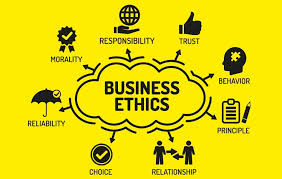
BUSINESS ETHICS IN HOTEL AND TOURISM
Course Overview
This course introduces students to the principles and practices of business ethics within the hotel and tourism industry. It examines ethical issues related to hospitality management, customer service, employee relations, environmental sustainability, cultural respect, and professional conduct in tourism organizations. Students will explore ethical decision-making processes, corporate social responsibility, and legal responsibilities in the hospitality and tourism sector. The course emphasizes the importance of integrity, accountability, and ethical leadership in delivering quality services and maintaining a positive organizational reputation.
Course Objectives
The objectives of this course are to:
- Introduce students to the concepts and importance of business ethics in hotel and tourism industries.
- Develop understanding of ethical behavior and professional conduct in hospitality services.
- Examine ethical challenges faced by hotel and tourism organizations.
- Promote awareness of corporate social responsibility and sustainable tourism practices.
- Equip students with ethical decision-making and problem-solving skills.
- Enhance understanding of customer rights, employee responsibilities, and cultural sensitivity.
- Prepare students to apply ethical standards in hospitality and tourism operations.
Learning Outcomes
At the end of this course, students will be able to:
- Define key concepts related to business ethics in hotel and tourism management.
- Explain the importance of ethical practices in hospitality and tourism industries.
- Identify ethical issues and challenges affecting hotels and tourism businesses.
- Apply ethical decision-making principles in workplace situations.
- Demonstrate professionalism, honesty, and accountability in hospitality services.
- Analyze the role of corporate social responsibility in tourism development.
- Promote sustainable and culturally respectful tourism practices.
- Recommend ethical solutions to business problems in hotel and tourism operations.
- Teacher: Peter Kasaijja

The Food Science and Nutrition course provides foundational knowledge of the science behind food, its components, processing, and its role in human health. It explores the chemical, biological, and physical properties of food, and how these affect food quality, safety, and nutritional value. The course covers macronutrients (carbohydrates, proteins, fats) and micronutrients (vitamins and minerals), their functions in the body, and dietary requirements for different age groups and health conditions. Students learn about food preservation, processing techniques, food additives, and labeling, along with the impact of cooking methods on nutritional content. The course also addresses public health nutrition, malnutrition, diet planning, and current issues such as food security and sustainability. Emphasis is placed on making informed food choices to promote overall wellness and prevent nutrition-related diseases.
Objectives:- Provide a comprehensive understanding of the scientific principles behind food composition, processing, and preservation.
- Explore the role of macronutrients and micronutrients in human growth, development, and health.
- Examine the impact of food choices and dietary habits on overall well-being and disease prevention.
- Introduce students to food safety, quality control, and food labeling standards.
- Raise awareness about global nutrition challenges, including malnutrition, food security, and sustainable eating practices.
- Enable students to critically evaluate nutritional information and dietary guidelines to support informed decision-making.
- Identify and describe the structure, function, and nutritional significance of major food components (carbohydrates, proteins, fats, vitamins, and minerals).
- Explain the physical, chemical, and biological changes that occur during food processing and storage.
- Assess the nutritional needs of individuals at various life stages and develop balanced diet plans accordingly.
- Having successfully completed the module, students should know the different types of food we eat and their importance to our bodies.
- Students should know the diseases that develop as a result of missing certain food and taking others in a large quantity.
- Students should be able to plan and prepare a safe balanced food for different categories of people such as sick, pregnant mothers, lactating mothers, etc. depending on their needs.
Course Code: BLTH 2202
Credits: 10
Academic Year 2024-2025
Lecturer: Dr. Joseph RUTAGANIRA
- Teacher: content creator

EVENTS OPERATIONS AND MANAGEMENT
Course Overview
This course introduces students to the principles and practices of event operations and management within the hospitality and tourism industry. It focuses on the planning, coordination, organization, and execution of different types of events such as conferences, weddings, exhibitions, festivals, corporate meetings, and entertainment events. Students will learn how to manage event logistics, budgeting, marketing, customer service, risk management, and teamwork to ensure successful event delivery. The course combines theoretical knowledge with practical skills required for professional event management.
Course Objectives
The objectives of this course are to:
- Introduce students to the concepts and importance of event operations and management.
- Develop students’ understanding of event planning and coordination processes.
- Equip students with skills for organizing and managing different types of events.
- Explain the role of budgeting, marketing, and logistics in event management.
- Promote understanding of customer service and communication in event operations.
- Develop awareness of safety, risk management, and legal considerations during events.
- Prepare students for careers in event management within hospitality and tourism industries.
Learning Outcomes
At the end of this course, students will be able to:
- Define key concepts related to event operations and management.
- Identify different types of events and their operational requirements.
- Plan and organize events effectively from start to completion.
- Prepare event budgets and manage available resources efficiently.
- Apply marketing and promotional strategies for events.
- Demonstrate teamwork, communication, and customer service skills during event operations.
- Implement safety and risk management procedures during events.
- Evaluate the success and performance of an event using feedback and reporting methods.
- Teacher: Innocent NSENGIYERA

INTRODUCTION
This course provides an in-depth exploration of the relationship between tourism, recreational activities, and environmental management. It aims to equip students with knowledge and skills to promote sustainable tourism while minimizing negative environmental impacts.
Purpose of this module
The purpose of this module is help students acquire knowledge and skills about:
- How to analyze the relationships between practices such as Recreation and Tourism, and the physical environment in which they operate. And also,
- How to identify and resolve problems to protect our resources from the adverse impacts of recreation and tourism.
Module objectives:
The main objective of this module is to equip students with knowledge and skills about tourism recreation and environmental management. While the specific objectives are to:
- Define the concept of tourism recreation and environment from different perspectives.
- Describe relationships between tourism, recreation and the environment
- Discuss effects of recreational activities and developments on the physical environment.
- Explain ecological sustainability, recreation and tourism
- Explain climate and tourism
- Identify tourism recreation in urban area
- Teacher: HABINSHUTI EMMANUEL

The main objective of this module is to equip students with knowledge and skills about tourism recreation and environmental management. While the specific objectives are to:
- Define the concept of tourism recreation and environment from different perspectives.
- Describe relationships between tourism, recreation and the environment
- Discuss effects of recreational activities and developments on the physical environment.
- Explain ecological sustainability, recreation and tourism
- Explain climate and tourism
- Identify tourism recreation in urban area
Learning outcomes:
Upon successful completion of this course, students will be able to:
-
Describe the connections between tourism, recreation, and environmental systems.
-
Identify environmental challenges and impacts associated with tourism and recreational activities.
-
Apply principles of sustainability to tourism planning and natural resource management.
-
Evaluate the effectiveness of environmental management practices in tourism destinations.
-
Develop strategies for minimizing negative environmental impacts of tourism and enhancing ecological sustainability.
-
Interpret policies, laws, and ethical considerations related to environmental management in tourism.
-
Design tourism programs or activities that balance recreational needs with environmental protection.
-
Communicate environmental and sustainability issues effectively to stakeholders in the tourism and recreation sectors.
Academic Year 2024-2025
- Teacher: HABINSHUTI EMMANUEL

The Beverage Management & Cocktail Making course provides students with a comprehensive understanding of the principles and practices involved in managing beverages and crafting cocktails in hospitality settings. The course covers the classification and service of alcoholic and non-alcoholic beverages, bar setup and equipment, inventory control, and responsible beverage service. Students learn mixology techniques, the art of balancing flavors, and the preparation of classic and contemporary cocktails. Emphasis is placed on hygiene, safety, customer service, and cost-effective operations. This course equips learners with both theoretical knowledge and practical skills needed for successful beverage service and bar management in hotels, restaurants, and event venues.
Objectives:
To provide knowledge of various types of beverages and their classifications.
-
To develop practical skills in cocktail preparation and bar service techniques.
-
To introduce essential tools, equipment, and layout of a professional bar.
-
To teach responsible service of alcoholic beverages and relevant legal regulations.
-
To equip students with skills for effective inventory control and cost management in beverage operations.
-
To enhance customer service abilities within beverage and bar environments.
Learning Outcomes:
Identify and classify alcoholic and non-alcoholic beverages.
-
Demonstrate the ability to prepare and serve a variety of cocktails using proper techniques and equipment.
-
Operate and maintain bar tools, glassware, and mixing equipment safely and efficiently.
-
Apply principles of responsible alcohol service and comply with beverage laws and safety standards.
-
Manage bar inventory, monitor stock levels, and minimize waste through effective beverage control methods.
-
Deliver professional customer service in a bar setting, including handling special requests and complaints.
Couse Code: BLTH 2304
Credits: 15
Academic Year: 2024-2025
Lecturer: Jean MBUNGIRA
- Teacher: content creator