Course Information

Course Name: Industrial and Labour Relations
Course Code: HRM2303
Programme: Business Administration(HRM)
Academic Year: 2025–2026
Course Lecturer: Bizimungu
Credits: 15
Level/Semester: Year III – Trimester II
Delivery Mode: Face-to-face lectures, classroom discussions, case studies, role plays, presentations, practical labour relations activities, and Moodle support.

Course Overview

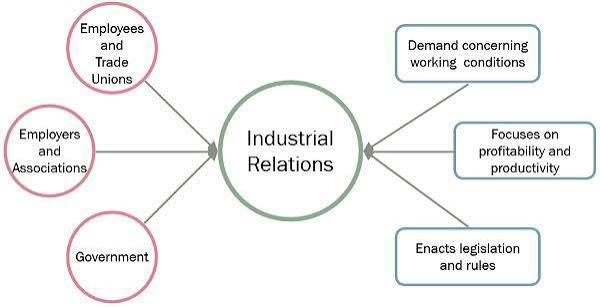
This course introduces students to the principles and practices of industrial and labour relations within organizations. It examines the relationship between employers, employees, trade unions, and government institutions. The course covers labour laws, employee rights and responsibilities, collective bargaining, negotiation processes, workplace conflict management, dispute resolution, and strategies for maintaining positive employment relationships. Students will develop the knowledge and skills needed to promote harmonious workplace environments and effective labour management.

Learning Objectives

Upon completion of this course, students should be able to:

  • Understand the concepts, principles, and importance of industrial and labour relations.
  • Explain the roles of employers, employees, trade unions, and government in labour relations.
  • Analyze labour laws and employment regulations.
  • Understand collective bargaining and negotiation processes.
  • Identify causes of workplace conflicts and industrial disputes.
  • Apply conflict resolution and dispute management techniques.
  • Promote positive employer-employee relationships.

Learning Outcomes

By the end of the course, learners will be able to:

  • Explain the concepts and theories of industrial and labour relations.
  • Analyze the relationship between employers, employees, and trade unions.
  • Apply labour laws and workplace regulations in organizational contexts.
  • Demonstrate negotiation and collective bargaining skills.
  • Identify workplace conflicts and recommend appropriate solutions.
  • Evaluate strategies for improving employee relations.
  • Promote ethical and professional practices in labour management.

Prerequisites

  • Human Resource Management.
  • Organizational Behavior.
  • Management of Change.
  • Basic Computer Literacy.

Learning Resources

  • Lecturer's notes and handouts.
  • Industrial and Labour Relations textbooks.
  • Labour laws and employment regulations.
  • Collective bargaining agreements.
  • Human Resource Management reference books.
  • Academic journals and articles.
  • Moodle Learning Management System.
  • Online educational resources and videos.

Learning Activities

  • Interactive lectures.
  • Group discussions.
  • Labour relations case study analysis.
  • Role plays and negotiation exercises.
  • Individual and group assignments.
  • Student presentations.
  • Conflict resolution simulations.
  • Moodle-based learning activities.

Assessment Methods

  • Individual Assignments
  • Group Projects
  • Case Study Analysis
  • Presentations
  • Quizzes
  • Continuous Assessment Tests (CATs)
  • Midterm Examination
  • Final Examination

Course Duration

15 Weeks

Lecturer Information

Name: Bizimungu
Email: ____________________


Course Information

Course Name: Management Control Systems
Course Code: FIN3101
Programme: Business Administration
Academic Year: 2025–2026
Course Lecturer: Bizimungu
Credits: 15
Level/Semester: Year III – Trimester II
Delivery Mode: Face-to-face lectures, classroom discussions, case studies, presentations, practical management exercises, and Moodle support.

Course Overview

This course introduces students to the concepts, principles, and practices of management control systems used by organizations to achieve their strategic objectives. It examines planning, budgeting, performance measurement, responsibility accounting, internal control systems, reporting mechanisms, and decision-making processes. Students will develop skills in designing and evaluating control systems that improve organizational efficiency, accountability, and performance.

Learning Objectives

Upon completion of this course, students should be able to:

  • Understand the concepts, principles, and importance of management control systems.
  • Explain the relationship between strategic management and organizational control.
  • Analyze budgeting and performance measurement systems.
  • Understand responsibility accounting and management reporting.
  • Evaluate internal control mechanisms within organizations.
  • Apply management control techniques to improve organizational performance.
  • Recognize ethical issues related to management control and decision-making.

Learning Outcomes

By the end of the course, learners will be able to:

  • Explain the role and functions of management control systems.
  • Design and evaluate effective organizational control systems.
  • Apply budgeting and performance measurement techniques.
  • Analyze management reports for decision-making purposes.
  • Assess internal controls and recommend improvements.
  • Evaluate organizational performance using appropriate control tools.
  • Demonstrate knowledge of ethical practices in management control.

Prerequisites

  • Management Accounting.
  • Cost Accounting Management.
  • Principles of Management.
  • Basic Computer Literacy.

Learning Resources

  • Lecturer's notes and handouts.
  • Management Control Systems textbooks.
  • Management Accounting reference materials.
  • Business case studies.
  • Academic journals and professional publications.
  • Moodle Learning Management System.
  • Online educational resources and videos.

Learning Activities

  • Interactive lectures.
  • Group discussions.
  • Case study analysis.
  • Management control system simulations.
  • Individual and group assignments.
  • Student presentations.
  • Practical organizational analysis exercises.
  • Moodle-based learning activities.

Assessment Methods

  • Individual Assignments
  • Group Projects
  • Case Study Analysis
  • Presentations
  • Quizzes
  • Continuous Assessment Tests (CATs)
  • Midterm Examination
  • Final Examination

Course Duration

15 Weeks

Lecturer Information

Name: Bizimungu
Email: ____________________


Course Information

Course Name: Money and Banking
Course Code: FIN2302
Programme: Business Administration
Academic Year: 2025–2026
Course Lecturer: Bizimungu
Credits: 15
Level/Semester: Year III – Trimester I
Delivery Mode: Face-to-face lectures, classroom discussions, case studies, presentations, practical financial analysis, and Moodle support.

Course Overview

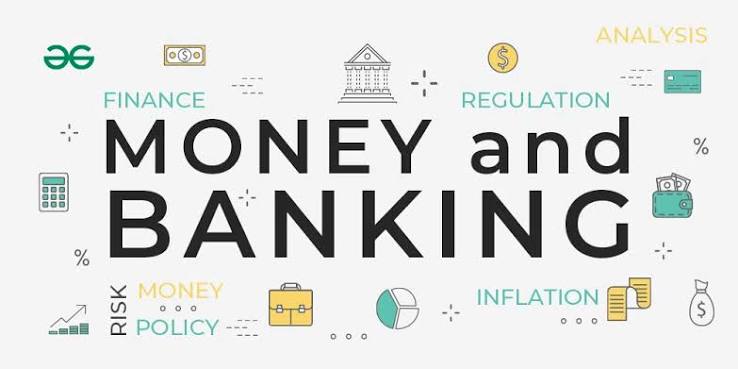
This course introduces students to the principles and practices of money, banking systems, and financial institutions. It examines the role of money in the economy, functions of commercial banks, central banking operations, monetary policy, financial markets, credit creation, and the regulation of financial institutions. The course equips students with knowledge of how banking systems operate and how monetary decisions influence business activities and economic development.

Learning Objectives

Upon completion of this course, students should be able to:

  • Understand the concepts, functions, and importance of money in an economy.
  • Explain the structure and functions of banking systems.
  • Describe the role and responsibilities of central banks.
  • Analyze monetary policy tools and their economic effects.
  • Understand the process of credit creation by financial institutions.
  • Examine financial markets and banking regulations.
  • Evaluate the relationship between money, banking, and economic growth.

Learning Outcomes

By the end of the course, learners will be able to:

  • Explain the principles and functions of money and banking.
  • Describe the roles of commercial banks and central banks.
  • Analyze the process of money supply creation and control.
  • Evaluate the impact of monetary policy on businesses and the economy.
  • Explain banking operations and financial services.
  • Assess challenges facing financial institutions.
  • Apply knowledge of banking systems to financial decision-making.

Prerequisites

  • Principles of Finance.
  • Basic Economics.
  • Financial Accounting (recommended).
  • Basic Computer Literacy.

Learning Resources

  • Lecturer's notes and handouts.
  • Money and Banking textbooks.
  • Central bank publications and financial reports.
  • Financial market case studies.
  • Academic journals and articles.
  • Moodle Learning Management System.
  • Online educational resources and videos.

Learning Activities

  • Interactive lectures.
  • Group discussions.
  • Banking case study analysis.
  • Financial market research activities.
  • Individual and group assignments.
  • Student presentations.
  • Moodle-based learning activities.

Assessment Methods

  • Individual Assignments
  • Group Projects
  • Case Study Analysis
  • Presentations
  • Quizzes
  • Continuous Assessment Tests (CATs)
  • Midterm Examination
  • Final Examination

Course Duration

15 Weeks

Lecturer Information

Name: Bizimungu
Email: ____________________


Course Information

Course Name: Public Finance
Course Code: FIN2301
Programme: Business Administration
Academic Year: 2025–2026
Course Lecturer: Bizimungu
Credits: 15
Level/Semester: Year III – Trimester I
Delivery Mode: Face-to-face lectures, classroom discussions, case studies, practical financial analysis, presentations, and Moodle support.

Course Overview

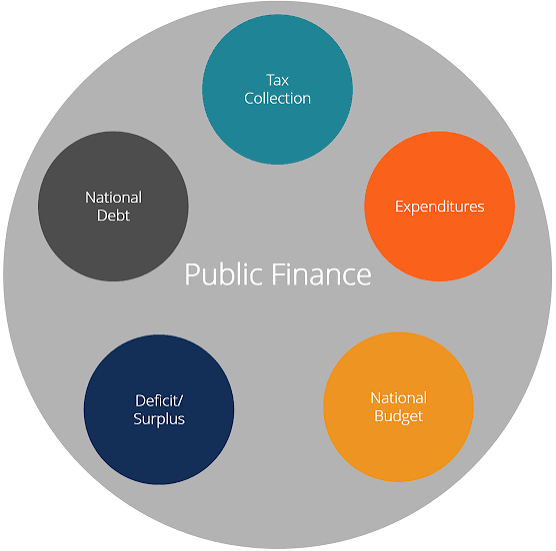
This course introduces students to the principles and practices of public finance and its role in managing government resources and promoting economic development. It examines government revenue generation, taxation, public expenditure, budgeting, public debt management, fiscal policy, and financial accountability. Students will develop an understanding of how governments mobilize and allocate financial resources to achieve economic stability, social welfare, and sustainable development.

Learning Objectives

Upon completion of this course, students should be able to:

  • Understand the concepts, principles, and importance of public finance.
  • Explain the role of government in managing public resources.
  • Analyze sources of public revenue, including taxation.
  • Understand government expenditure and budgeting processes.
  • Evaluate fiscal policies and their impact on economic development.
  • Explain public debt management and government borrowing.
  • Recognize the importance of transparency, accountability, and good governance in public financial management.

Learning Outcomes

By the end of the course, learners will be able to:

  • Explain the principles and functions of public finance.
  • Analyze government revenue sources and taxation systems.
  • Evaluate public expenditure policies and budget allocation processes.
  • Explain the role of fiscal policy in economic management.
  • Assess public debt management strategies and their implications.
  • Analyze challenges related to public financial management.
  • Recommend solutions for improving efficiency and accountability in public finance.

Prerequisites

  • Principles of Finance.
  • Basic Economics.
  • Financial Accounting (recommended).
  • Basic Computer Literacy.

Learning Resources

  • Lecturer's notes and handouts.
  • Public Finance textbooks.
  • Government budget documents and policy reports.
  • Public financial management case studies.
  • Academic journals and articles.
  • Moodle Learning Management System.
  • Online educational resources and videos.

Learning Activities

  • Interactive lectures.
  • Group discussions.
  • Public finance case study analysis.
  • Budget analysis exercises.
  • Individual and group assignments.
  • Student presentations.
  • Moodle-based learning activities.

Assessment Methods

  • Individual Assignments
  • Group Projects
  • Case Study Analysis
  • Presentations
  • Quizzes
  • Continuous Assessment Tests (CATs)
  • Midterm Examination
  • Final Examination

Course Duration

15 Weeks

Lecturer Information

Name: Bizimungu
Email: ____________________


Course Information

Course Name: Computerised Accounting & Applications in Finance
Course Code: CAF2208
Programme: Business Administration
Academic Year: 2025–2026
Course Lecturer: Japhet
Credits: 10
Level/Semester: Year III – Semester I
Delivery Mode: Face-to-face lectures, computer laboratory sessions, practical demonstrations, case studies, presentations, and Moodle support.


Course Overview

This course introduces students to the application of computer technology in accounting and financial management. It focuses on the use of accounting software and digital tools to record, process, analyze, and report financial information. Students will learn computerized accounting systems, financial data management, spreadsheet applications, accounting software packages, computerized transaction processing, financial reporting, and internal controls. The course equips learners with practical skills required to improve accuracy, efficiency, and decision-making in modern accounting and finance environments.


Learning Objectives

Upon completion of this course, students should be able to:

  • Understand the concepts and importance of computerized accounting systems.
  • Explain the role of technology in accounting and financial management.
  • Apply accounting software in recording and processing financial transactions.
  • Use spreadsheet applications for financial analysis and reporting.
  • Manage computerized financial records and databases.
  • Understand internal controls and security measures in accounting systems.
  • Analyze financial information using digital tools.
  • Develop practical skills in computerized accounting applications.

Learning Outcomes

By the end of the course, learners will be able to:

  • Explain the principles and benefits of computerized accounting systems.
  • Demonstrate the use of accounting software for financial transactions.
  • Prepare computerized financial reports and statements.
  • Apply spreadsheet functions in accounting and financial analysis.
  • Manage digital accounting records effectively.
  • Analyze financial data to support business decision-making.
  • Evaluate risks and controls in computerized accounting environments.
  • Apply professional and ethical practices in financial information management.

Prerequisites

  • Basic Computer Literacy.
  • Introduction to Accounting.
  • Basic knowledge of financial accounting principles.
  • Basic English language proficiency.

Learning Resources

  • Lecturer's notes and handouts.
  • Computerised Accounting textbooks.
  • Accounting software applications.
  • Microsoft Excel and financial analysis tools.
  • Financial reports and accounting case studies.
  • Academic journals and professional articles.
  • Multimedia presentations and instructional videos.
  • Moodle Learning Management System.
  • Online educational resources.

Learning Activities

  • Interactive lectures.
  • Computer laboratory practical sessions.
  • Accounting software demonstrations.
  • Financial data analysis exercises.
  • Case study analysis.
  • Individual and group presentations.
  • Practical accounting assignments.
  • Moodle-based learning activities.

Assessment Methods

  • Individual Assignments
  • Practical Computer-Based Exercises
  • Group Projects
  • Quizzes
  • Continuous Assessment Tests (CATs)
  • Midterm Examination
  • Final Examination

Course Duration

15 Weeks


Lecturer Information

Name: Japhet
Email: ____________________