Course Information

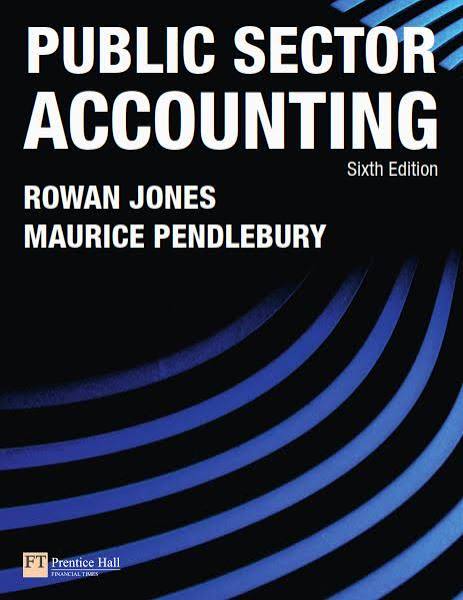
Course Name: Public Sector Accounting
Course Code: ACC3103
Programme: Business Administration
Academic Year: 2025–2026
Course Lecturer: Bizimungu
Credits: 15
Level/Semester: Year III – Trimester I
Delivery Mode: Face-to-face lectures, classroom discussions, case studies, practical accounting exercises, presentations, and Moodle support.

Course Overview

This course introduces students to the principles and practices of accounting in public sector organizations. It focuses on the management, recording, reporting, and control of public financial resources. Students will learn about public sector accounting frameworks, government budgeting, financial reporting, public expenditure management, accountability, auditing, and the role of accounting in promoting transparency and good governance. The course equips learners with the skills required to manage and analyze financial information in government institutions and public organizations.

Learning Objectives

Upon completion of this course, students should be able to:

  • Understand the concepts, principles, and objectives of public sector accounting.
  • Explain the differences between public sector and private sector accounting.
  • Apply public sector accounting standards and reporting practices.
  • Understand government budgeting and financial management processes.
  • Analyze public expenditure control and accountability systems.
  • Explain the role of auditing in public sector financial management.
  • Recognize the importance of transparency, ethics, and good governance in public finance.

Learning Outcomes

By the end of the course, learners will be able to:

  • Explain the principles and functions of public sector accounting.
  • Differentiate between public sector and private sector financial reporting.
  • Prepare and analyze public sector financial statements and reports.
  • Apply government budgeting and expenditure management techniques.
  • Evaluate internal controls and accountability mechanisms in public organizations.
  • Explain the role of public sector auditing in promoting transparency.
  • Demonstrate knowledge of ethical practices in public financial management.

Prerequisites

  • Principles of Financial Accounting.
  • Advanced Financial Accounting (recommended).
  • Basic Computer Literacy.

Learning Resources

  • Lecturer's notes and handouts.
  • Public Sector Accounting textbooks.
  • International Public Sector Accounting Standards (IPSAS).
  • Government financial regulations and policies.
  • Public finance case studies.
  • Academic journals and articles.
  • Moodle Learning Management System.
  • Online educational resources and videos.

Learning Activities

  • Interactive lectures.
  • Group discussions.
  • Public finance case study analysis.
  • Practical accounting exercises.
  • Budget preparation exercises.
  • Individual and group assignments.
  • Student presentations.
  • Moodle-based learning activities.

Assessment Methods

  • Individual Assignments
  • Group Projects
  • Practical Accounting Exercises
  • Presentations
  • Quizzes
  • Continuous Assessment Tests (CATs)
  • Midterm Examination
  • Final Examination

Course Duration

15 Weeks

Lecturer Information

Name: Bizimungu
Email: ____________________

Course Information

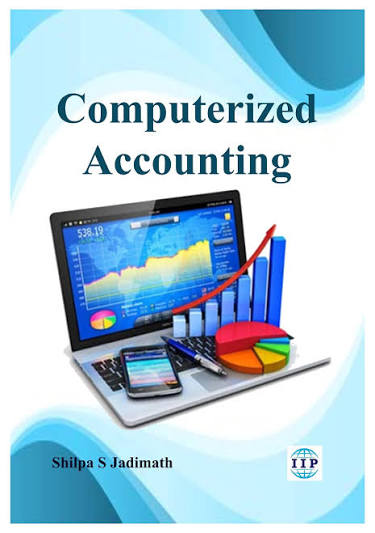
Course Name: Computerized Accounting
Course Code: ACC3101
Programme: Business Administration
Academic Year: 2025–2026
Course Lecturer: Bizimungu
Credits: 15
Level/Semester: Year III – Trimester I
Delivery Mode: Face-to-face lectures, computer laboratory sessions, practical accounting exercises, demonstrations, case studies, presentations, and Moodle support.

Course Overview

This course introduces students to the use of computer-based accounting systems and software applications in managing financial information. It focuses on computerized accounting concepts, accounting software operations, financial data processing, transaction recording, report generation, internal controls, and computerized financial management practices. Students will gain practical skills in using accounting software to record business transactions, prepare financial reports, and support decision-making in modern organizations.

Learning Objectives

Upon completion of this course, students should be able to:

  • Understand the concepts and importance of computerized accounting systems.
  • Explain the role of accounting software in modern business operations.
  • Record and process financial transactions using accounting applications.
  • Prepare computerized financial statements and reports.
  • Manage accounting databases and financial information securely.
  • Apply internal controls in computerized accounting environments.
  • Use accounting technology to improve financial management efficiency.

Learning Outcomes

By the end of the course, learners will be able to:

  • Explain the principles and functions of computerized accounting systems.
  • Operate accounting software to record business transactions.
  • Create and manage company accounts, ledgers, and financial records.
  • Generate computerized reports such as income statements, balance sheets, and cash flow statements.
  • Apply data security and internal control measures in accounting systems.
  • Analyze financial information generated from accounting software.
  • Demonstrate practical skills in using computerized accounting tools for business operations.

Prerequisites

  • Principles of Financial Accounting.
  • Basic Computer Literacy.
  • Management Accounting (recommended).

Learning Resources

  • Lecturer's notes and handouts.
  • Computerized Accounting textbooks.
  • Accounting software user manuals.
  • Financial accounting case studies.
  • Computer laboratory facilities.
  • Moodle Learning Management System.
  • Online tutorials and educational resources.

Learning Activities

  • Interactive lectures.
  • Computer laboratory practical sessions.
  • Accounting software demonstrations.
  • Transaction recording exercises.
  • Case study analysis.
  • Individual and group assignments.
  • Student presentations.
  • Moodle-based learning activities.

Assessment Methods

  • Individual Assignments
  • Computer Practical Exercises
  • Group Projects
  • Presentations
  • Quizzes
  • Continuous Assessment Tests (CATs)
  • Midterm Examination
  • Final Examination

Course Duration

15 Weeks

Lecturer Information

Name: Bizimungu
Email: ____________________


Course Information

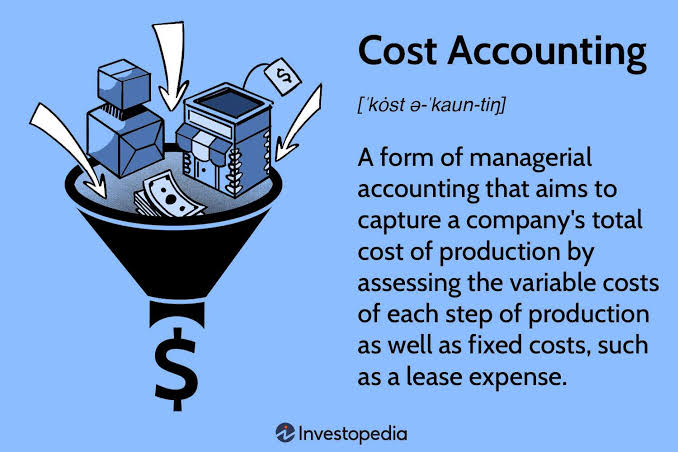
Course Name: Cost Accounting Management
Course Code: ACC2303
Programme: Business Administration
Academic Year: 2025–2026
Course Lecturer: Bizimungu
Credits: 15
Level/Semester: Year III – Trimester II
Delivery Mode: Face-to-face lectures, classroom discussions, tutorials, practical accounting exercises, case studies, computer-based activities, and Moodle support.

Course Overview

This course introduces students to the principles and techniques of cost accounting used for planning, controlling, and improving organizational performance. It focuses on cost classification, cost behavior, cost allocation, costing methods, budgeting, standard costing, variance analysis, and cost control systems. The course equips students with the knowledge and practical skills required to analyze costs, support managerial decision-making, and improve business efficiency.

Learning Objectives

Upon completion of this course, students should be able to:

  • Understand the concepts, principles, and importance of cost accounting management.
  • Identify and classify different types of costs in business organizations.
  • Apply various costing methods for product and service costing.
  • Prepare cost reports for managerial decision-making.
  • Apply budgeting and cost control techniques.
  • Analyze cost variances and recommend corrective actions.
  • Use cost information to improve organizational performance.

Learning Outcomes

By the end of the course, learners will be able to:

  • Explain the role of cost accounting in business planning and decision-making.
  • Classify and analyze direct, indirect, fixed, and variable costs.
  • Apply different costing techniques such as job costing, process costing, and activity-based costing.
  • Prepare cost statements and management reports.
  • Analyze cost variances and evaluate operational performance.
  • Apply cost control techniques to improve efficiency.
  • Make informed managerial decisions using cost accounting information.

Prerequisites

  • Principles of Financial Accounting.
  • Management Accounting (recommended).
  • Basic Mathematics.
  • Basic Computer Literacy.

Learning Resources

  • Lecturer's notes and handouts.
  • Cost Accounting textbooks.
  • Management Accounting reference materials.
  • Accounting case studies.
  • Academic journals and professional accounting publications.
  • Moodle Learning Management System.
  • Microsoft Excel and accounting software resources.

Learning Activities

  • Interactive lectures.
  • Practical cost accounting exercises.
  • Case study analysis.
  • Cost calculation workshops.
  • Group discussions.
  • Individual and group assignments.
  • Student presentations.
  • Moodle-based learning activities.

Assessment Methods

  • Individual Assignments
  • Practical Accounting Exercises
  • Group Projects
  • Presentations
  • Quizzes
  • Continuous Assessment Tests (CATs)
  • Midterm Examination
  • Final Examination

Course Duration

15 Weeks

Lecturer Information

Name: Bizimungu
Email: ____________________


Â