
Course Overview
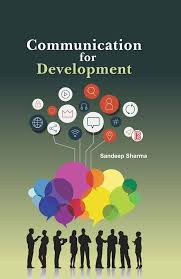
Development Communication is an interdisciplinary course that explores the role of communication in promoting social, economic, political, and cultural development. The course examines how communication strategies, media systems, and participatory approaches can be used to address development challenges such as poverty, health, education, governance, and environmental sustainability. It focuses on both traditional and modern communication tools, including community media, radio, social media, and ICTs, to support behavior change and empower communities. Students will learn how communication can be used as a tool for planning, implementing, and evaluating development programs.
This module explores the critical role of communication in facilitating development initiatives, focusing on theories, paradigms, tools, and approaches. Students will gain knowledge and practical skills to design, implement, and evaluate participatory and sustainable communication strategies. Ethical considerations, cultural sensitivity, and alignment with Sustainable Development Goals (SDGs) will be emphasized throughout the module.
Course Objectives
The course aims to:
- Introduce students to the concepts and theories of development communication.
- Explain the role of communication in social and economic development.
- Explore participatory communication approaches in community development.
- Analyze the use of media in development campaigns and public awareness.
- Examine the relationship between communication, policy, and governance.
- Equip students with skills to design development communication strategies.
- Promote understanding of ICTs in development processes.
Learning Outcomes
By the end of the course, students should be able to:
- Define and explain key concepts in development communication.
- Analyze communication strategies used in development programs.
- Apply participatory communication methods in community settings.
- Design simple communication campaigns for development issues.
- Evaluate the role of media in promoting behavior change.
- Assess the impact of ICTs on development communication.
- Critically discuss communication policies in development contexts.
Course code: BMC 2103
- Teacher: Jean Baptiste HATEGEKIMANA

Course Title: Public Affairs Reporting
Course Overview
Public Affairs Reporting is a specialized journalism course that focuses on reporting issues related to government, public policy, governance, institutions, and community affairs. The course trains students to investigate, interpret, and report on public sector activities such as politics, public administration, development programs, legislation, public finance, and civic issues. It emphasizes accuracy, accountability, transparency, and ethical reporting in covering matters that affect society. Students will learn how to analyze public records, conduct interviews with officials, and present complex policy issues in clear and accessible language for the public.
Course Objectives
The course aims to:
- Introduce students to principles of public affairs and political reporting.
- Develop skills in reporting on government, policy, and institutional activities.
- Train students to analyze public documents and official statements.
- Enhance investigative and interview techniques for public sector reporting.
- Promote ethical and balanced reporting on sensitive public issues.
- Equip students with skills to simplify complex policy information for audiences.
- Strengthen understanding of governance, accountability, and public interest journalism.
Learning Outcomes
By the end of the course, students should be able to:
- Explain the role of media in public affairs and governance.
- Identify and report on key public policy issues and government programs.
- Analyze public records, budgets, and official reports for news stories.
- Conduct interviews with government officials and stakeholders.
- Write clear and accurate public affairs news stories.
- Apply ethical standards in political and institutional reporting.
- Evaluate the impact of public policies on communities.
Course code: BMC 3101
Course credits: 8
- Teacher: Dr Mwangi Haron

This course introduces public affairs reporting to students and aims to instill knowledge. and skills in reporting about the governement focusing on. actions and or decisions that touches on interest and wefaire of its citizens. It therefore aims to impact knowledge on sources of public information, verification, investigation processes and reporting
- Teacher: Dr Mwangi Haron

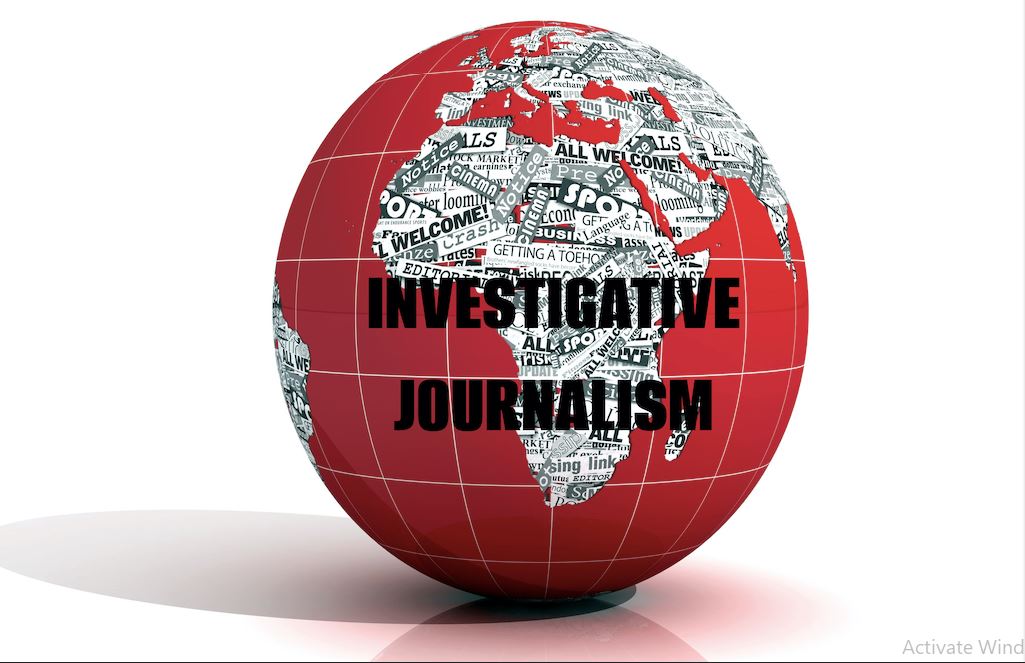
The Investigative and Interpretative Reporting course focuses on advanced journalistic methods used to uncover, analyze, and report stories of significant public interest. Students learn how to conduct in-depth research, verify sources, analyze documents and data, and construct clear, compelling narratives based on complex issues. The course emphasizes accountability journalism—exposing corruption, injustice, abuse of power, and systemic failures—while maintaining ethical and legal standards. It also trains students to go beyond the surface of news events by providing insightful context and interpretation that helps audiences understand the deeper significance of a story.
Objectives:
- To develop strong research, interviewing, and analytical skills.
- To teach methods for uncovering hidden facts and verifying information.
- To enhance the ability to interpret complex topics and explain them clearly.
- To encourage ethical reporting practices and source protection.
- To prepare students for producing investigative and interpretative content for various media platforms.
Learning Outcomes:
- Distinguish between investigative, interpretative, and routine news reporting.
- Identify newsworthy issues that require deeper investigation.
- Conduct systematic and ethical investigative research, including use of public records and data.
- Protect sources and manage sensitive information responsibly.
- Write in-depth reports that explain the causes, consequences, and context of issues.
- Apply legal and ethical considerations in investigative journalism.
- Use digital tools for data journalism, source verification, and visual storytelling.
Course Code: BMAC 2302
Credits: 20
Academic Year 2024-2025
Lecturer: Albert Fils NZAYURUGO
- Teacher: content creator

The Art of Public Speaking is a practical and theory-based course that introduces students to the fundamentals of effective oral communication. It equips learners with the skills, techniques, and confidence needed to prepare and deliver speeches across a variety of contexts, including academic, professional, and public platforms. The course emphasizes speech structure, audience engagement, body language, vocal control, and the use of visual aids. Students will analyze great speeches, practice different speech types, and learn how to overcome stage fright and manage speech anxiety.
Objectives:
- To develop clarity, confidence, and persuasiveness in oral communication.
- To understand the elements of speech composition and delivery.
- To analyze audiences and tailor messages accordingly.
- To apply verbal and non-verbal communication skills effectively.
- To enhance listening skills and provide constructive feedback.
Learning Outcomes:
- Organize and deliver structured speeches for diverse audiences and purposes.
- Use effective body language, gestures, and vocal variety during presentations.
- Analyze rhetorical strategies used in public speaking.
- Overcome speech anxiety and build stage confidence.
- Use visual and digital aids to support communication.
- Evaluate and critique public speeches constructively.
- Adapt speaking styles to formal, informal, persuasive, informative, or ceremonial situations.
Course Code: BMAC 2204
Credits: 15
Academic Year 2024-2025
Lecturer: ONSONGO NYANYUKI
- Teacher: content creator