
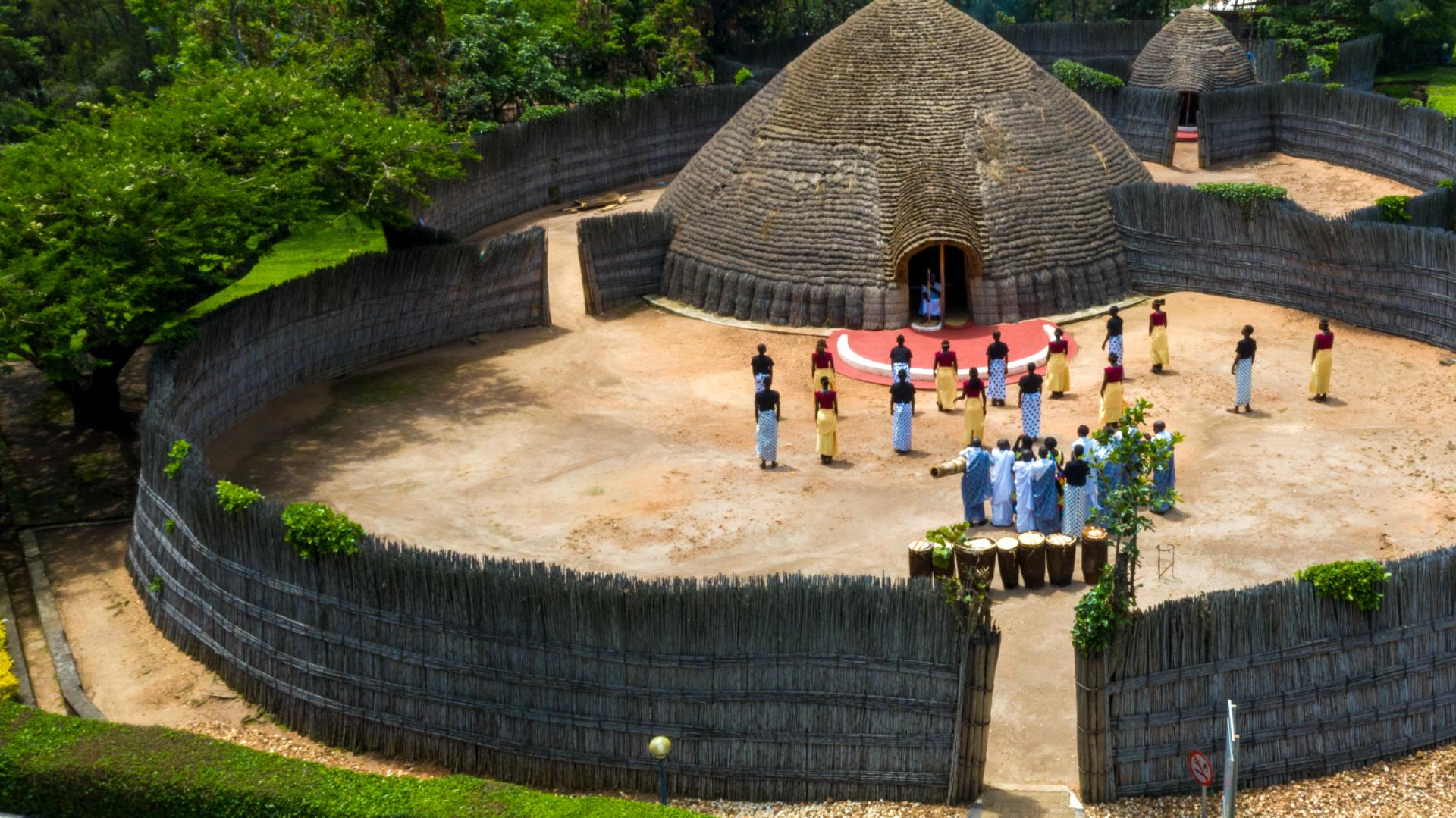
Cultures and Tourism in Rwanda
Course Overview
Cultures and Tourism in Rwanda is an interdisciplinary course that explores the relationship between cultural heritage and tourism development in Rwanda. The course examines Rwanda’s cultural identity, traditional values, arts, heritage sites, festivals, and community practices, and how these elements contribute to sustainable tourism development.
Students will analyze how cultural resources are preserved, promoted, and marketed as tourism products while ensuring respect for authenticity and community participation. The course also emphasizes the role of cultural tourism in national identity building, economic development, and intercultural understanding.
Course Objectives
By the end of this course, students should be able to:
- Define key concepts such as culture, heritage, and cultural tourism.
- Identify major cultural and heritage resources in Rwanda.
- Explain the relationship between culture and tourism development.
- Analyze the role of cultural tourism in economic and social development.
- Evaluate strategies for preserving and promoting cultural heritage.
- Understand the role of communities in cultural tourism initiatives.
- Assess challenges affecting cultural tourism in Rwanda.
- Develop ideas for sustainable cultural tourism products.
Learning Outcomes
Upon completion of this course, students will be able to:
- Describe Rwanda’s cultural heritage and its tourism potential.
- Explain how cultural tourism contributes to national development.
- Identify key cultural tourism attractions and experiences in Rwanda.
- Analyze the impact of tourism on cultural preservation.
- Apply principles of sustainable tourism in cultural settings.
- Propose strategies for improving cultural tourism products.
Course Code: CTR
Course Credits: 8
Lecturer: Egide Mudaheranwa
- Teacher: Edison ISHIMWE

Travel and Tour Operations Management
Course Overview
Travel and Tour Operations Management is a practical course that focuses on the planning, organization, coordination, and management of travel services and tour operations. The course introduces students to the structure and functions of travel agencies, tour companies, transport systems, and destination management organizations. It covers itinerary planning, tour packaging, ticketing, reservation systems, customer service, pricing strategies, and tour execution. Students will also explore both domestic and international tourism operations, with emphasis on efficiency, customer satisfaction, safety, and sustainability in tourism services.
Course Objectives
By the end of this course, students should be able to:
- Understand the structure and functions of travel and tour operations.
- Design and develop travel itineraries and tour packages.
- Apply ticketing, reservation, and booking procedures in tourism operations.
- Manage customer service in travel and tour businesses.
- Understand pricing strategies and cost control in tour operations.
- Coordinate transport, accommodation, and destination services effectively.
- Apply principles of sustainable and responsible tourism.
- Use ICT tools and Global Distribution Systems (GDS) in travel management.
Learning Outcomes
Upon successful completion of this course, students will be able to:
- Explain the roles of travel agencies and tour operators in the tourism industry.
- Develop detailed domestic and international tour itineraries.
- Perform basic reservation and booking procedures for travel services.
- Design tour packages with appropriate pricing and service components.
- Demonstrate customer care and communication skills in tourism services.
- Coordinate travel logistics including transport, accommodation, and activities.
- Apply ethical and sustainable practices in tour operations.
- Present and manage professional travel and tour proposals.
Course credits: 10
Lecturer: Egide Mudaheranwa
- Teacher: Edison ISHIMWE
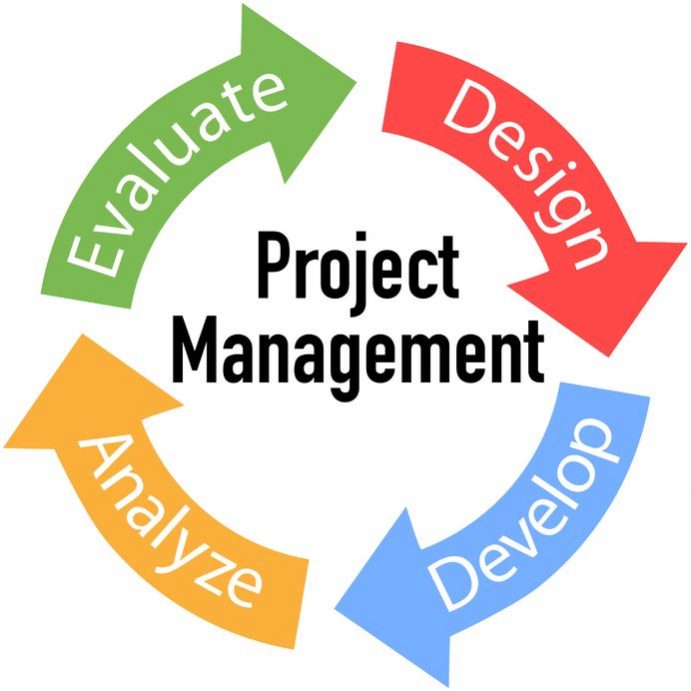
Project Management
Course Overview
Project Management is a practical and professional course that introduces students to the principles, tools, and techniques used to plan, execute, monitor, and close projects successfully. The course focuses on managing resources, time, cost, quality, and risks to achieve specific project objectives within defined constraints. Students will learn the project life cycle, stakeholder management, scheduling techniques, budgeting, risk management, and performance evaluation. Emphasis is placed on both traditional (predictive) and modern (agile) project management approaches applicable across industries such as ICT, business, construction, tourism, and hospitality.
Course Objectives
By the end of this course, students should be able to:
- Understand the fundamental concepts and processes of project management.
- Define project scope, objectives, and deliverables clearly.
- Develop project plans using appropriate tools and techniques.
- Apply scheduling and resource allocation methods.
- Manage project costs, time, quality, and risks effectively.
- Understand stakeholder roles and communication strategies.
- Apply monitoring and evaluation techniques to track project progress.
- Use project management tools and software in planning and execution.
Learning Outcomes
Upon successful completion of this course, students will be able to:
- Explain the key phases of the project life cycle.
- Develop a complete project proposal and implementation plan.
- Create work breakdown structures (WBS) and project schedules.
- Apply Gantt charts, CPM (Critical Path Method), and PERT techniques.
- Identify and manage project risks and constraints.
- Demonstrate effective team leadership and communication in projects.
- Monitor project performance using key performance indicators (KPIs).
- Prepare final project reports and evaluations.
Course Credits: 10
Lecturer: Ncondo Wilber
- Teacher: Edison ISHIMWE