

Food Science and Nutrition
Course Overview
Food Science and Nutrition is an introductory course that explores the principles of food composition, food processing, food safety, and human nutrition. The course examines how nutrients in food support human growth, health, and development, and how food handling, preparation, and preservation affect nutritional value and safety. Students will also study the relationship between diet, health, and disease prevention, with emphasis on balanced diets, nutritional requirements, and dietary planning. The course is designed to equip learners with practical knowledge applicable in hospitality, tourism, healthcare, and food service industries.
Course Objectives
By the end of this course, students should be able to:
- Understand the basic concepts of food science and human nutrition.
- Identify different food groups and their nutritional value.
- Explain the functions of nutrients in the human body.
- Apply principles of balanced diet planning for different population groups.
- Understand food safety, hygiene, and sanitation practices.
- Describe methods of food preservation and processing.
- Analyze the relationship between diet, health, and disease.
- Apply nutritional knowledge in hospitality and food service settings.
Learning Outcomes
Upon successful completion of this course, students will be able to:
- Explain the importance of nutrition in human health and development.
- Identify macro and micronutrients and their functions.
- Design balanced meal plans for individuals and groups.
- Apply food safety and hygiene standards in food handling.
- Evaluate the effects of different food preparation and preservation methods.
- Assess dietary needs for different age groups and lifestyles.
- Recognize common nutrition-related diseases and prevention strategies.
- Demonstrate practical skills in food selection and nutritional analysis.
Course Credits: 10
Lecturer: Dr. Rutaganira Joseph
- Teacher: Edison ISHIMWE
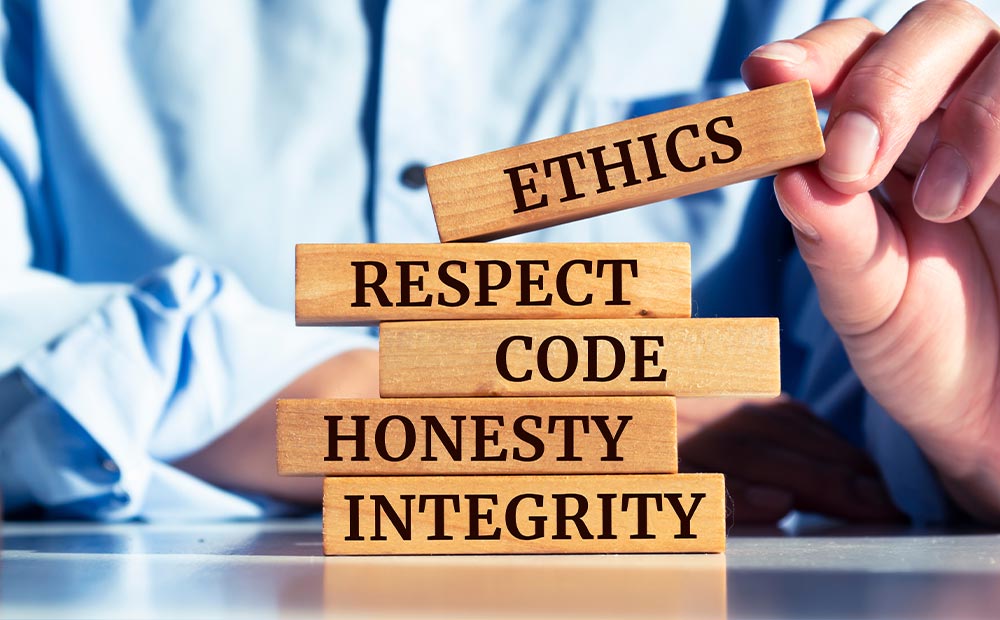
Business Ethics
Course Overview
Business Ethics is an introductory course that examines moral principles, values, and standards guiding behavior in business environments. The course focuses on ethical decision-making in organizations, corporate responsibility, governance, professional conduct, and the relationship between business, society, and the environment. Students will explore real-world ethical dilemmas faced by businesses, including issues such as corruption, fraud, workplace ethics, consumer protection, sustainability, and corporate social responsibility. The course aims to develop responsible professionals who can make fair, transparent, and socially responsible decisions in their careers.
Course Objectives
By the end of this course, students should be able to:
- Understand the fundamental concepts and theories of business ethics.
- Identify ethical issues in business and professional environments.
- Apply ethical decision-making frameworks to real-life business situations.
- Evaluate the role of corporate social responsibility in business operations.
- Analyze the impact of ethical and unethical behavior on organizations and society.
- Understand principles of corporate governance and accountability.
- Develop integrity, professionalism, and responsible leadership skills.
- Promote ethical practices in business and organizational settings.
Learning Outcomes
Upon successful completion of this course, students will be able to:
- Explain key concepts and principles of business ethics.
- Identify and analyze ethical dilemmas in business scenarios.
- Apply ethical theories to decision-making in business contexts.
- Assess the importance of corporate social responsibility and sustainability.
- Evaluate the consequences of unethical business practices.
- Demonstrate ethical reasoning in professional decision-making.
- Propose solutions to ethical challenges in organizations.
- Communicate ethical considerations in written and oral formats.
Course Credits: 10
Lecturer: Dr. Rugazura
- Teacher: Edison ISHIMWE
Basic Statistics for Tourism and Hospitality Industry
Course Overview
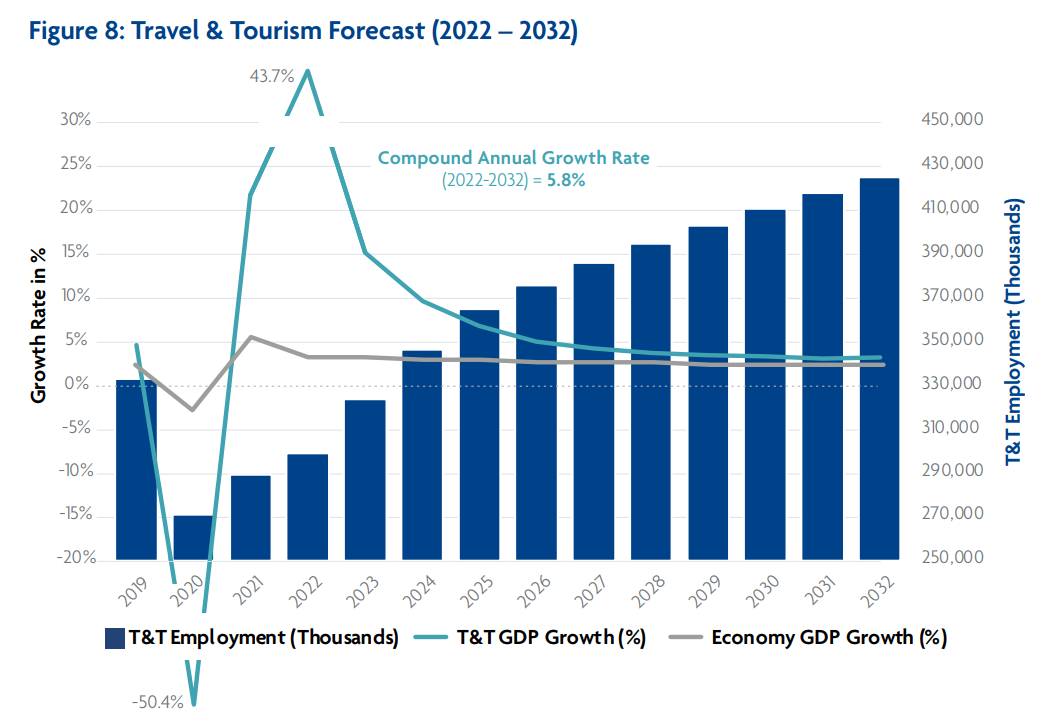
Basic Statistics for Tourism and Hospitality Industry is an introductory course that equips students with the fundamental statistical concepts and analytical skills needed to collect, organize, analyze, interpret, and present data in tourism and hospitality settings. The course focuses on the practical application of statistics in decision-making, market research, customer satisfaction analysis, tourism demand forecasting, hotel performance evaluation, and business planning. Students will learn how to use statistical tools to support evidence-based management and improve operational efficiency within the tourism and hospitality industry.
Course Objectives
By the end of this course, students should be able to:
- Understand the basic concepts and importance of statistics in tourism and hospitality management.
- Collect, organize, and classify tourism and hospitality data.
- Apply descriptive statistical techniques to summarize data.
- Calculate and interpret measures of central tendency and dispersion.
- Present data using tables, charts, and graphs.
- Conduct basic statistical analysis for tourism and hospitality decision-making.
- Interpret statistical findings and communicate results effectively.
- Use statistical software or spreadsheet applications for data analysis.
Learning Outcomes
Upon successful completion of this course, students will be able to:
- Explain the role of statistics in tourism and hospitality management.
- Collect and organize data from tourism and hospitality operations.
- Compute and interpret statistical measures such as mean, median, mode, range, variance, and standard deviation.
- Construct and interpret frequency distributions, tables, and graphical presentations.
- Analyze tourism and hospitality data to identify trends and patterns.
- Apply statistical techniques to support business decisions and market analysis.
- Use spreadsheet software to perform basic statistical calculations.
- Present statistical findings in professional reports and presentations.
Course Credits: 8
Lecturer: Gasangwa Eugene
- Teacher: Edison ISHIMWE