
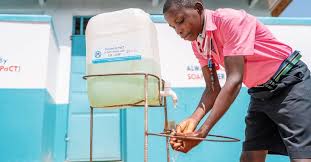
This module provides learners with essential knowledge and skills in maintaining high standards of sanitation and hygiene in food preparation and service. It covers fundamental principles of cleanliness, personal hygiene, food safety, and proper sanitation practices to prevent contamination and ensure a healthy environment.
Learners will explore topics such as safe food handling, waste management, pest control, and proper cleaning and disinfecting techniques for kitchen equipment and workspaces. Emphasis will be placed on following industry regulations and best practices to promote health and safety in culinary and food service settings.
Objectives
Explain the importance of food safety
State food safety terminology
Recognize the management’s role
Recall the legal requirements
Explain personal hygiene
Learning Outcomes:
Explain the significance of sanitation and hygiene in food safety and public health.
Identify common sources of food contamination and foodborne illnesses.
Demonstrate proper personal hygiene practices required in food handling and service.
Apply effective cleaning and sanitizing procedures for kitchen tools, equipment, and workspaces.
Implement safe food handling, storage, and waste disposal techniques to minimize health risks.
Develop pest control measures to maintain a clean and safe food preparation environment.
Follow industry regulations and best practices for sanitation and hygiene compliance.
Promote a culture of cleanliness and food safety within food service operations.
Class Activities:
Forum
Image Checkin
Class Chat
Given Individual Assignment
Assessment Methods:
Continuous Assement Test
Mid Term Exam
Final Exam
Course code: BLTH 1105
Course credit: 10
Pre-requisites: None
Academic year: 2024-2025
- Teacher: Yves mumararungu

This module provides a comprehensive understanding of food and beverage service operations in the hospitality industry. It covers essential concepts, service techniques, and management practices required to deliver exceptional customer experiences. Students will learn about different service styles, restaurant operations, menu planning, food safety, and customer service standards. The module also focuses on the roles and responsibilities of service staff, handling guest requests, and managing service quality.
By the end of this module, learners will have the skills to work efficiently in food and beverage establishments such as hotels, restaurants, catering services, and banquet operations. Practical sessions and case studies will enhance their ability to apply theoretical knowledge in real-world service settings.
Objectives:
- Understand the basics of food and beverage service and its significance in the hospitality industry.
- Identify and differentiate various service styles, such as à la carte, buffet, silver service, and self-service.
- Demonstrate professional food and beverage service techniques, including order taking, tray handling, and serving etiquette.
- Apply food safety, hygiene, and sanitation standards in compliance with industry regulations.
- Recognize and perform the roles and responsibilities of food and beverage service personnel.
- Develop customer service skills to ensure guest satisfaction and effective communication.
- Manage restaurant operations efficiently, including table setting, menu knowledge, and payment processing.
- Gain knowledge of beverages, including alcoholic and non-alcoholic drinks, pairing, and responsible service.
- Handle customer complaints and service challenges in a professional and solution-oriented manner.
- Work effectively as part of a team in a food and beverage service environment, ensuring smooth workflow and high-quality service delivery.
This module equips learners with the essential skills to succeed in the food and beverage service industry, preparing them for careers in restaurants, hotels, catering, and event management.
Learning Outcomes:
- Explain the principles and importance of food and beverage service in the hospitality industry.
- Identify and differentiate various food and beverage service styles, such as table service, buffet, banquet, and self-service.
- Demonstrate proper service techniques, including order taking, serving, clearing, and handling special requests.
- Apply food safety, hygiene, and sanitation practices in accordance with industry standards and regulations.
- Understand the roles and responsibilities of food and beverage service personnel and their contribution to efficient operations.
- Provide excellent customer service, including effective communication and guest interaction skills.
- Set up and manage a dining area, including table arrangements, seating plans, and service flow.
- Describe various types of beverages, including alcoholic and non-alcoholic drinks, and understand proper serving methods.
- Handle guest complaints and service challenges professionally to maintain customer satisfaction.
- Work collaboratively in a team environment to ensure smooth food and beverage operations.
These learning outcomes prepare students for professional roles in restaurants, hotels, catering, and event management, equipping them with the necessary skills and knowledge to succeed in the food and beverage service industry.
Class Activities:
- Forum
- Image Checkin
- Class Chat
- Given Individual Assignment
Assessment Methods:
- Continuous Assement Test
- Mid Term Exam
- Final Exam
Course code: BLTH 1103
Course credit: 10
Pre-requisites: None
Academic year: 2024-2025
Lecturer: Ms. Immaculate
- Teacher: Yves mumararungu

This course introduces students to the essential functions and responsibilities of the front office department in hospitality establishments such as hotels. It focuses on guest interaction, reservations, reception services, and overall customer experience. Learners will develop the skills needed to provide professional and efficient service while creating a positive first impression for guests.
Objectives
- Understand the structure and functions of the front office department
- Perform reservation, check-in, and check-out procedures
- Develop strong communication and customer service skills
- Handle guest inquiries, requests, and complaints professionally
- Use basic front office systems and tools
Learning outcomes:
- Demonstrate front office operations in a hotel setting
- Manage guest arrivals and departures efficiently
- Provide high-quality customer service and guest relations
- Communicate effectively with guests and staff
- Handle common front office challenges and situations confidently
Class Activities:
- Forum
- Image Checkin
- Class Chat
- Given Individual Assignment
Assessment Methods:
- Continuous Assement Test
- Mid Term Exam
- Final Exam
Academic Year 2025-2026
Course Code: BLTH 1104
Credits: 15
Period: 4 Months
Pre-requisite: None
Level: 6
Lecturer: Josephine GATSINZI
- Teacher: Josephine GATSINZI
- Teacher: Yves mumararungu
For students to be able to acquire knowledge about leisure and recreational facilities, they will be introduced to knowledge that helps them to appreciate various provision and the types of leisure facilities in hotels and their importance, typical work activities, works conditions of a leisure center Manager, reasons for the establishment and development of Hotel leisure activities.
Objectives
- Understand the concepts of leisure and recreation
- Identify different types of recreation facilities
- Explain the role of leisure in health and community development
- Recognize basic principles of facility planning and management
- Appreciate the importance of safety and accessibility in recreation spaces
Learning Outcomes
Knowledge and Understanding and having successfully completed the module, students should be able to demonstrate knowledge of:
- LO1:Tthe various provision and the types of leisure facilities in hotels and their importance
- LO2: Various recreational activities and the policy issue on recreation. Having successfully completed the module
- LO3: Put in place physical activity provision and the sports facility check lists.
- LO4: Establish various recreational activities in relation to the policy issue on recreation.
Class Activities:
- Forum
- Image Checkin
- Class Chat
- Given Individual Assignment
Assessment Methods:
- Continuous Assement Test
- Mid Term Exam
- Final Exam
Academic Year 2025-2026
Course Code: LTHM
Credits: 15
Period: 4 Months
Pre-requisite: None
Level: 6
Lecturer: Dominique NZABANDORA
- Teacher: Dominique NZABANDORA
- Teacher: Yves mumararungu
Description
This module introduces students to the fundamental concepts, theories, and practices that define leisure, recreation, and the management of recreational facilities. It examines leisure from historical, cultural, social, psychological, and philosophical perspectives, enabling students to understand its importance in human development and community well-being. The module covers key leisure theories, the evolution of leisure throughout history, factors that influence leisure participation, and the structure of leisure and recreation service organizations. Learners engage with both conceptual and practical components, including planning for leisure provision, sustainable facility management, and the role of leisure in modern society. By the end of the course, students will be equipped with the knowledge and competencies needed to manage recreation services, provide meaningful leisure experiences, and contribute to the sustainable development of recreation facilities.
Objectives
- Explain key leisure and recreation concepts from multiple theoretical and philosophical perspectives.
- Analyze the historical development of leisure and how it has shaped modern leisure and recreation practices.
- Describe and evaluate major leisure and recreation theories, including those of Plato, Aristotle, and contemporary thinkers.
- Identify and assess the factors that influence participation in leisure and recreational activities across populations.
- Examine the structure, roles, and functions of various leisure and recreation service organizations in public, private, and non-profit sectors.
- Apply principles of leisure and recreation planning, including strategic, tactical, and operational planning approaches.
- Demonstrate understanding of the management of recreation facilities, parks, and leisure services for sustainable community development.
- Analyze the relationship between leisure, health, wellness, and overall quality of life.
Learning Outcomes
Upon successful completion of the module, students will be able to:
- Define concepts of leisure, recreation, and related theories using appropriate academic and professional terminology.
- Compare and contrast different leisure philosophies and evaluate their relevance to contemporary leisure practices.
- Identify historical patterns and societal shifts that have influenced leisure activities from ancient to modern times.
- Assess personal, social, cultural, economic, and environmental factors affecting leisure participation in various demographic groups.
- Demonstrate the ability to classify and evaluate different recreation and leisure service organizations and their contribution to community well-being.
- Apply planning frameworks to design or evaluate leisure and recreation programs, facilities, or services.
- Analyze case studies and propose solutions related to the sustainable management of parks, recreation centers, and leisure facilities.
- Demonstrate critical thinking skills by examining trends in technology, population, culture, and lifestyle that shape leisure demands.
- Communicate professionally in written and oral formats about leisure theories, recreation service management, and planning practices.
Class Activities:
- Forum
- Image Checkin
- Class Chat
- Given Individual Assignment
Assessment Methods:
- Continuous Assement Test
- Mid Term Exam
- Final Exam
Academic Year 2025-2026
Course Code:LTHM
Credits: 15
Period: 4 Months
Pre-requisite: None
Level: 6
Lecturer: Innocent CYIZA
- Teacher: Yves mumararungu