

Course Information
Course Name: Teaching and School Practice
Course Code: EDT5201
Programme: Bachelor of Education with Honours in Mathematics and Computer
Academic Year: 2024–2025
Course Lecturer:
Credits: 30
Level/Semester: Year III, Trimestre II
Delivery Mode: School-based teaching practice, classroom observations, supervised teaching, mentoring sessions, reflective journals, and Moodle support.
Welcome Message
Welcome to Teaching and School Practice.
This course provides students with the opportunity to apply the knowledge, skills, and professional values acquired throughout their teacher education programme in real classroom settings. Under the guidance of supervisors and mentor teachers, students gain practical teaching experience while developing confidence and professional competence.
Course Overview
The Teaching and School Practice course is a supervised field experience that enables student teachers to participate fully in school activities. Students engage in lesson planning, classroom teaching, learner assessment, classroom management, co-curricular activities, record keeping, and professional collaboration.
The course emphasizes reflective teaching, ethical conduct, effective communication, learner-centered methodologies, classroom management, and the integration of educational technology into teaching practice.
Students receive continuous guidance, supervision, and constructive feedback from university supervisors and cooperating teachers to improve their instructional practices.
Learning Objectives
By the end of the course, students should be able to:
- Apply educational theories in classroom practice.
- Prepare comprehensive lesson plans and teaching materials.
- Demonstrate effective teaching methodologies.
- Manage classroom activities professionally.
- Assess learners using appropriate evaluation methods.
- Integrate ICT into teaching and learning.
- Reflect on teaching performance for continuous improvement.
- Demonstrate professional ethics and responsibility.
Learning Outcomes
Upon successful completion of this course, students will be able to:
- Plan and deliver effective classroom lessons.
- Apply learner-centered teaching strategies.
- Manage classrooms efficiently.
- Assess and evaluate learners appropriately.
- Demonstrate professional conduct and ethical practice.
- Integrate educational technology into classroom instruction.
- Collaborate effectively with school staff and learners.
- Reflect critically on teaching experiences to improve professional practice.
Learning Resources
- Teaching Practice Handbook
- National Curriculum Framework
- Subject syllabi and teacher guides
- Lesson plan templates
- School teaching resources
- Educational Technology tools
- Moodle learning materials
- Mentor and supervisor feedback
- Professional teaching standards
- Reflective teaching journals
Learning Activities
- Classroom observation
- Lesson planning
- Supervised classroom teaching
- Learner assessment
- School administration activities
- Co-curricular participation
- Teaching reflections
- Mentor consultations
- University supervision visits
- Moodle-based reporting and discussions
Assessment Methods
- Teaching Portfolio and Lesson Plans: 20 Marks
- Continuous School-Based Assessment: 20 Marks
- Teaching Practice Supervision: 30 Marks
- Final Teaching Practice Evaluation: 30 Marks
Course Duration
15 Weeks
- Teacher: Edison ISHIMWE
Course Information
Course Name: Educational Technology and Microteaching
Course Code: EDE5201
Programme: Bachelor of Education with Honours in Mathematics and Computer
Academic Year: 2024–2025
Course Lecturer:
Credits: 10
Level/Semester: Year III, Trimestre II
Delivery Mode: Face-to-face lectures, practical demonstrations, computer laboratory sessions, microteaching activities, workshops, and Moodle support.
Welcome Message
Welcome to Educational Technology and Microteaching.
This course equips future teachers with the knowledge and practical skills required to integrate educational technologies into teaching and learning. It also provides opportunities to practice instructional skills through microteaching sessions, enabling students to improve lesson delivery, classroom communication, and professional competence before entering real classroom environments.
Course Overview
The Educational Technology and Microteaching course explores the use of modern educational technologies to enhance teaching, learning, and assessment. It covers instructional media, digital learning resources, Learning Management Systems (LMS), multimedia tools, online learning platforms, lesson planning, classroom communication, and technology-enhanced teaching strategies.
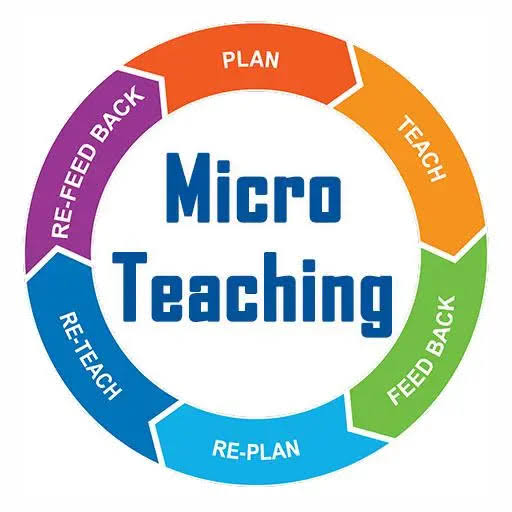
The microteaching component provides students with practical teaching experiences where they prepare, present, observe, evaluate, and improve short lessons through peer and instructor feedback. Students develop confidence, teaching effectiveness, and reflective practice essential for professional educators.
Learning Objectives
By the end of the course, students should be able to:
- Understand the role of educational technology in modern teaching.
- Integrate ICT tools into classroom instruction.
- Design technology-enhanced lesson plans.
- Develop and use instructional materials effectively.
- Demonstrate effective classroom communication skills.
- Plan and deliver effective microteaching lessons.
- Evaluate teaching performance using reflective practice.
- Apply learner-centered teaching approaches.
Learning Outcomes
Upon successful completion of this course, students will be able to:
- Explain the importance of educational technology in teaching and learning.
- Select appropriate digital tools for classroom instruction.
- Design engaging technology-supported lessons.
- Deliver effective microteaching sessions.
- Evaluate and improve teaching performance through feedback.
- Demonstrate confidence in lesson presentation and classroom management.
- Integrate educational technologies into professional teaching practice.
Learning Resources
- Lecturer's notes and presentations
- Educational Technology textbooks
- Moodle Learning Management System
- Computers and multimedia projectors
- Interactive teaching software
- Online educational platforms
- Educational videos and digital resources
- Academic journals in educational technology
- Teaching aids and instructional materials
- Internet resources
Learning Activities
- Interactive lectures
- Computer laboratory practical sessions
- Microteaching presentations
- Lesson planning workshops
- Peer teaching and evaluation
- Group discussions
- Educational technology demonstrations
- Individual and group assignments
- Reflective teaching exercises
- Moodle-based learning activities
Assessment Methods
- Assignment: 10 Marks
- Continuous Assessment Test (CAT): 10 Marks
- Mid-Term Examination: 40 Marks
- Final Examination: 40 Marks
Course Duration
15 Weeks
- Teacher: Edison ISHIMWE