
Course Information
Course Name: Internet Programming
Course Code: CSE5102
Programme: Bachelor of Education with Honours in Mathematics and Physics
Academic Year: 2024–2025
Course Lecturer:
Credits: 10
Level/Semester: Year III, Trimestre I
Delivery Mode: Face-to-face lectures, web development laboratory sessions, practical programming exercises, assignments, and Moodle support.
Welcome Message
Welcome to Internet Programming.
This course equips students with the skills required to design, develop, and deploy dynamic and interactive web applications using modern web technologies.
Course Overview
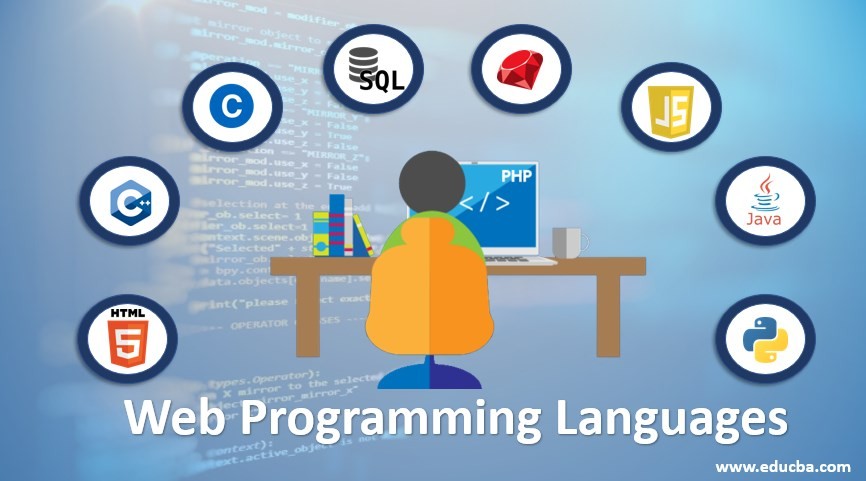
The course covers HTML5, CSS3, JavaScript, responsive web design, server-side programming, databases, PHP or equivalent web technologies, web security, APIs, and web application deployment.
Students develop complete web applications through practical programming projects.
Learning Objectives
Students should be able to:
- Design responsive websites.
- Develop dynamic web applications.
- Connect web applications to databases.
- Apply web security principles.
- Deploy web-based applications.
Learning Outcomes
Students will be able to:
- Build responsive web interfaces.
- Develop database-driven web applications.
- Apply client-side and server-side programming.
- Secure web applications.
- Deploy functional websites.
Assessment Methods
- Assignment: 10 Marks
- Continuous Assessment Test (CAT): 10 Marks
- Mid-Term Examination: 40 Marks
- Final Examination: 40 Marks
Course Duration
15 Weeks
- Teacher: Edison ISHIMWE

Course Information
Course Name: Database and Software Engineering
Course Code: CSE5101
Programme: Bachelor of Education with Honours in Mathematics and Physics
Academic Year: 2024–2025
Course Lecturer:
Credits: 10
Level/Semester: Year III, Trimestre I
Delivery Mode: Face-to-face lectures, computer laboratory practical sessions, software development projects, tutorials, and Moodle support.
Welcome Message
Welcome to Database and Software Engineering.
This course introduces students to database management systems and software engineering principles used to design, develop, test, and maintain high-quality software applications.
Course Overview
Topics include database design, Entity-Relationship (ER) modeling, normalization, SQL, transaction management, software development life cycle (SDLC), requirements analysis, system design, UML, software testing, maintenance, and project management.
Students complete practical projects involving database implementation and software development.
Learning Objectives
Students should be able to:
- Design relational databases.
- Write SQL queries.
- Apply software engineering principles.
- Develop software using SDLC.
- Test and maintain software systems.
Learning Outcomes
Students will be able to:
- Design normalized databases.
- Develop database-driven applications.
- Apply software engineering methodologies.
- Produce software documentation.
- Develop reliable software solutions.
Assessment Methods
- Assignment: 10 Marks
- Continuous Assessment Test (CAT): 10 Marks
- Mid-Term Examination: 40 Marks
- Final Examination: 40 Marks
Course Duration
15 Weeks
- Teacher: Edison ISHIMWE
Course Information
Course Name: Stochastic Processes
Course Code: MAT5101
Programme: Bachelor of Education with Honours in Mathematics and Physics
Academic Year: 2024–2025
Course Lecturer:
Credits: 10
Level/Semester: Year III, Trimestre I
Delivery Mode: Face-to-face lectures, tutorials, statistical computing sessions, problem-solving exercises, assignments, and Moodle support.
Welcome Message
Welcome to Stochastic Processes.
This course introduces mathematical models used to describe systems that evolve randomly over time. Students will learn how stochastic processes are applied in science, engineering, finance, and computer science.
Course Overview
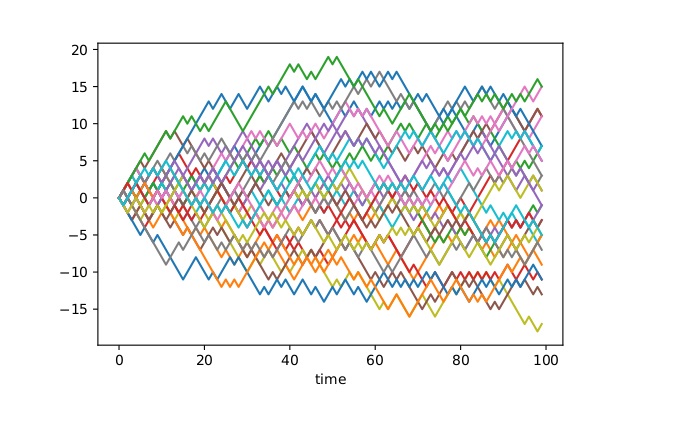
The course covers probability review, random variables, Markov chains, Poisson processes, birth-death processes, random walks, renewal processes, Brownian motion, and applications of stochastic modeling in real-world systems.
Learning Objectives
Students should be able to:
- Understand stochastic process concepts.
- Analyze discrete and continuous stochastic models.
- Apply Markov chains and Poisson processes.
- Model random phenomena mathematically.
- Solve stochastic problems using probability theory.
Learning Outcomes
Students will be able to:
- Explain stochastic process principles.
- Construct mathematical models of random systems.
- Analyze Markov and Poisson processes.
- Solve applied stochastic problems.
- Apply stochastic methods in scientific research.
Assessment Methods
- Assignment: 10 Marks
- Continuous Assessment Test (CAT): 10 Marks
- Mid-Term Examination: 40 Marks
- Final Examination: 40 Marks
Course Duration
15 Weeks
- Teacher: Edison ISHIMWE

Course Information
Course Name: Data Communication and Computer Networks
Course Code: CSE3101
Programme: Bachelor of Education with Honours in Mathematics and Computer
Academic Year: 2024–2025
Course Lecturer: Dr. Joseph RUTAGANIRA
Credits: 15
Level/Semester: Year III, Trimestre I
Delivery Mode: Face-to-face lectures, networking laboratory practical sessions, simulations, tutorials, assignments, and Moodle support.
Welcome Message
Welcome to Data Communication and Computer Networks.
This course introduces students to the principles and technologies that enable computers and devices to communicate and share information across networks. It provides a strong foundation in network architecture, communication protocols, network configuration, and network management.
Throughout the course, students will develop both theoretical understanding and practical networking skills through laboratory exercises, simulations, and real-world networking scenarios.
Course Overview
The Data Communication and Computer Networks course examines the fundamental concepts of data communication and computer networking. Topics include communication models, transmission media, network topologies, switching techniques, the OSI and TCP/IP reference models, IP addressing, subnetting, routing, switching, wireless networking, network services, network security, and troubleshooting.
Students will gain hands-on experience configuring and managing Local Area Networks (LANs), understanding Wide Area Networks (WANs), implementing basic routing and switching, and using network simulation tools such as Cisco Packet Tracer.
The course also introduces modern networking concepts including virtualization, cloud networking, Internet services, and emerging communication technologies. Practical laboratory activities reinforce theoretical concepts through network design, configuration, testing, and troubleshooting.
By the end of the course, students will have acquired the knowledge and practical skills required to design, implement, manage, and troubleshoot computer networks in educational and professional environments.
Learning Objectives
By the end of the course, students should be able to:
- Understand the principles of data communication and networking.
- Explain the functions of the OSI and TCP/IP models.
- Identify networking devices, transmission media, and topologies.
- Configure IPv4 addressing and subnetting.
- Understand routing and switching technologies.
- Design and configure basic LAN and WAN networks.
- Analyze network protocols and communication services.
- Apply wireless networking concepts.
- Implement basic network security measures.
- Troubleshoot common network connectivity problems.
Learning Outcomes
Upon successful completion of this course, students will be able to:
- Explain how computer networks transmit data.
- Differentiate between the OSI and TCP/IP networking models.
- Configure IP addressing schemes and subnetworks.
- Configure and manage routers and switches.
- Implement small-scale computer networks.
- Analyze network traffic and communication protocols.
- Diagnose and resolve common networking issues.
- Apply fundamental network security practices.
- Use networking simulation and diagnostic tools effectively.
- Demonstrate practical networking skills suitable for educational and professional settings.
Learning Resources
- Lecturer's notes and presentations
- Data Communication and Networking textbooks
- Computer networking laboratory
- Routers, switches, and wireless access points
- Cisco Packet Tracer or equivalent network simulation software
- Network troubleshooting tools
- IEEE and IETF networking standards
- Academic journals on networking and communications
- Online networking resources and digital libraries
- Moodle learning materials
Learning Activities
- Interactive lectures
- Networking laboratory practical sessions
- Packet Tracer simulation exercises
- Router and switch configuration labs
- Network design projects
- Group discussions
- Case study analysis
- Individual and group assignments
- Student presentations
- Moodle-based learning activities
Assessment Methods
- Assignment: 10 Marks
- Continuous Assessment Test (CAT): 10 Marks
- Mid-Term Examination: 40 Marks
- Final Examination: 40 Marks
Course Duration
15 Weeks
- Teacher: content creator